

Key Takeaway
Porcelain veneers are not fragile when properly planned and bonded. Their strength depends on enamel preservation, material quality, bite alignment and long-term care rather than porcelain itself. With expert placement, porcelain veneers can function comfortably for many years without chipping or cracking.
Porcelain veneers are widely regarded as one of the most durable and natural-looking cosmetic dental treatments available. However, many patients considering porcelain veneers understandably worry about fragility — whether veneers can chip easily, crack under pressure or fail during everyday use. This concern often comes from confusing porcelain veneers with older cosmetic materials or removable dental restorations.
In reality, modern high-quality porcelain veneers are engineered to withstand normal biting forces and daily function when designed, bonded, and maintained correctly. This article explores the true strength of porcelain veneers, what makes them durable and the real-world factors that influence how robust they are once placed.
Understanding The Material Strength Of Porcelain Veneers
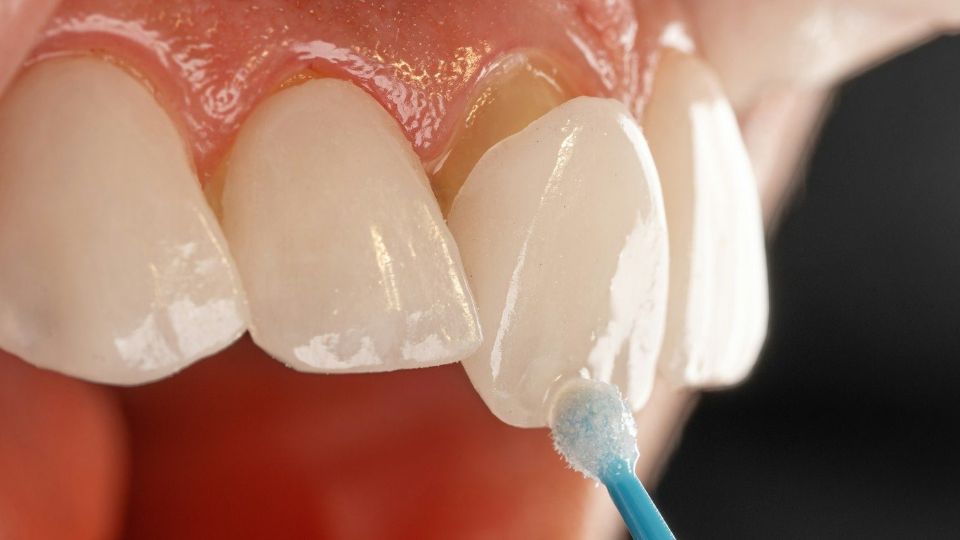
Porcelain veneers are crafted from advanced dental ceramics designed to mimic the translucency, strength, and wear resistance of natural tooth enamel. Unlike household porcelain, dental porcelain is manufactured under controlled conditions to achieve high compressive strength and fracture resistance.
Modern porcelain veneers are typically made using layered feldspathic porcelain or high-strength ceramic systems. These materials are specifically chosen for their ability to resist pressure once bonded to enamel.
Key characteristics of porcelain veneer materials include:
- High compressive strength once bonded to tooth structure
- Resistance to surface wear and staining
- Ability to spread the bite force evenly across the surface of the tooth
- Structural reinforcement when bonded to healthy enamel
Porcelain veneers are not designed to flex, but when bonded correctly, they become part of the tooth structure itself. This integration significantly reduces the risk of fracture during everyday use.
💡 Porcelain veneers gain their strength from bonding to enamel — preserving natural enamel is more important than veneer thickness.
Why Porcelain Veneers Are Often Mistaken As Fragile
The perception that porcelain veneers are fragile often comes from outdated experiences, misinformation online, or confusion with temporary veneers. Early cosmetic veneers decades ago were thinner, bonded with weaker materials, and sometimes placed without proper bite analysis.
Common reasons for this misconception include:
- Association with fragile household porcelain
- Stories of poorly placed veneers chipping
- Confusion with composite bonding or temporary veneers
- Inadequate explanation of modern ceramic technology
When porcelain veneers fail prematurely, the cause is rarely the porcelain itself. Instead, issues usually stem from poor bite alignment, insufficient enamel bonding or habits like teeth grinding that were not addressed beforehand.
💡 Most veneer failures relate to planning and bite forces — not the inherent strength of porcelain veneers.
The Role Of Enamel In Porcelain Veneer Durability
Enamel plays a crucial role in determining how strong porcelain veneers will be once fitted. Dental research consistently shows that veneers bonded primarily to enamel perform significantly better long-term than those bonded to dentine.
Enamel provides:
- A stronger bonding surface for porcelain veneers
- Improved resistance to debonding
- Better distribution of chewing forces
- Increased longevity of the veneer
Minimal and precise enamel preparation allows porcelain veneers to sit flush while maintaining maximum bond strength. Over-preparation weakens the foundation and can increase fracture risk over time.
At high-quality clinics such as Whites Dental in London, conservative preparation techniques are prioritised to preserve enamel wherever clinically possible.
💡 The more enamel preserved beneath porcelain veneers, the stronger and longer-lasting the result.
How Bite Forces Affect Porcelain Veneers
Porcelain veneers are designed to withstand normal biting and chewing forces, but excessive or uneven pressure can compromise their longevity. Bite alignment plays a major role in determining whether veneers remain stable or experience stress points.
Factors that increase bite-related risk include:
- Heavy bite forces on front teeth
- Edge-to-edge bite relationships.
- Teeth grinding or clenching (bruxism)
- Poorly distributed contact points
A comprehensive bite assessment ensures that porcelain veneers are not taking excessive force during function. In some cases, minor adjustments or protective night guards are recommended to protect veneers long-term.
💡 Proper bite analysis is essential — even the strongest porcelain veneers can fail under unmanaged bite stress.
Thickness And Design Of Porcelain Veneers
Porcelain veneer strength is influenced not just by material but by design. Modern veneers are carefully contoured to balance aesthetics and structural integrity without unnecessary bulk. Well-designed porcelain veneers typically:
- Follow natural tooth anatomy
- Avoid thin unsupported edges
- Maintain sufficient ceramic thickness in stress areas
- Integrate seamlessly with surrounding teeth
Overly thin veneers can be vulnerable in high-stress zones, while excessively thick veneers may alter bite dynamics. Precision design ensures veneers remain strong without compromising comfort or appearance.
💡 Veneer design matters as much as material — precision planning protects against long-term damage.
Everyday Activities And Porcelain Veneer Strength
Porcelain veneers are designed for normal daily activities, including eating, speaking, and smiling confidently. However, they are not indestructible and should not be used as tools.
Activities that can place unnecessary stress on porcelain veneers include:
- Biting fingernails or pens
- Opening packaging with teeth
- Chewing ice or hard objects.
- Using teeth to tear materials.
When patients treat porcelain veneers as natural teeth — rather than tools — complications are rare.
💡 Normal eating is safe, but avoid using porcelain veneers for non-food tasks.
Long-Term Durability Of Porcelain Veneers
The best porcelain veneers are designed to be a long-term cosmetic solution rather than a short-term aesthetic fix. When correctly planned and bonded, porcelain veneers commonly last well over a decade without structural failure. Their durability comes from the combination of advanced ceramic materials, precise bonding techniques, and careful occlusal planning.
Longevity of porcelain veneers is influenced by several clinical and lifestyle factors, including oral hygiene, bite stability, and ongoing dental care. Unlike temporary cosmetic options, porcelain veneers are engineered to withstand repeated daily stress over many years.
Clinical factors that support long-term durability include:
- Strong enamel bonding surfaces
- Accurate margin placement.
- Balanced bite forces
- Proper polishing and finishing
Patients who follow professional advice and attend routine check-ups often experience minimal wear or damage to their porcelain veneers even after many years of use.
💡 Porcelain veneers are built for longevity — consistent care dramatically extends their lifespan.
Chipping Versus Cracking In Porcelain Veneers
Understanding the difference between chipping and cracking helps clarify whether porcelain veneers are truly fragile. These two issues occur for very different reasons and carry different implications for treatment.
Chipping typically involves small surface defects and is often caused by sudden localised trauma. Cracking, on the other hand, involves deeper structural stress and is usually related to long-term bite imbalance.
Common causes of veneer chipping include:
- Accidental biting on hard objects
- Sudden impact or trauma
- Edge thinning during design
Cracking is more often associated with:
- Undiagnosed teeth grinding
- Excessive biting forces
- Poor bite distribution
Importantly, modern teeth veneers are far less likely to crack than earlier generations due to improved ceramic formulations and bonding methods.
💡 Minor chipping is often repairable, while cracking is preventable through proper bite management.
Porcelain Veneers Compared To Natural Tooth Enamel
Natural tooth enamel is incredibly strong but also brittle when unsupported. Porcelain veneers are designed to replicate enamel’s strength while enhancing aesthetics and symmetry. When bonded to enamel, porcelain veneers can reinforce weakened or worn tooth surfaces.
In many cases, porcelain veneers actually protect the underlying tooth from further wear or erosion. Their smooth glazed surface resists staining and abrasion more effectively than natural enamel.
Key comparisons include:
- Porcelain veneers resist staining better than enamel
- Veneers distribute forces more evenly across the tooth.
- Enamel supports veneer strength through bonding
- Porcelain maintains surface integrity longer
While neither enamel nor porcelain is indestructible, the combination of both often creates a stronger functional unit than enamel alone.
💡 Dental veneers can strengthen teeth when bonded to healthy enamel.
How Lifestyle Habits Influence Veneer Strength
Everyday habits play a significant role in determining whether porcelain veneers remain intact over time. While veneers are designed for normal eating and speaking, certain behaviours increase stress on ceramic surfaces.
Habits that may compromise porcelain veneer integrity include:
- Grinding or clenching teeth at night.
- Frequent chewing of hard foods.
- Using teeth to hold or tear objects
- Ignoring early signs of bite discomfort
Dentists often recommend protective night guards for patients with bruxism to prevent excessive pressure on porcelain veneers. Addressing habits early reduces the risk of long-term complications.
💡 Managing lifestyle habits protects porcelain veneers from unnecessary stress.
Maintenance And Care Of Porcelain Veneers
Porcelain veneers do not require complicated maintenance routines, but consistent care is essential to prevent damage and preserve their appearance. The surrounding teeth and gums must remain healthy to support the veneers over time. Effective care practices include:
- Brushing twice daily with a non-abrasive toothpaste
- Flossing around veneer margins
- Attending routine dental examinations
- Avoiding excessive force on front teeth
Porcelain veneers themselves cannot decay, but the underlying tooth structure can. Maintaining gum health and oral hygiene ensures the veneers remain well supported.
💡 Healthy gums and teeth are the foundation of long-lasting porcelain veneers.
Common Scenarios That Lead To Porcelain Veneer Failure
Porcelain veneer failure is relatively uncommon when placed by experienced clinicians, but understanding risk scenarios helps patients make informed decisions. Failures usually occur due to external factors rather than material weakness. Common failure scenarios include:
- Veneers placed without bite analysis
- Insufficient enamel bonding
- Untreated teeth grinding
- Poor oral hygiene leading to decay
High-quality clinics prioritise comprehensive assessments before placing porcelain veneers to minimise these risks.
💡Proper planning prevents most porcelain veneer complications.
Repair Versus Replacement Of Veneers
Not all damage to porcelain veneers requires full replacement. Minor chips can sometimes be polished or repaired, while more significant cracks may require a new veneer to maintain function and aesthetics. Decisions depend on:
- Size and location of the damage
- Impact on bite and appearance
- Integrity of the underlying tooth.
Replacing a single porcelain veneer is often possible without affecting surrounding veneers when colour matching and planning are done carefully.
💡 Early intervention can often prevent full veneer replacement.
How Whites Dental Supports Durable Porcelain Veneers In London
At the final stage of treatment planning, choosing an experienced clinic plays a major role in preventing fragility concerns. At Whites Dental, our porcelain veneer specialists focus on conservative preparation, advanced ceramic techniques, and thorough bite analysis to ensure porcelain veneers perform reliably long-term.
Patients are supported through careful assessment, precise bonding, and personalised aftercare guidance. Treatment is available at Whites Dental’s London locations in Waterloo and Marble Arch, ensuring access to experienced cosmetic dentists in central areas.
💡 Expert placement is the most important factor in porcelain veneer strength.
Frequently Asked Questions About Porcelain Veneer Fragility
Do porcelain veneers break easily?
Porcelain veneers are highly durable when bonded correctly and protected from excessive bite forces.
Can porcelain veneers crack under pressure?
Cracking is uncommon and usually related to unmanaged grinding or bite imbalance.
Are porcelain veneers weaker than natural teeth?
When bonded to enamel, porcelain veneers can be as strong as — or stronger than — natural tooth surfaces.
Do porcelain veneers need special care to avoid damage?
Normal oral hygiene and avoiding excessive force are usually sufficient.
Can damaged porcelain veneers be repaired?
Minor damage may be repairable, while more significant issues may require replacement.
Author

Dr Deepa Chopra
Principal Dentist & Clinic Founder
GDC registration number: 124489
Membership of the Faculty of Dental Surgery from the Royal College of Surgeons of Edinburgh
Membership of the British Dental Association
Restorative Dentistry from Tipton
Align Invisalign profile
LinkedIn profile
Areas of Expertise: 20+ Years Dentistry Experience. General Dentistry, Cosmetic Dentistry, Restorative Dentistry, Invisalign, Composite Bonding, Veneers, Root Canals, Crowns, Dentures, Gum Disease, Hygienist Services, Emergency Dental Services & Teeth Whitening.