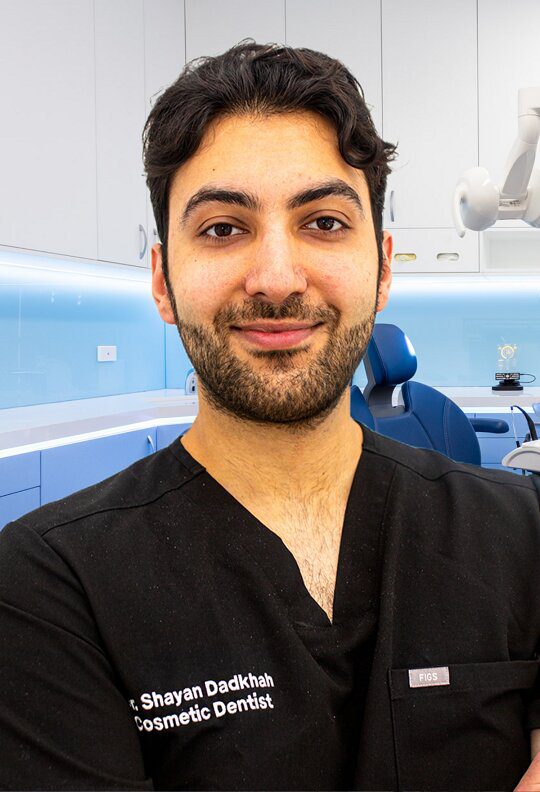
Urgent Toothache Treatments In London - Relief From Tooth Pain With The Dentist
Are you experiencing toothache or tooth pain? Book a same day dental appointment for treatment with our dentist.
Urgent Toothache Treatments In London - Prices From £150


Same Day Toothache Relief Treatment With Our Dentist
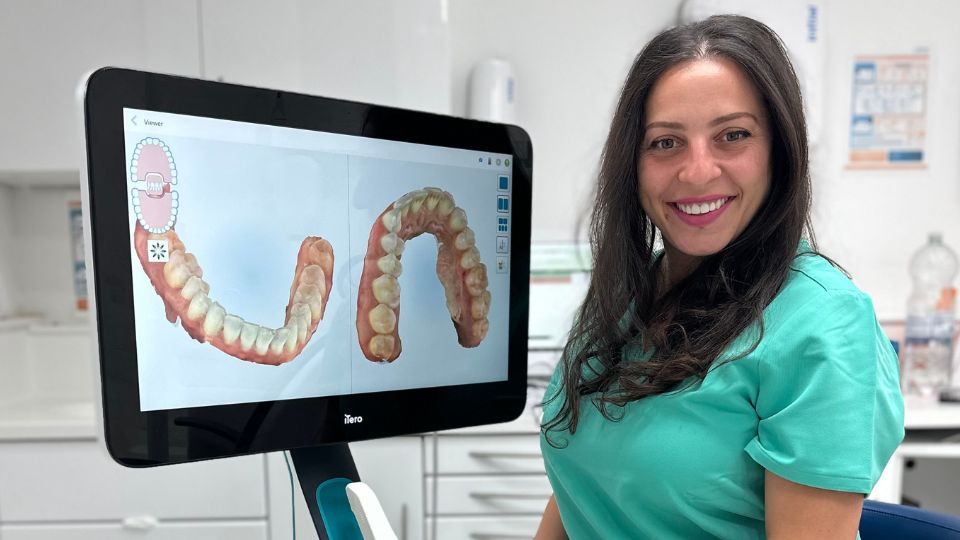
Toothache is a very common dental concern in London. Dental treatments include –
Dental filling – a filling is used when tooth decay causes pain. It removes the decayed part and restores the tooth’s structure.
Root canal treatment – needed when the tooth pulp is infected or inflamed. It removes the damaged tissue and seals the tooth to stop pain.
Tooth extraction – used when a tooth is severely damaged or infected. The tooth is removed to prevent further pain or infection.
Periodontal treatment – treatment like scaling and root planing, deep cleaning, gum surgery can treat pain/discomfort caused by gum disease.
At Whites Dental, we have expert dentists who are able to diagnose the causes of toothache and advice treatments to relieve tooth pain.
Dental clinic in Waterloo SE1 – adjacent to Waterloo, Southbank, Elephant & Castle, London Bridge and the City of London, our highly experienced clinicians can get you out of pain same day usually.
Dental clinic in Marble Arch W2 – adjacent to Paddington, Edgware Road, Maida Vale and Notting Hill, our expert dentists offer toothache treatments Monday to Saturday.
Send Us An Enquiry
Experiencing Any Of The Following Types Of Tooth Pain?
Visit a dentist for toothache treatment right away
Severe Throbbing Tooth Pain
Persistent throbbing pain may indicate deep decay, nerve inflammation, or dental infection. If the pain worsens at night or becomes constant, professional dental treatment is important.
Sharp Pain When Biting Or Chewing
Pain while biting down can be caused by a cracked tooth, cavity, or damaged filling. A dentist can identify the exact cause and prevent further damage.
Tooth Sensitivity To Hot Or Cold Foods
Lingering sensitivity after consuming hot or cold drinks may signal enamel erosion or nerve irritation. Early dental care can help stop the problem from progressing.
Swollen Gums Or Facial Swelling
Swelling around a tooth or jaw can indicate a serious infection or dental abscess. Prompt treatment is essential to relieve pain and prevent complications.
Toothache With Fever Or Bad Taste In The Mouth
A fever or unpleasant taste alongside tooth pain may suggest bacterial infection inside the tooth. Dental assessment is recommended as soon as possible to treat the source safely.
Pain That Comes And Goes Repeatedly
Tooth pain that repeatedly disappears and returns should not be ignored. Intermittent discomfort often points to an underlying issue that may worsen over time.
Sharp Sudden Tooth Pain
Sudden sharp pain without warning may be linked to cracked enamel, exposed nerves, or tooth decay. A dental examination can identify the cause before symptoms worsen.
Pain Around A Wisdom Tooth
Discomfort near the back of the mouth may indicate an impacted or infected wisdom tooth. Early diagnosis by a dentist can help prevent tooth infection, swelling and issues with opening the mouth.
Tooth Pain After Dental Treatment
Pain following a filling, crown, or root canal may sometimes be part of normal healing, but persistent discomfort should be checked. A dentist can determine whether further treatment is needed.
Toothache With Headache Or Ear Pain
Dental problems can sometimes cause referred pain in the jaw, ear, or head. Visiting a dentist helps rule out infection, grinding, or bite-related issues causing the discomfort.
Toothache Treatments To Relieve Tooth Pain
Dental Filling

Used when tooth decay or a cavity is causing pain, a filling removes the decayed portion and restores the tooth. This treatment stops the progression of decay and alleviates discomfort.
Root Canal Treatment
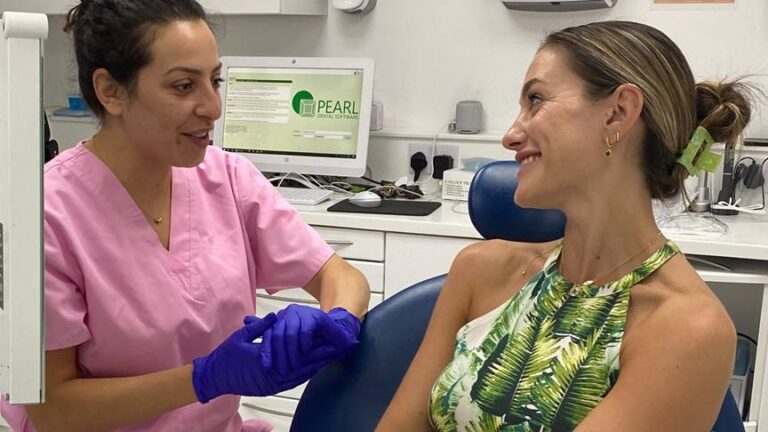
Recommended when the tooth pulp is infected or inflamed, a root canal removes the damaged tissue and seals the tooth. This procedure eliminates pain and prevents further infection.
Tooth Extraction
If a tooth is severely damaged or cannot be saved, extraction removes it completely. This prevents ongoing pain and stops infection from spreading to surrounding teeth.
Periodontal Treatment

Pain caused by gum disease can be treated with periodontal therapy, which cleans bacteria from below the gum line. This reduces inflammation, stops progression and relieves toothache related to the gums.
Cost For Toothache Treatments
At Whites Dental, toothache treatment prices are very affordable. Depending on the cause of the tooth pain, treatments can vary – we note some of the most common treatments and their costs in the table below.
|
Assessment |
£65 |
|
Composite Filling |
from £160 |
|
Root Canal |
from £400 |
|
Extraction |
from £150 |
|
Periodontal treatment |
from £205 |

Our Toothache Treatment Procedure
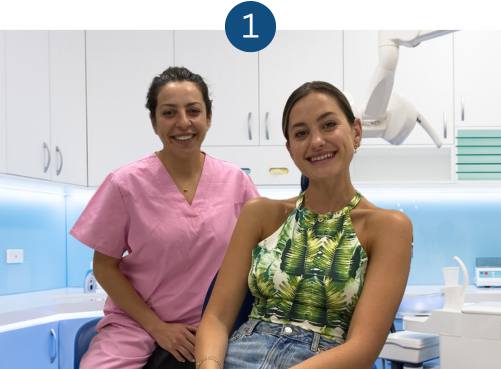
Exam & Assessment
The dentist begins by using diagnostic imaging such as X-rays or digital scans to identify the exact cause and location of the toothache. This helps detect issues like decay, infection, abscesses, or hidden structural damage that may not be visible during a physical examination.
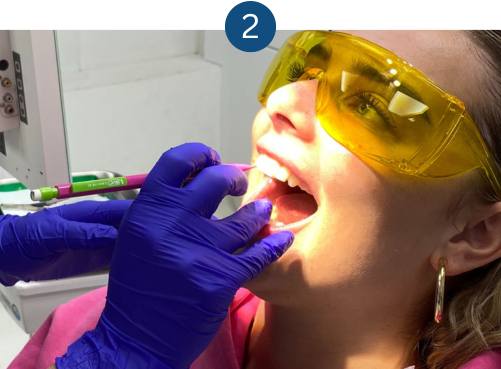
Local Anaesthetic
A local anaesthetic is administered to numb the affected area and ensure the patient remains comfortable throughout the procedure. This blocks pain signals from the specific tooth and surrounding tissues while allowing the dentist to work precisely.
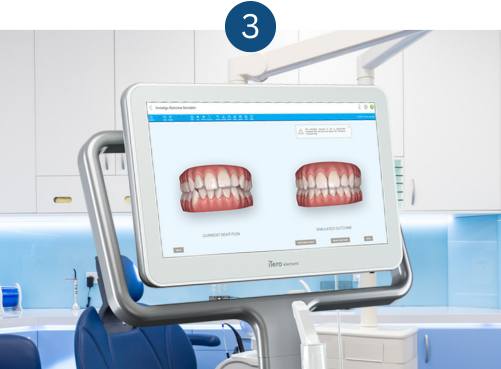
Targeted Treatment
Once the area is numb and the problem is clearly identified, the dentist carries out targeted treatment such as filling a cavity, performing a root canal, or draining an abscess. The goal is to directly address the underlying cause of the toothache and restore normal function and comfort.
Causes Of Toothache
Tooth Decay (Cavities)
Tooth decay occurs when bacteria in the mouth produce acids that erode enamel. Over time, this leads to cavities, which can reach the inner layers of the tooth, causing pain and sensitivity. If untreated, decay can infect the pulp and result in severe toothache. Early intervention with a filling can prevent worsening pain.
Gum Disease (Periodontal Disease)
Gum disease is an infection of the gums caused by plaque build up. As the disease progresses, gums can pull away from the teeth, exposing sensitive areas and causing discomfort. Advanced gum disease can affect the bone supporting teeth, leading to persistent toothache. Regular dental cleanings and proper oral hygiene help prevent this cause.
Tooth Fracture Or Damage
A cracked, chipped, or broken tooth can expose the sensitive inner layers of the tooth. Pain may occur when chewing or with exposure to hot, cold, or sweet foods. Even a small crack can worsen over time if left untreated. Dental repair such as bonding or crowns is often required to relieve pain and restore the tooth.
Dental Abscess Or Infection
An abscess is a pocket of pus caused by a bacterial infection in the tooth or gums. It can cause severe, throbbing pain, swelling, and sometimes fever. The infection may spread to surrounding tissues if untreated. Prompt treatment with antibiotics, drainage, or root canal therapy is necessary to resolve the pain and infection.

When Is Toothache A Dental Emergency?
Severe Throbbing Tooth Pain
Intense or constant throbbing tooth pain may indicate deep infection or nerve damage inside the tooth. If the pain prevents sleeping, eating, or concentrating, urgent dental care is recommended.
Swelling In The Face Or Gums
Swelling around the tooth, gums, jaw, or face can be a sign of a dental abscess or spreading infection. Dental infections can worsen quickly and should never be ignored.
Fever Or Difficulty Swallowing
A toothache accompanied by fever, swollen glands, or difficulty swallowing may indicate a serious infection. These symptoms need urgent attention from a dentist in order to prevent future complications.
Broken Tooth With Pain Or Bleeding
A cracked, chipped, or broken tooth causing pain or bleeding should be assessed as soon as possible. Prompt treatment can help prevent infection and further tooth damage.
Tooth Pain That Does Not Improve
Tooth pain lasting more than one or two days without improvement often signals an underlying dental problem. Early treatment can relieve discomfort quickly and reduce the risk of more complex procedures later.
Home Remedies For Tooth Pain Prior To Seeing a Dentist
Home remedies only provide temporary relief. Treatment is needed to address causes of tooth pain.
Gentle Oral Care To Reduce Irritation
Keeping the mouth clean can ease tooth pain by reducing irritation around the affected area. Gently brushing with a soft toothbrush and using lukewarm water helps remove debris without aggravating sensitive teeth or gums. Avoid aggressive brushing, as this can worsen inflammation and pain. Maintaining light oral hygiene can make discomfort more manageable before a dental visit.
Saltwater Rinse For Temporary Comfort
A warm saltwater rinse is a simple home remedy that can calm irritated tissues. Salt helps limit bacterial growth and may reduce mild swelling around a painful tooth. Rinsing several times a day can provide short-term comfort, especially if gum irritation is contributing to the pain.
Cold Compress For Pain And Swelling
A cold compress applied to the outside of your cheek is helpful in numbing tooth pain. It also helps reduce swelling if it exists. Cold works by constricting blood vessels and dulling nerve signals. This method is particularly helpful for pain linked to inflammation or minor trauma.
Avoiding Pain Triggers
Certain foods and habits can intensify tooth pain. Avoid very hot, cold, sweet, or acidic foods, and chew on the opposite side of the mouth. Reducing triggers can prevent sudden pain flare-ups while awaiting professional care.
Over-The-Counter Pain Relief Used Safely
Non-prescription pain relief may help control discomfort when used as directed. These medications reduce pain signals or inflammation but should never be applied directly to the tooth or gums.
How To Prevent Future Toothaches
Maintain A Strong Daily Oral Hygiene Routine
Brush your teeth twice daily using fluoride toothpaste and clean between your teeth with floss or interdental brushes. Good oral hygiene removes plaque bacteria that can lead to decay, gum disease, and tooth pain.
Reduce Sugary And Acidic Foods
Frequent sugar and acidic drinks weaken enamel and increase the risk of cavities that cause toothache. Try to limit fizzy drinks, sweets, and frequent snacking between meals.
Attend Regular Dental Checkups
Routine dental visits help identify small problems before they become painful emergencies. Professional cleanings and early treatment can prevent infections, decay, and severe tooth pain.
Protect Your Teeth From Damage
Wearing a mouthguard during sports and using a night guard for teeth grinding can prevent cracks and enamel wear. Avoid chewing ice, hard sweets or non-food objects that may damage teeth.
Treat Dental Problems Early
Do not ignore sensitivity, mild pain or bleeding gums, as these can worsen over time. Early treatment is usually simpler, less painful and helps prevent future toothaches.
What Our Patients Say




Frequently Asked Questions
How can I relieve toothache pain at home?
+When should I see a dentist for toothache?
+Can toothache go away on its own?
+How long does it take for a toothache treatment to work?
+Are root canals painful?
+Can gum disease cause toothache?
+Will tooth extraction fix a toothache?
+How can I prevent toothache in the future?
+How do dentists diagnose a toothache?
+How is pain managed during treatment?
+Is a toothache always a sign of infection?
+What happens if I ignore a toothache?
+How To Find Our Toothache Treatment Clinics In London
Waterloo SE1 tooth pain relief dentist clinic
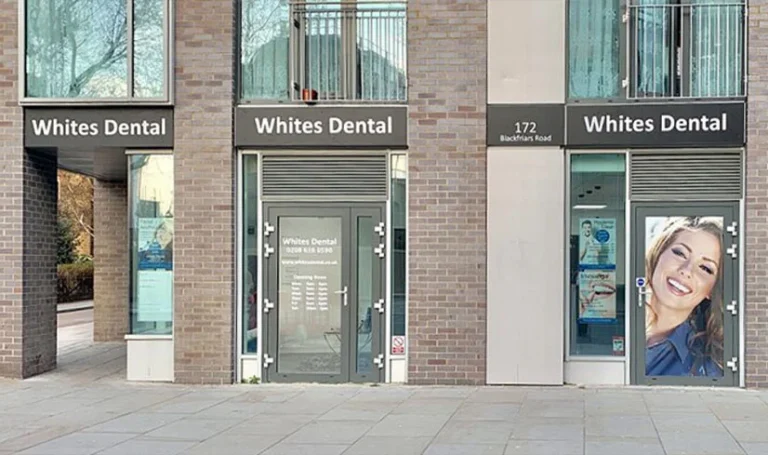
Whites Dental Waterloo SE1
172 Blackfriars Rd, London SE1 8ER
020 8616 0590
Dentist clinic in Waterloo SE1 – our practice is adjacent to Southwark Underground station – an under 2 mins walk. We are also a short walk from London Bridge Rail Station, Elephant and Castle Tube station, Borough Market & Southbank.
Paddington W2 tooth pain relief dentist clinic
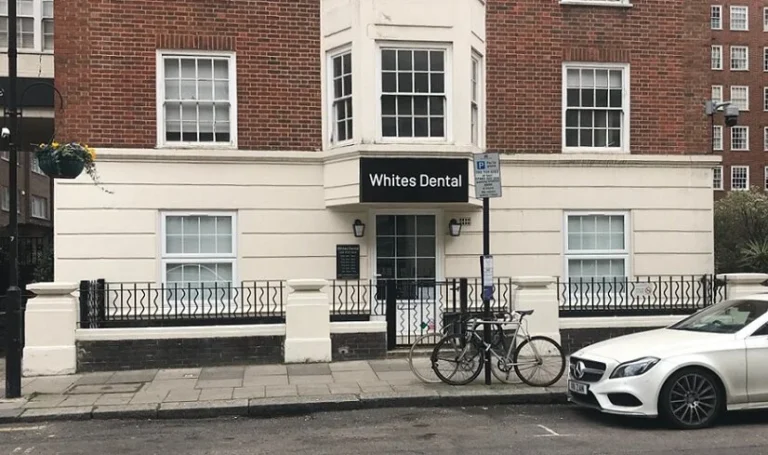
Whites Dental Marble Arch W2
52B Kendal St, St George’s Fields, London W2 2BP
020 3576 2325
Dentist clinic near Paddington W2 – our practice is walking distance from the hotel district around Paddington Station. We are located close to Hyde Park, Marble Arch, Oxford Street, Marylebone, Bayswater & London’s West End.