
Root Canal Treatment London - Affordable, Pain Free Specialist Endodontist Care
Same day private root canal care in London Waterloo & Marble Arch. Visit out trusted & hugely experienced expert dentists.
Our Root Canal Prices In London - £400 - £695


Why Choose A Root Canal?
Benefits of having a root canal
A root canal procedure is designed to save your natural tooth from an extraction. It serves to –
Relieve severe pain – A root canal removes infected or inflamed pulp, providing relief from persistent toothache.
Save the natural tooth – It preserves your natural tooth, maintaining your bite and preventing the need for extraction.
Prevent infection spreading – Root canal treatment stops bacteria from spreading to surrounding teeth and gums.
Restore function and appearance – The treated tooth can be restored with a crown or filling, regaining full function and a natural look.
A root canal treatment (RCT) is a major procedure. If you think you may need one or have been advised by your dentist to have one, we recommend booking an appointment with one of our private dentists in London as quickly as you can. We have two clinics in Central London – our dentists in Waterloo SE1 (near London Bridge) and dentists near Paddington in W2 are very experienced with root canal procedures.

Send Us An Enquiry
Private Root Canal Treatment Costs In London
At Whites Dental, our private prices for a root canal treatment are surprisingly affordable. To find out how much root canal treatment costs in more detail, visit our cost page.
|
Root Canal Treatment (RCT) - Anterior |
typically £400-£455 |
|
Root Canal Treatment (RCT)- Pre-Molar |
typically £500-£565 |
|
Root Canal Treatment (RCT) - Molar |
typically £600-£695 |
|
Crowns |
from £750 |
Is root canal treatment (RCT) covered by dental insurance?
Root Canal Treatment (RCT) is often covered by dental insurance, but the extent of coverage depends on your specific plan and provider. Most private dental insurance plans cover root canal treatment either partially or fully, especially if it’s deemed medically necessary.
Flexible payment plans available
We offer a range of finance options to fund your root canal treatment (RCT) – these include 0% finance plans over 12 months and also finance plans from 12-60 months. If you are looking to fund your root canal treatment on finance, please speak to our reception team on how to apply. The application process is very quick and you can have the plan approved in minutes.

Our Three Stage Pain-Free Process With Our Specialist Endodontist
Stage 1 (first appointment) - extirpation of the nerve
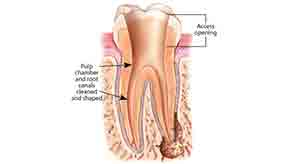
- The dentist will first numb the area with a local anesthetic. They will then create an opening at the top of the tooth to access the infected nerve.
- Using special tools, the damaged pulp or nerve tissue from inside the root canals is removed and any bacteria or debris cleared out.
Stage 2 (second appointment) - cleaning and sealing
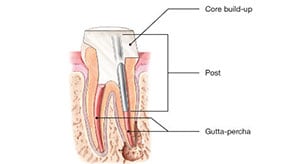
- The dentist will widen the canals cleaned in the first appointment. They will wash the canals with an anti-bacterial solution to kill any bacteria remnants and reduce the risk for further infection. The canals are then filled with Gutta-percha to seal the tooth.
- The core of the tooth is then built up with a filling material to protect the treated tooth from bacteria and to strengthen them in the process. Depending on the condition of your natural tooth, the dentist may need to place a small supporting post inside the tooth to make the restoration more stable.
Stage 3 (third appointment) - tooth restoration
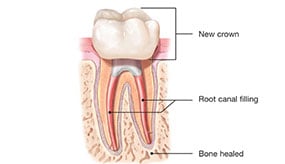
- A few weeks after the root canal treatment, the dentist will typically finish the treatment by placing a permanent crown or a similar type of restoration on the top of the tooth. For many root canal procedures, fitting Crowns over the tooth is necessary because of the high risk of fracture without the extra protection Crowns provide. A Crown also restores the natural appearance of the tooth.
- Some teeth may not need a crown (e.g. front teeth) if there is reasonable tooth structure intact. However, you might still prefer the improved appearance a crown offers.
Book Your Root Canal Treatment (RCT) Appointment
Once you are ready to book your RCT, please book an appointment with our reception team.
What Our Dental Patients Say




What Is Root Canal Treatment?
A root canal treatment is a dental procedure used to save a tooth that has become infected or severely decayed. Inside each tooth is soft tissue called the pulp, which contains nerves and blood vessels. When this pulp becomes infected, it can cause pain, swelling and even lead to tooth loss if not treated. During a root canal, the dentist removes the infected pulp, cleans and disinfects the inside of the tooth, and fills it with a biocompatible material. The tooth is then sealed, usually followed by a crown to strengthen and protect it. This treatment relieves pain and preserves your natural tooth.
Signs You Might Need A Root Canal
Persistent Tooth Pain
If you experience ongoing or severe tooth pain, especially when chewing or biting, it could indicate pulp damage. This is often a primary sign that a root canal may be necessary.
Sensitivity To Hot Or Cold
Prolonged sensitivity to hot or cold foods and drinks, even after removing the stimulus, can signal nerve inflammation. A root canal helps remove the damaged pulp causing this sensitivity.
Swelling Or Abscess
Swelling in the gums, a pimple-like bump, or pus around the tooth indicates an infection in the pulp or root. Immediate treatment, often with a root canal, is needed to prevent the infection from spreading.
Darkening Or Discolouration Of The Tooth
A tooth that becomes darker or discoloured may have dead or dying pulp inside. Root canal treatment can remove the damaged tissue and restore the tooth’s health.
Risks Of Not Having A Root Canal On An Infected Tooth
Spread Of Infection
An untreated infected tooth allows bacteria to spread to surrounding teeth, gums, and jawbone. This can lead to more complex dental problems and severe oral pain.
Formation Of A Dental Abscess
Bacteria can form a pocket of pus known as an abscess, causing swelling, throbbing pain, and sensitivity. Abscesses may also lead to systemic infections if not treated promptly.
Tooth Loss
Infection weakens the tooth structure and supporting bone, increasing the risk of the tooth becoming loose or needing extraction. Losing a tooth can affect chewing, speech, and alignment of surrounding teeth.
Systemic Health Complications
Severe dental infections can enter the bloodstream, potentially impacting heart, kidney, or other organ health. Early treatment helps prevent these rare but serious complications.
Endodontist Vs Dentist For Root Canal Treatment?
An experienced dentist can offer treatments that are more affordable
Training And Clinical Expertise
An endodontist is a specialist who focuses solely on diagnosing and treating infections within the tooth and performing complex root canal procedures. A dentist with experience in root canal treatment can successfully manage most standard and difficult cases, with the exception of severely complex or high-risk teeth.
Case Complexity And Treatment Choice
An experienced dentist can complete most root canal cases effectively. Endodontists are typically recommended for severely complex cases, such as intricate root structures, retreatments or advanced infections.
Cost And When To Choose Each Option
Treatment with a dentist is usually more cost-effective, making it a common first choice for straightforward and also advanced cases. Endodontists tend to charge higher fees due to their specialist training and advanced equipment and are generally reserved for very complex cases.
| Factor | Endodontist | Experienced Dentist |
|---|---|---|
| Case Type | Specialist handling of severely complex root canal cases and retreatments | Manages most standard and moderately complex root canal cases |
| Treatment Focus | Focused exclusively on root canal procedures and internal tooth infections | Performs root canal treatment regularly with broad clinical experience |
| Cost | Higher due to specialist expertise and advanced equipment | Generally more affordable than an endodontist |
Is A Root Canal Painful?
A Root Canal Is Designed To Relieve Pain – Not Cause It
A root canal is carried out to remove infected tissue from inside the tooth, which is often the source of severe toothache. Once the infection has been removed and the tooth is sealed, most patients experience significant relief from their symptoms.
What Does A Root Canal Feel Like?
The tooth is numbed before treatment begins, so you should not feel sharp pain during the procedure. You may notice pressure, vibration, or the sensation of the dentist working on the tooth, but these feelings are generally well tolerated.
Is There Pain After A Root Canal?
The treated tooth can feel tender when biting or chewing for a few days while the surrounding tissues recover. This temporary discomfort usually settles on its own and becomes less noticeable each day.
Every Patient’s Experience Is Different
The amount of discomfort can depend on how inflamed or infected the tooth was before treatment and your individual pain threshold. Most people are pleasantly surprised that a root canal is much more comfortable than they expected.
Root Canal Recovery And Aftercare
What To Expect After Treatment
After a root canal, it is normal to experience mild discomfort or tenderness around the treated tooth for a few days. This is usually due to temporary inflammation in the surrounding tissues rather than ongoing infection. Most patients find that any soreness gradually improves within a short period.
Managing Discomfort
Over-the-counter pain relief is often enough to manage any post-treatment sensitivity. Your dentist may also recommend avoiding chewing on the treated side until the tooth feels more comfortable. If pain worsens or does not improve, you should contact your dentist for review.
Eating And Daily Oral Care
You can usually return to eating once the numbness wears off, but it is best to start with softer foods. Maintaining good oral hygiene is essential, including brushing twice daily and cleaning between teeth to support healing and prevent further issues. Avoiding very hard or sticky foods can help protect the treated tooth.
Follow-Up And Long-Term Care
In many cases, a permanent filling or crown is needed after treatment to strengthen and protect the tooth. Regular dental check-ups are important to monitor healing and ensure the tooth remains healthy. With proper care, a treated tooth can last for many years.
Root Canal Treatment - FAQs
How does root canal treatment (RCT) help?
+What if I leave the tooth untreated?
+How long does a root canal take?
+Do I need a crown after root canal treatment?
+Do you offer private root canal treatment?
+Why is root canal treatment needed?
+Can a root canal save my tooth?
+What happens if I delay root canal treatment?
+How successful is root canal treatment?
+Can I eat normally after root canal treatment?
+What causes a root canal infection?
+How long does a root canal treated tooth usually last?
+When should I see an endodontist for root canal treatment?
+Is root canal treatment better when done by an endodontist?
+Why might my dentist refer me to an endodontist for a root canal?
+Finding Our Root Canal Clinics In London
Directions to reaching us
At Whites Dental, our dentists provide root canal treatment (RCT) to patients at our two clinics in London.
Our Waterloo dental clinic (SE1)
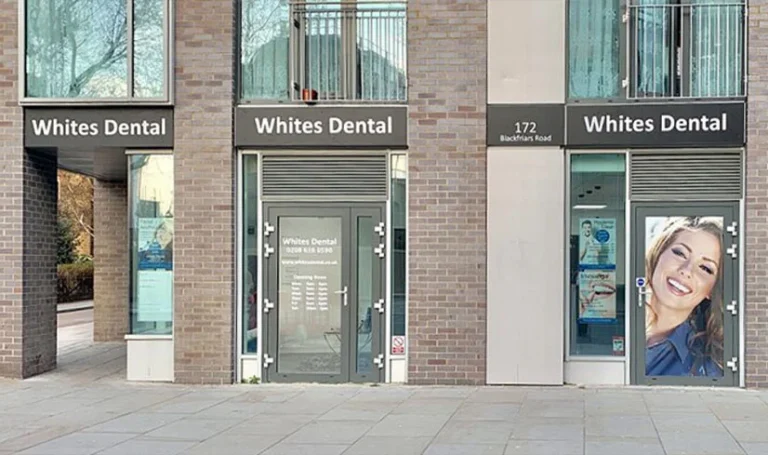
Whites Dental Waterloo
172 Blackfriars Rd, London SE1 8ER
020 8616 0590
Our Waterloo dentist clinic in SE1 is located adjacent to Southwark Tube station. We are an under 10mins walk from Waterloo, London Bridge, Southwark, Borough, Elephant and Castle and Southbank.
Our Marble Arch dental clinic (W2)
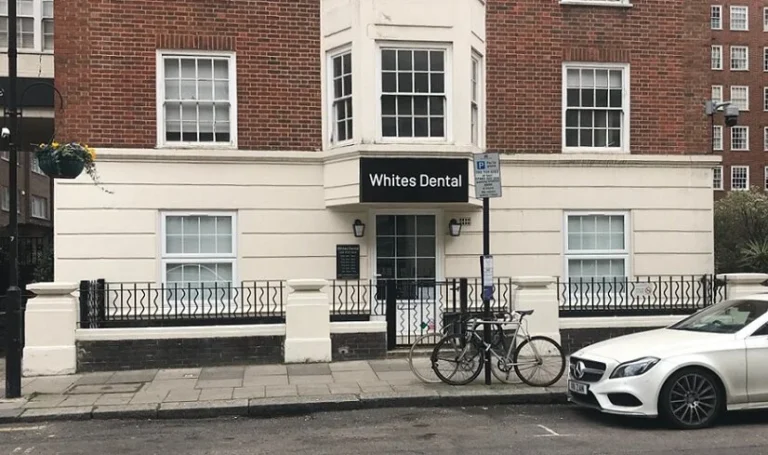
Whites Dental Marble Arch (W2)
52B Kendal St, St George’s Fields, London W2 2BP
020 3576 2325
Our Marble Arch dentist clinic in W2 is walking distance from Paddington Station, Maida Vale, Bayswater, Notting Hill, Marylebone, Oxford Circus & the West End. We are a 5-10 minutes walk from London Paddington, Marble Arch, Bond Street and Edgware Road stations.