
Periodontal Treatment For Gum Disease In London
Suffering from gum disease? Book an appointment for periodontal treatment with our specialist periodontist.
Periodontist Treatment For Gum Disease In London From £205


Types Of Periodontal Treatments For Gum Disease
Non-surgical periodontal treatments
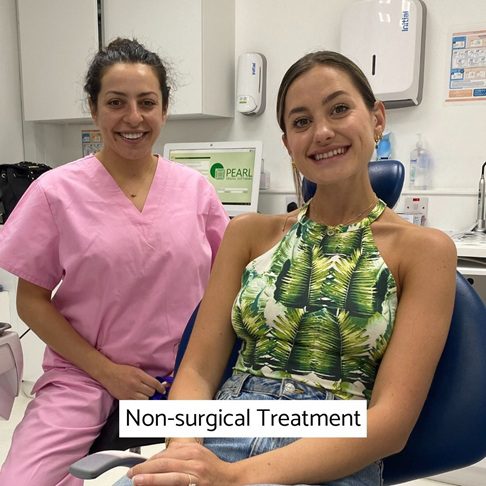
Non-surgical periodontal treatments aim to control infection and restore health of your gums without resorting to surgery. This includes professional cleanings, improved oral hygiene routines, antibacterial rinses, and deep cleaning procedures like scaling and root planing to remove plaque and reduce gum inflammation.
Surgical periodontal treatments

Surgical periodontal treatment for gum disease is used in advanced cases where deep pockets or bone loss are present. Procedures include flap surgery, bone grafts, and tissue regeneration to restore support, eliminate infection, and preserve natural teeth when non-surgical methods are no longer effective.
Periodontal Treatment Cost
If you are wondering about how much does periodontal treatment cost – prices for periodontal treatment for gum disease with our dentists and periodontists in London is noted below.
|
Examination |
£65 |
|
6 Point Pocket Chart |
£85 |
|
Scaling & Root Planing |
from £180 |
|
Debridement |
from £150 |
|
Periodontal treatment (per quadrant) |
typically £200-£300 |

Why Get Periodontal Treatment For Gum Disease?
Periodontist care for your gums
Gum disease can progress from inflammation of the gums to periodontitis, where the tissues and bone supporting the teeth can become damaged. Periodontal treatment aims to control the disease, stabilise gum health and reduce the risk of further progression.
Control gum inflammation – professional treatment helps remove plaque and calculus from areas that are difficult to clean effectively at home.
Protect supporting tissues – treating periodontitis can help limit further damage to the gums and bone supporting the teeth.
Reduce the risk of tooth loss – advanced periodontal disease can loosen teeth as supporting tissues are damaged, so identifying and managing the condition is important for long-term tooth retention.
Support ongoing gum health – periodontal treatment is usually followed by improved home care and regular maintenance appointments to help keep the condition stable.
At Whites Dental, periodontal assessment and gum disease treatment are available at our Marble Arch W2 and Waterloo SE1 clinics in Central London.
Treatment is planned according to the condition of your gums, the depth of periodontal pockets, any loss of supporting tissue or bone and how the disease responds to initial care. Depending on your needs, this may include periodontal assessment, scaling and root planing, debridement and ongoing maintenance.
Patients with more complex or advanced periodontal problems can be assessed to determine whether additional or specialist periodontal care is required.

Make An Enquiry
Our Most Commonly Used Periodontal Procedure In London
Scaling & Root Planing
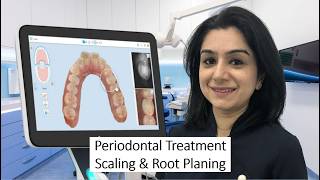
What it does – Scaling and root planing is a procedure that removes plaque & tartar from below the gum line. It also smooths tooth roots to help gums reattach & heal.
When it’s needed – It is commonly used to treat early-moderate gum disease when bacteria have formed deep pockets around the teeth. The goal is to stop infection and prevent further damage.
How it works – It is carried out using specialised instruments to clean below the gum line, often under local anaesthetic. Root surfaces are smoothed to reduce future bacterial buildup.
Why it matters – It helps stabilise gum disease and protects against tooth loss/ongoing inflammation. Its a key step in restoring long-term gum health.
Three Stage Periodontal Treatment Process With Our Periodontist

Exam & Assessment
Our periodontal treatment for gum disease starts with an examination. The dentist will assess your gum health and provide you a treatment plan with clear prices. This will include a 6 point pocket chart.
Periodontal Treatment
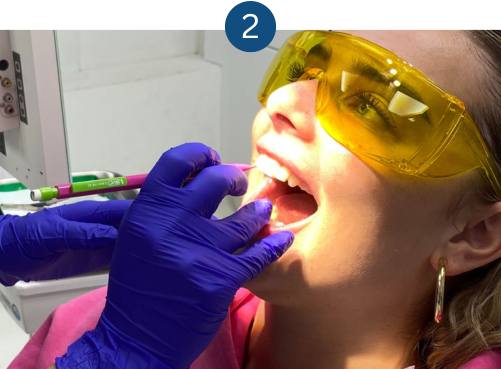
Once you are happy to proceed, we will book you for treatment appointments with the periodontist (usually 2-4 appointments are needed to complete your periodontal treatment).

Stabilisation
Once your gums have been treated, we will book you for regular sessions with the hygienist (usually 3 monthly) to stabilise your gums so they remain healthy.
Meet Our Periodontal Experts In London
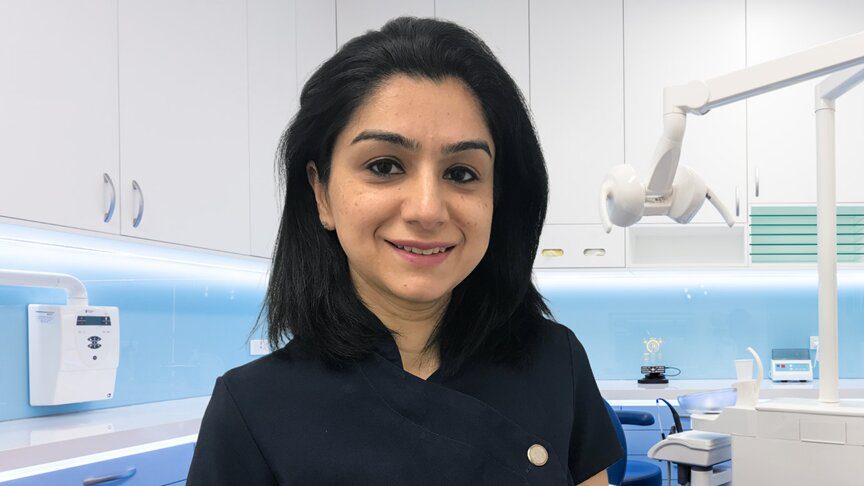
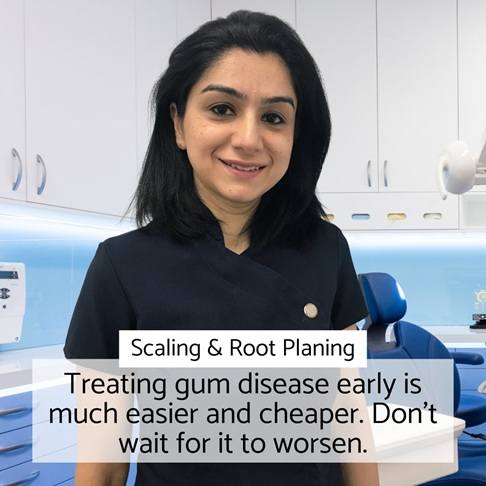
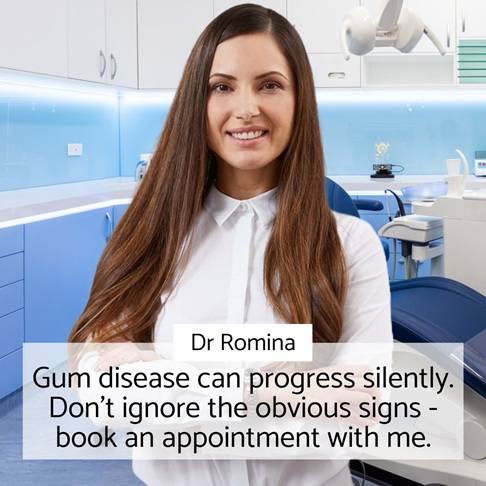
At Whites Dental, both Dr Romina and Dr Ravinder are very experienced dentists. Dr Romina has been treating gum disease for 15 years and Dr Ravinder has been providing periodontal care for over 18 years. Dr Ravinder is also a very experienced dental surgeon. Our surgery rooms are very modern, with the latest state of the art equipment. These are some of the advantages of having periodontal treatment with our dentists and surgeons at Whites Dental.


Periodontist Vs Dentist For Periodontal Treatment?
An experienced dentist can offer advanced non-surgical treatments at a more affordable price
Scope Of Treatment
An experienced gum disease dentist can diagnose and manage most cases of gum disease, including moderate and moderate-severe stages and also carry out more advanced non-surgical treatments. This means many patients can be treated successfully without needing a specialist straight away. However, very severe or complex cases are usually managed by a periodontist.
Level Of Expertise
A dentist is experienced in identifying and treating a wide range of gum conditions. This includes being able to treat moderate to moderate-severe cases and be able to recognise those needing more intensive care. A periodontist has additional specialist training focused entirely on very advanced gum disease and complex cases.
Treatment Capabilities
An experienced dentist can provide deep cleaning, root surface debridement and more advanced periodontal treatments to help control gum disease. These treatments are often effective even when the condition has progressed into the moderate to moderate-advanced stage. For severe cases involving significant bone loss or complex reconstruction, a periodontist is usually required.
Referral Thresholds
A dentist will manage most gum disease cases, even when they require more advanced non-surgical treatment. Referral to a periodontist is considered when the disease becomes severe, complicated or does not respond as expected to treatment. This ensures patients receive specialist care when their condition goes beyond general dental management.
| Area | Experienced Dentist | Periodontist |
|---|---|---|
| Scope Of Treatment | Manages moderate to moderate-sever gum disease and can provide more advanced non-surgical treatments. | Focuses on complex and severe gum disease cases, especially advanced or high-risk conditions. |
| Level Of Expertise | Strong experience in identifying and treating gum disease up to moderate to moderate-severe cases. | Specialist training dedicated entirely to gum disease and supporting bone structures. |
| Treatment Capabilities | Deep cleaning, root surface debridement and non-surgical periodontal care for most cases. | Advanced procedures including gum surgery, regeneration, and complex reconstruction. |
| Referral Thresholds | Refers when cases become severe, complex, or unresponsive to treatment. | Receives referrals for advanced disease requiring specialist intervention. |
Book A Periodontal Appointment For Gum Disease Treatment
Feel free to get in touch with our reception team to book an appointment for gum disease treatment with our periodontists in London.
What Is Periodontal Treatment?
Periodontal treatment is treatment for gum disease
Gum disease
Gum disease affects the gums and, when it progresses to periodontitis, the supporting structures around the teeth. Plaque accumulation can cause inflammation, with symptoms including swollen or bleeding gums. If periodontitis develops, supporting tissue and bone can be damaged and teeth may eventually become loose.
Understanding periodontal treatment
Periodontal treatment is a specialised approach to managing gum disease and protecting the structures that support the teeth. It focuses on removing harmful bacteria and stabilising the condition to prevent further progression.
What does periodontal treatment involve?
Treatment commonly includes deep cleaning procedures such as scaling and root planing to remove deposits below the gum line. In more advanced cases, additional therapies may be used to restore gum health and improve stability.
Why it matters long-term
Without treatment, gum disease can lead to tooth loss and damage to the underlying bone. Ongoing maintenance care after treatment is essential to keep the condition under control and protect long-term oral health.
Signs And Symptoms Of Gum Disease
Swollen or inflamed gums
One of the first and most reported symptom of gum disease is swelling of the gums. Or inflammation in other words. They may appear red, puffy, and feel tender to the touch. Inflammation is your body’s natural response to infection, and in the case of gum disease, it’s usually caused by a build up of plaque and bacteria along the gum line.
Bleeding gums
Bleeding during brushing or interdental cleaning can be a sign of gum inflammation and is commonly associated with gingivitis. Persistent bleeding should be assessed to identify the underlying cause and determine whether periodontal care is required. Read more about the causes, symptoms and treatment of bleeding gums.
Bad breath or bad taste
Frequent and ongoing bad breath (also called halitosis) or a frequent bad taste in the mouth is often associated with gum disease. This is usually caused by the build up of bacteria ( that release foul-smelling gases and toxins) associated with gum disease in the mouth.
Gum recession
As gum disease progresses, the gum tissue can start to recede or pull away from the teeth, making the teeth look longer than usual. As the gums recede, they expose the roots of the teeth, which causes sensitivity.
Tooth sensitivity
Roots of the teeth that get exposed due to receding gums can often lead to higher sensitivity to hot and cold food and drinks. You can also experience increase sensitivity to acidic or sweet foods and drinks.
Loose or shifting teeth
In advanced stages of gum disease (periodontitis), the supporting structures around the teeth begin to break down. Teeth can start to loosen or shift. Bite alignment can also change, making it uncomfortable to chew or close your mouth properly.
Common Causes Of Gum Disease
Plaque build up (poor oral hygiene)
Plaque, which is a thin, sticky film of bacteria, if it is not removed every day with a good oral hygiene regime, hardens and forms tartar – leading to gum inflammation and early signs of gum disease.
Smoking and tobacco use
Smoking is known to weaken the immune system; it also reduces the flow of blood to your gums. Both these factors increase risk of infection to the gums. Smoking is also known to hide the early signs of gum disease.
Hormonal changes
Shifts in hormone levels during puberty, pregnancy or menopause can make gums more sensitive. This shift in hormone levels then increases the changes of gum inflammation and gum irritation.
Medical conditions and medications
Conditions like diabetes and medications that reduce saliva flow make it harder to fight gum infections. A dry mouth environment encourages bacterial growth.
Genetics and family history
Some individuals are genetically predisposed to gum disease. Even with good oral care, they may develop issues without regular dental monitoring.
Poor nutrition and vitamin deficiency
Lack of nutrients, especially vitamin C, weakens gum tissue and immune response. This slows healing and makes gums more vulnerable to infection.
Stress and weakened immune response
Chronic stress lowers your body’s ability to fight infections. This can allow plaque bacteria to spread and worsen gum inflammation.
Stages Of Periodontal Disease Or Gum Disease
Stage 1: Gingivitis

Gingivitis is the early stage of gum disease and is associated with inflammation caused by plaque accumulating around the gum line. Gums may appear red or swollen and may bleed during brushing or interdental cleaning. Gingivitis can usually be reversed with effective plaque control and professional dental care, but if inflammation is not controlled, some patients can progress to periodontitis.
Stage 2: Periodontitis
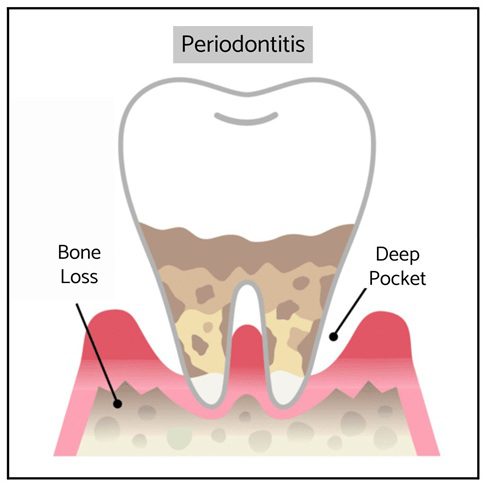
Periodontitis is an advanced stage of gum disease that occurs when untreated gingivitis spreads below the gum line. It causes inflammation, gum recession, bone loss, and loose teeth. Without treatment, it can lead to tooth loss and impact overall health. Periodontitis requires professional care to manage and prevent further damage.
Periodontal Aftercare For Gum Disease
Immediate aftercare following periodontal treatment
After periodontal treatment, it’s important to follow strict oral hygiene practices to aid healing of your gums. Patients should gently brush and floss as advised, avoid hard or sticky foods and rinse with any prescribed mouthwash to reduce bacteria and protect treated gums.
Long term maintenance and follow up
Long-term aftercare focuses on preventing gum disease from recurring. Regular periodontal check-ups every 3–6 months, combined with professional cleanings with the hygienist, support gum stability, while consistent at-home care helps maintain results and safeguard overall oral health.
Periodontist Treatment - Frequently Asked Questions
What's the difference between gingivitis and periodontitis?
+How do plaque and tartar cause gum disease?
+How does a periodontist treat gum disease?
+Do you need a referral to see a periodontist?
+How often should you see a periodontist?
+Is gum disease reversible?
+What is scaling and root planing?
+Is periodontal treatment painful?
+How long does periodontal treatment take?
+Can gum disease come back after treatment?
+What can I do to prevent gum disease in the future?
+Finding Our Periodontal Clinics In London
Waterloo dental clinic (SE1)
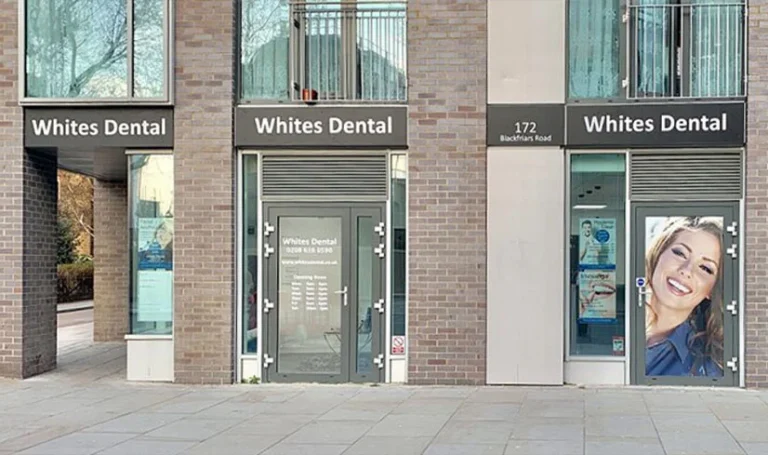
Whites Dental Waterloo
172 Blackfriars Rd, London SE1 8ER
020 8616 0590
Waterloo dentist clinic in SE1 – located right next to Southwark Underground station, the dental clinic is walking distance from London Bridge Station, Borough Market, Southbank and Elephant and Castle.
Marble Arch dental clinic (W2)
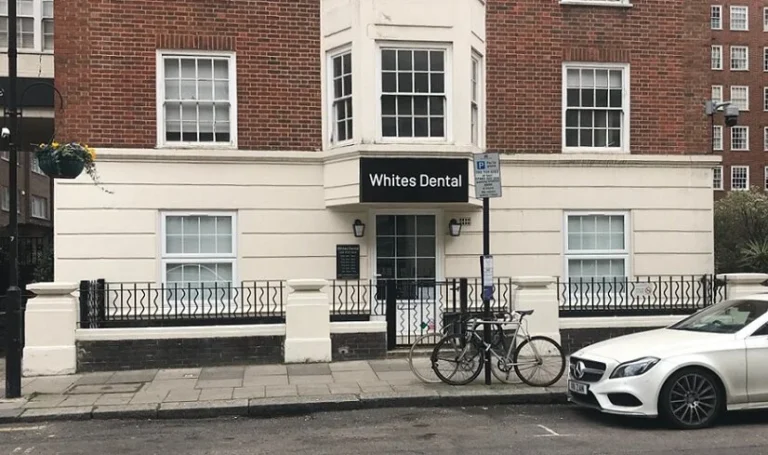
Whites Dental Marble Arch (W2)
52B Kendal St, St George’s Fields, London W2 2BP
020 3576 2325
Marble Arch dentist clinic in W2 is a short walk from Paddington Rail Station, Hyde Park, Oxford Street, Maida Vale, Bayswater, Marylebone& the West End.