

Key Takeaway
Yes, it is possible to replace just one porcelain veneer, but success depends on expert colour matching, precise craftsmanship, and the condition of surrounding veneers. A skilled cosmetic dentist using modern porcelain systems can achieve natural, seamless results without replacing the entire smile.
Replacing a single porcelain veneer is a common concern for patients who have invested in cosmetic dentistry and want to maintain a flawless smile. Whether a veneer has chipped, cracked, discoloured, or simply no longer blends with surrounding teeth, the good news is that replacing just one porcelain veneer is often possible. However, achieving a seamless result requires clinical expertise, advanced materials, and careful planning.
💡At our two porcelain veneer clinics in London, dentists at Whites Dental can explain when and how a single porcelain veneer can be replaced, the challenges involved, what affects colour matching, costs, longevity, and how expert cosmetic dentists approach this delicate procedure. It also explains when replacing multiple porcelain veneers may be the better option.
Why Someone Might Need To Replace One Porcelain Veneer
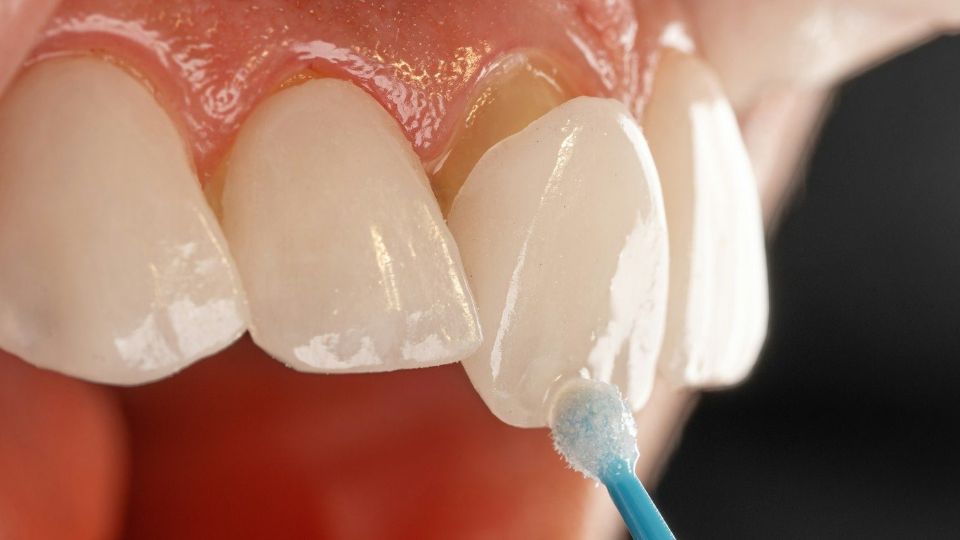
Porcelain veneers are very durable and can last a long time. However, they are certainly not indestructible. Over time, even a well-made veneer may need replacement due to damage, wear or aesthetic changes. Common reasons a single porcelain veneer may need replacing include:
• Chipping or cracking from biting hard foods or trauma.
• Veneer debonding or loosening.
• Changes in gum position exposing veneer margins
• Colour mismatch caused by ageing or surrounding dental work
• Wear from teeth grinding or clenching
• Older veneers made with outdated materials
In many cases, the surrounding porcelain veneers remain in excellent condition, making replacement of just one veneer both practical and desirable.
💡 Early assessment improves outcomes—addressing veneer issues promptly reduces the risk of needing multiple replacements.
Is It Always Possible To Replace Just One Porcelain Veneer?
While single porcelain veneer replacement is possible in many cases, it is not guaranteed for everyone. Several clinical and aesthetic factors determine whether replacing just one veneer will deliver a natural result. Important considerations include:
• The age of the existing porcelain veneers.
• The porcelain material originally used
• Changes in tooth shade over time
• Gum health and symmetry
• The number of veneers visible when smiling
If your existing veneers are relatively recent and were placed using high-quality porcelain, matching a single replacement is usually achievable.
💡 The newer and better maintained your existing porcelain veneers are, the easier a single replacement becomes.
Porcelain Veneer Colour Matching Challenges
Why Colour Matching Porcelain Veneers Is Complex
Matching porcelain veneers is significantly more complex than matching natural teeth. Unlike enamel, porcelain reflects light differently, and each laboratory uses proprietary ceramic layering techniques. Challenges include:
• Natural ageing of porcelain over time
• Slight shade changes in surrounding teeth
• Differences between ceramic brands.
• Translucency variations
• Surface texture and gloss levels.
Even a perfectly shaded veneer can look mismatched if translucency or surface finish differs.
💡 Veneer dentists who work hand in hand with dedicated ceramic laboratories for veneers are able to achieve the best and most predictable matches. Finding an experienced and specialised cosmetic dentist is absolutely key for porcelain veneers treatment.
How Dentists Achieve Seamless Veneer Matching
To match a single porcelain veneer, dentists rely on:
• High-resolution photography.
• Digital shade mapping.
• Custom porcelain layering.
• Try-in appointments
• Adjustments before final bonding
Advanced cosmetic practices may also use Digital Smile Design to visualise colour harmony before fabrication.
💡 Multiple shade checks under different lighting conditions help avoid mismatches.
Does Replacing One Porcelain Veneer Affect The Others?
Replacing one porcelain veneer does not damage neighbouring veneers when performed correctly. However, minor adjustments may sometimes be recommended to ensure uniformity. Potential effects include:
• Polishing adjacent veneers for consistent shine
• Minor bite adjustments
• Reviewing gum margins for symmetry
The goal is always preservation of existing porcelain veneers whenever possible.
💡 Conservative cosmetic dentistry prioritises preserving healthy veneers rather than replacing them unnecessarily.
Step-By-Step Process To Replace A Single Porcelain Veneer
Initial Consultation And Assessment
Your dentist will examine:
• Veneer condition.
• Tooth structure underneath.
• Gum health
• Bite alignment
• Smile symmetry
X-rays or digital scans may be taken to confirm the tooth is healthy enough for replacement.
💡 A thorough assessment prevents future complications.
Removal Of The Existing Porcelain Veneer
Porcelain veneer removal is a precise process that avoids damaging the underlying tooth. Dentists use:
• Fine diamond instruments.
• Controlled sectioning techniques
• Magnification for accuracy
If minimal enamel remains, additional care is required to protect the tooth.
💡 Veneer removal should never compromise remaining enamel.
Preparation And Temporary Veneer Placement
After removal:
• The tooth is cleaned and refined.
• A temporary veneer may be placed
• Shade records are finalised
Temporary veneers protect the tooth and allow aesthetic evaluation.
💡Temporary veneers also help test comfort and bite.
Final Porcelain Veneer Bonding
Once the new veneer is ready:
• Fit and shade are checked.
• Adjustments are made if needed
• The teeth veneer is bonded using advanced adhesives
Proper bonding is essential for longevity and strength.
💡 Final bonding appointments should never feel rushed.
How Long Does A Single Porcelain Veneer Replacement Take?
Most single porcelain veneer replacements involve:
• One consultation.
• One preparation visit.
• One bonding appointment
The full process typically takes 2–3 weeks, depending on laboratory turnaround and complexity.
💡Rushed dental veneer fabrication increases mismatch risk—quality takes time.
Longevity Of A Replaced Porcelain Veneer
A well-made replacement porcelain veneer can last:
• 10–15 years or longer.
• Comparable to existing veneers.
• Longer with good oral hygiene
Longevity of a veneer depends on the bite forces in your mouth, your grinding habits and also equally importantly – how you maintain it.
💡 Night guards significantly extend veneer lifespan for grinders.
When Replacing One Porcelain Veneer Is Not Recommended
In some situations, replacing multiple veneers produces better results. These include:
• Significant colour mismatch across veneers.
• Multiple ageing veneers.
• Gum recession affecting several teeth
• Smile design changes.
A cosmetic dentist will always prioritise long-term aesthetics.
💡 Sometimes replacing two veneers yields a better match than replacing one.
Cost Of Replacing A Single Porcelain Veneer In London
Costs vary based on:
• Porcelain material used.
• Cosmetic complexity
• Laboratory expertise
• Dentist experience
While replacing one porcelain veneer costs less than a full set, precision matching can make it slightly more expensive than an initial veneer placement.
💡 Cost should reflect skill, materials, and predictability—not shortcuts.
How To Care For A Newly Replaced Porcelain Veneer
To protect your new veneer:
• Avoid biting hard foods.
• Maintain excellent oral hygiene.
• Wear a night guard if recommended
• Attend regular dental check-ups
Porcelain veneers require the same care as natural teeth—plus awareness of excessive force.
💡 Prevention is always cheaper than replacement.
Can Old Porcelain Veneers Be Matched Successfully?
Yes, but success depends on:
• Original porcelain quality
• Degree of ageing.
• Colour stability.
• Surface wear.
An experienced dentist will usually be able to recreate the aesthetics of an older veneer using modern ceramic and techniques.
💡 Bring old records or photos if available—they help technicians replicate results.
How Whites Dental In London Can Help
Whites Dental provides veneer treatments to our patients in London – we have a strong focus on the highest quality and the best porcelain veneers, including replacing single veneers. Using advanced shade-matching techniques, high-end ceramic laboratories, and conservative clinical methods, their team prioritises seamless, natural-looking results.
Patients looking for veneer replacement are supported every step of the way – starting from initial veneer assessment to final bonding of the veneer to the tooth. Consultation for porcelain veneers are available at our two London clinics in Waterloo and Marble Arch. This ensures convenience alongside high clinical standards.
💡 Choosing a dentist experienced in complex veneer replacement significantly improves outcomes.
Frequently Asked Questions About Replacing One Porcelain Veneer
Will The Veneer That Is Replaced Look Different From The Adjacent Ones?
When matched properly by an experienced team, a single veneer replacement can be expected to blend in completely seamlessly with adjacent porcelain veneers.
Can A Veneer Be Replaced, But The Tooth Is Not Removed?
Yes. Only the porcelain veneer on the tooth is removed. Your tooth is unaffected – it is not removed and remains intact if it is healthy.
Is It Much Easier To Have Two Veneers Replaced Instead Of One?
Sometimes replacing two adjacent veneers creates a more natural match, depending on colour and translucency.
Can A Single Veneer Be Replaced Years Later?
Yes, although matching becomes more complex as veneers age.
Will Insurance Cover Porcelain Veneer Replacement?
Most cosmetic veneer replacements are not covered, but exceptions may apply if damage is trauma-related.
Author

Dr Deepa Chopra
Principal Dentist & Clinic Founder
GDC registration number: 124489
Membership of the Faculty of Dental Surgery from the Royal College of Surgeons of Edinburgh
Membership of the British Dental Association
Restorative Dentistry from Tipton
Align Invisalign profile
LinkedIn profile
Areas of Expertise: 20+ Years Dentistry Experience. General Dentistry, Cosmetic Dentistry, Restorative Dentistry, Invisalign, Composite Bonding, Veneers, Root Canals, Crowns, Dentures, Gum Disease, Hygienist Services, Emergency Dental Services & Teeth Whitening.