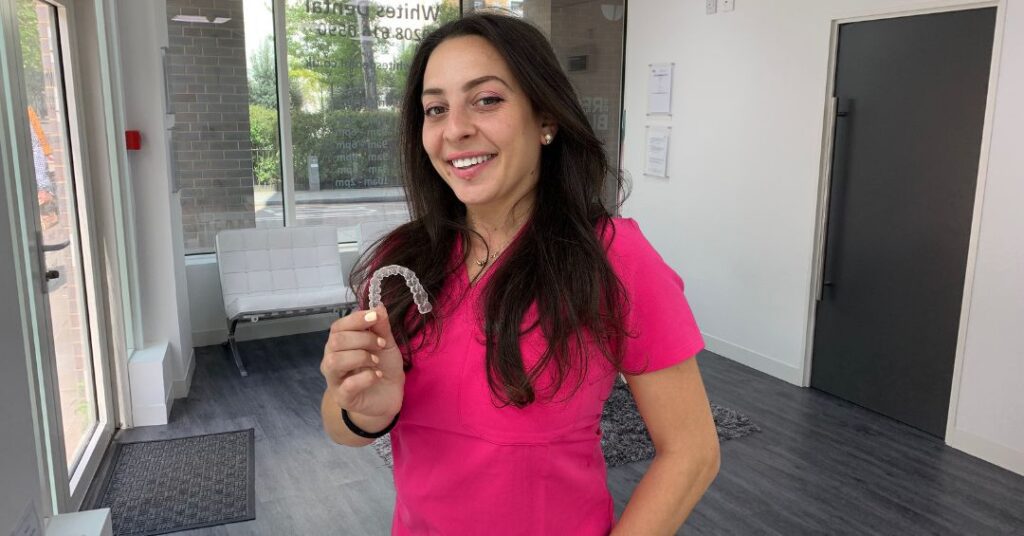


A lot of patients start with the same basic question: should I go through the NHS, or should I see a private orthodontist?
That usually comes up when someone has been told they may need braces, wants a second opinion, or is trying to work out why private orthodontic treatment seems to offer more options than the NHS route.
The difference is not simply about cost.
It is also about eligibility, waiting times, treatment choice, flexibility, and who the service is really designed for. For some children with more severe orthodontic problems, NHS treatment may be available.
For many adults, and for patients who want faster access, more discreet systems, or greater treatment choice, private orthodontic care is often the more realistic route.
In this guide, we break down the real differences between NHS and private orthodontist treatment, what each option may include, and how to think about the decision clearly.
Quick Answer: The main difference between an NHS and private orthodontist is that NHS orthodontic treatment is usually limited to eligible children with more severe clinical need, while private orthodontist treatment is available to both adults and children, usually offers faster access, and gives patients more treatment choice. If you are considering seeing an orthodontist, private care often provides access to options such as Invisalign, ceramic braces, metal braces, and Damon braces with greater flexibility.
🔑 Key Takeaways
- NHS orthodontic treatment is generally only available for children who meet strict clinical criteria
- Private orthodontist treatment is available to adults, teenagers, and children
- Private orthodontics usually offers shorter waiting times and more flexible appointment routes
- A private orthodontist may offer more treatment systems, including Invisalign, ceramic braces, metal braces, and Damon braces
- NHS and private orthodontic treatment are not the same when it comes to convenience, choice, and treatment planning
- For many adults, private orthodontic treatment is the main route available
🧭 Jump to:
What Is The Difference Between An NHS And Private Orthodontist?
The simplest way to understand it is this: NHS orthodontic treatment is a public service with strict access criteria, while private orthodontist treatment is a paid service with broader access and more choice.
That affects several parts of the patient journey:
- Who qualifies for treatment
- How long you may wait
- What types of orthodontic treatment are offered
- Whether adults can be treated
- How flexible the consultation and planning process is
Many patients assume the only difference is paying privately. In reality, the entire treatment pathway can feel quite different.
Why This Matters When Choosing An Orthodontist
If you are exploring specialist orthodontist London treatment, it helps to be clear on what you actually want from the process.
- Are you trying to access treatment as quickly as possible?
- Do you want discreet orthodontic options?
- Are you an adult looking into braces or aligners?
- Do you want more flexibility over appointments and planning?
Those questions often point patients towards private orthodontics rather than the NHS route.
Who Can Get NHS Orthodontic Treatment?
NHS orthodontic treatment is mainly aimed at children and teenagers who meet a recognised level of clinical need.
That means not every child with crooked teeth will automatically qualify, and adults generally do not receive NHS orthodontic treatment for routine alignment issues.
NHS Orthodontic Treatment Is Usually Limited By Eligibility
In general, NHS orthodontic care is more likely to apply when:
- The patient is under 18
- The orthodontic issue is considered significant enough to meet NHS criteria
- The case is accepted through the relevant assessment route
Patients sometimes find this frustrating because the concern may feel very real to them, even if it does not meet the threshold for NHS-funded treatment.
Can Adults Get NHS Orthodontic Treatment?
In most routine cases, no.
For adults, private care is usually the main route for braces, aligners, and wider orthodontic correction. That is one reason searches such as private orthodontist, orthodontist consultation, and free orthodontic consultation London often come from adults actively trying to understand their options.
If you want a clearer overview of when specialist input makes sense, this may also help: When Should You See An Orthodontist?
What Does A Private Orthodontist Usually Offer?
A private orthodontist usually offers broader access to treatment, more flexibility, and a wider range of systems.
That does not mean every case is automatically suitable for every treatment. It means patients usually have more room to explore the right option for their needs, lifestyle, and priorities.
- Adult orthodontic treatment
- Teen and child orthodontic treatment
- Invisalign and clear aligner options
- Metal braces
- Ceramic braces
- Damon braces
- Flexible consultation and finance routes
For patients researching orthodontics London care, this wider treatment choice is often one of the biggest reasons private care stands out.
Private Orthodontic Treatment Is Not Just For Cosmetic Cases
Some people hear “private orthodontist” and assume the service is mainly about cosmetic straightening.
That is too narrow.
Private orthodontists also assess:
- Crowding
- Spacing
- Overbite
- Underbite
- Crossbite
- Open bite
- Teeth that have shifted after previous treatment
We cover the treatment side of that in more detail here: What Problems Does An Orthodontist Treat?
Why Do People Choose A Private Orthodontist?
Patients choose a private orthodontist for different reasons, and it is not always just about wanting a quicker appointment.
Common reasons include:
- They are an adult and NHS treatment is not realistically available
- They want more discreet options such as aligners or less visible braces
- They want more control over timing and treatment choice
- They want a second opinion on a treatment recommendation
- They want to explore a more personalised orthodontic plan
What Private Orthodontic Patients Often Value Most
- Choice – more than one system may be available
- Speed – assessment and treatment can often move forward sooner
- Convenience – flexibility matters for work, school, and family life
- Clarity – patients often want a full explanation of options rather than a single route
If you are comparing private orthodontist London options, this is usually what you are really comparing beneath the surface.
NHS Vs Private Orthodontist Comparison Table
| Category | NHS Orthodontist Route | Private Orthodontist Route |
|---|---|---|
| Who It Is For | Mostly eligible children with higher clinical need | Adults, teenagers, and children |
| Adult Treatment | Usually not available for routine orthodontics | Commonly available |
| Treatment Choice | More limited | Usually broader, including aligners and different brace types |
| Waiting Times | Can be longer | Often faster access |
| Discreet Options | May be limited | Often available |
| Finance Flexibility | Not structured in the same way as private payment plans | Often includes staged payment or finance options |
Is A Private Orthodontist Faster Than The NHS?
In many cases, yes, private orthodontic treatment is faster to access.
That does not mean the treatment itself is rushed. It usually means the pathway from enquiry to consultation, diagnosis, and planning is more direct.
Private orthodontic care may feel faster because:
- Patients can book directly
- There is no need to wait around to see if NHS criteria are met
- Treatment planning often starts sooner once the patient is ready
That matters for adults especially, as many do not want to delay treatment for months while their teeth continue to shift or while they keep putting the decision off.
For a deeper look at the first step, see What Happens At An Orthodontist Consultation?
Are The Types Of Braces Different With An NHS Or Private Orthodontist?
They can be.
One of the clearest differences is that private orthodontist treatment often gives patients access to a wider mix of systems, especially when appearance, convenience, or lifestyle matter.
Depending on the clinic and the case, a private orthodontist may discuss:
- Invisalign clear aligners
- Metal braces
- Ceramic braces
- Damon braces
That broader choice can be especially relevant for:
- Adults in professional or client-facing roles
- Teenagers who are self-conscious about appearance
- Patients comparing discreet and fixed orthodontic systems
Can You Switch From NHS To Private Orthodontic Treatment?
Some patients do explore switching, especially if they want more flexibility, a different type of treatment, or a second opinion from a private orthodontist.
The exact position depends on the individual case and where they are in the process, but it is certainly a common question.
When Patients Start Looking At A Private Orthodontist Instead
This often happens when:
- They do not qualify for NHS treatment
- They want to start treatment sooner
- They want access to more discreet options
- They want clearer discussion around adult treatment choices
Patients looking into second opinions may also find these useful:
- How An Orthodontist Creates A Personalised Treatment Plan
- Can You See An Orthodontist If You’ve Had Treatment Before?
Is Private Orthodontic Treatment Worth It?
That depends on what matters most to the patient.
Private orthodontic treatment may be worth it when the priorities include:
- Being treated as an adult
- Having more treatment options
- Getting faster access to an orthodontist appointment
- Exploring discreet systems
- Having a more flexible consultation and finance route
For many patients, especially adults, the comparison is not really NHS vs private in practical terms. It is more that private orthodontics is the realistic treatment route open to them.
FAQs: NHS Vs Private Orthodontist
Patients often understand that NHS and private orthodontic treatment are different, but they are not always sure exactly where those differences show up. These are some of the most common follow-up questions.
What Is The Difference Between An NHS And Private Orthodontist?
The main difference is that NHS orthodontic treatment is usually limited to eligible children with greater clinical need, while private orthodontist treatment is available more broadly and usually offers more flexibility and treatment choice.
Can Adults Get NHS Orthodontic Treatment?
Adults do not usually receive NHS orthodontic treatment for routine braces or aligner treatment, so private orthodontics is often the main route.
Is A Private Orthodontist Faster?
In many cases, yes. Private orthodontic treatment often gives patients quicker access to consultation, planning, and treatment start dates.
Do Private Orthodontists Offer More Brace Options?
Often, yes. Private orthodontists may offer options such as Invisalign, ceramic braces, metal braces, and Damon braces depending on the case.
Is NHS Orthodontic Treatment Free For Everyone?
No. NHS orthodontic treatment is not automatically available to everyone and is usually based on age and clinical eligibility.
Can Children Still See A Private Orthodontist?
Yes. Children can still be assessed privately, and some parents choose this route for quicker access, more flexibility, or wider treatment choice.
Can You Switch From NHS To Private Orthodontic Treatment?
Some patients do explore switching, particularly if they want more options or a second opinion. The exact position depends on the case and treatment stage.
Is Private Orthodontic Treatment Only Cosmetic?
No. Private orthodontists also assess functional issues such as crowding, bite problems, spacing, and teeth that have shifted over time.
Looking For A Private Orthodontist In London?
If you are trying to understand whether NHS treatment is realistic, whether private care gives you more flexibility, or whether you simply want to explore your options with a specialist, a proper consultation is the clearest next step.
At Whites Dental, patients can explore orthodontic treatment London options for adults, teenagers, and children, including Invisalign, metal braces, ceramic braces, and Damon braces.
Whether your concern is eligibility, waiting time, bite correction, or finding a more discreet route to straighter teeth, seeing a orthodontist option privately can help you understand what is actually available and what makes sense for your case.
- ✅ Specialist-led orthodontic assessments
- ✅ Adult and child orthodontic options
- ✅ Invisalign and fixed brace systems
- ✅ Central London clinic locations