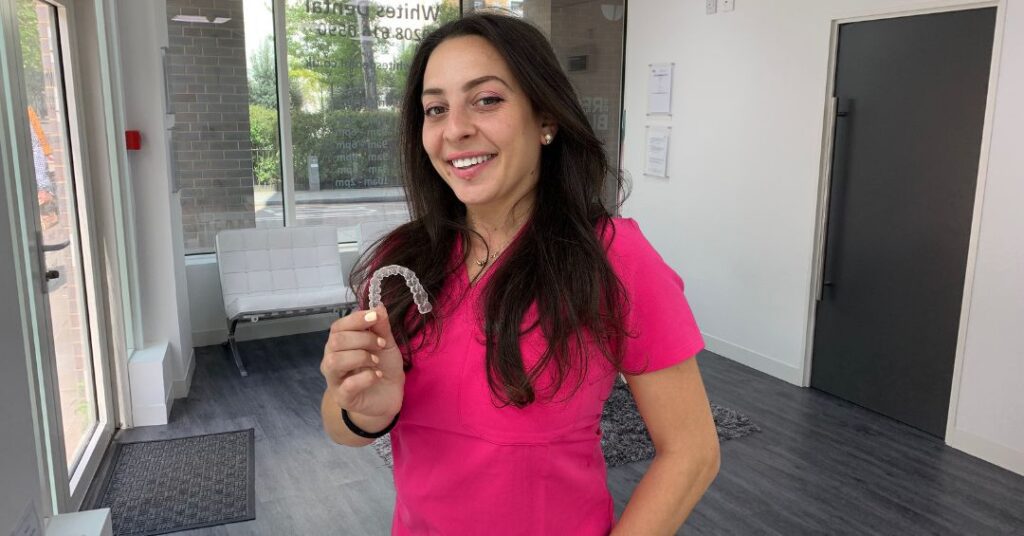


Most patients know that orthodontic treatment should be tailored to them.
What they often do not know is what that actually means in practice. It is easy to say a treatment plan is personalised, but real orthodontic planning goes far beyond choosing between braces and aligners. It involves understanding your bite, your tooth position, your goals, the complexity of the case, and how different treatment options may affect the final result.
That is why treatment planning matters so much.
A good orthodontist does not simply look at your teeth and suggest the same system they use for everyone else. They assess what is happening clinically, decide what needs to change, and build a plan around the movements, timing, and approach most suited to your case.
In this guide, we explain how an orthodontist creates a personalised treatment plan, what information goes into it, and why that planning process is such an important part of achieving a stable, well-functioning result.
Quick Answer: An orthodontist creates a personalised treatment plan by assessing your teeth, bite, spacing, crowding, jaw relationship, and treatment goals before deciding which approach is most suitable. They may use examination, scans, photos, and X-rays where needed to understand the case properly and plan how teeth should move over time. If you are exploring orthodontist London treatment, this planning stage is what turns a general consultation into a clear treatment route tailored to your case.
🔑 Key Takeaways
- A personalised orthodontic treatment plan is based on your teeth, bite, goals, and case complexity rather than a one-size-fits-all approach
- Orthodontists use examination, bite analysis, and records such as scans, photos, and sometimes X-rays to understand the case properly
- The treatment plan helps determine which system may be suitable, how teeth should move, and how long treatment may take
- Good planning considers both appearance and function, not just straightening visible teeth
- Two patients with similar-looking teeth may still need different treatment plans
- Clear explanation of the treatment plan is a major sign of a strong orthodontic consultation

🧭 Jump to:
What Is A Personalised Orthodontic Treatment Plan?
A personalised orthodontic treatment plan is a plan built around your specific teeth, bite, and treatment goals rather than a generic recommendation.
That means the orthodontist is not just asking, “Do you want braces or aligners?”
They are also asking:
- What is the actual orthodontic problem here?
- Is the case mainly cosmetic, functional, or both?
- What tooth movement is needed?
- How should the bite be managed during treatment?
- Which system is likely to work best for this patient?
A true treatment plan is about solving the right problem in the right way, not just choosing the most popular treatment type.
Why Personalisation Matters In Orthodontics
Two patients may both say they want straighter teeth, but that does not mean they need the same plan.
One may have:
- Mild crowding with a balanced bite
while another may have:
- Similar-looking crowding combined with a deeper bite issue
The surface concern may sound the same, but the treatment plan may need to be quite different.
What Does An Orthodontist Look At Before Creating A Treatment Plan?
Before a plan is created, the orthodontist needs a clear understanding of the case.
That usually begins with assessment of:
- Tooth position
- Crowding or spacing
- Bite relationship
- Jaw relationship
- Visible rotations, protrusions, or overlap
- Your treatment goals and preferences
This is why the planning process usually starts well before any appliance is fitted.
Records Often Support The Planning Stage
To understand the case more accurately, the orthodontist may also use:
- Clinical examination
- Photographs
- Digital scans
- X-rays where needed
These records help build a fuller picture of what is happening clinically.
If you want those foundations explained in more detail, this pairs naturally with What Does An Orthodontist Check At Your First Appointment? and Why Orthodontists Take Photos And Scans Before Treatment.
How Does An Orthodontist Use Your Goals In A Personalised Treatment Plan?
Your goals matter because orthodontic planning is not just technical. It also has to fit the patient.
For example, patients may care about:
- Discreet treatment
- How long treatment may take
- Whether the appliance is removable
- How practical treatment is around work, school, or daily life
A good orthodontist listens to those priorities without allowing them to override what is clinically sensible.
Why Preferences Matter But Do Not Decide Everything
A patient may strongly prefer aligners, for example, but that does not automatically mean aligners are the best option for every case.
The orthodontist still has to weigh:
- What the patient wants
- What the bite and teeth require
- Which option is likely to produce the most stable result
That balance is a big part of what makes a treatment plan genuinely personalised.
How Does Your Bite Affect An Orthodontic Treatment Plan?
The bite often has a major influence on the plan.
A patient may focus mainly on crooked teeth, but the orthodontist also has to consider:
- How the upper and lower teeth meet
- Whether there is too much overlap
- Whether some teeth bite inside or outside where they should
- Whether function is affected as well as appearance
This is where orthodontic treatment planning becomes much more than cosmetic straightening.
| What The Orthodontist Assesses | Why It Affects The Plan | Potential Impact On Treatment |
|---|---|---|
| Crowding or spacing | Shows how much movement may be needed | May influence whether braces or aligners are more suitable |
| Bite relationship | Function matters as well as appearance | May change how the case is sequenced or which appliance is recommended |
| Tooth rotation or protrusion | Some movements are more complex than they look | Affects treatment mechanics and likely timing |
| Patient goals and lifestyle | Treatment has to be workable in real life | Helps shape the most practical route |
Why Bite Diagnosis Changes Everything
If the bite is not properly understood, the plan may focus too narrowly on visible straightness.
That is risky, because orthodontic treatment should aim for:
- Improved alignment
- A more balanced bite
- Better long-term stability
This links closely with How Orthodontists Diagnose Bite Problems.
How Does An Orthodontist Choose Between Different Treatment Options?
Once the case is understood, the orthodontist can consider which treatment route makes the most sense.
That may involve discussing:
- Clear aligners
- Metal braces
- Ceramic braces
- Damon braces
The right choice depends on what the case needs, not just what sounds most appealing on paper.
Why One System Does Not Suit Everyone
A personalised treatment plan should explain:
- Which options are suitable
- Why one option may be preferred
- What trade-offs exist between discretion, control, convenience, and complexity
If a provider recommends the same solution for everyone, that is usually not a sign of particularly personalised planning.
If you are comparing orthodontist London options, this is one of the best questions to explore during consultation.
How To Compare Orthodontic Treatment Plans In London
If you are comparing orthodontic treatment plans from different London practices, avoid judging them only by the appliance name or headline price. Two plans may both mention Invisalign, braces or ceramic braces, but still differ significantly in diagnosis, bite planning, review structure, retainers, refinements and aftercare.
A useful comparison should look at:
- What problem each plan says it is treating
- Whether the bite has been assessed properly
- Which treatment options are suitable and why
- Whether retainers and aftercare are included
- How clearly the timeline, costs and limitations are explained
The best orthodontic treatment plan is not always the cheapest or fastest. It is the one that explains your diagnosis clearly and gives a treatment route that feels specific to your teeth, bite and long-term result.
How Does An Orthodontist Estimate Treatment Time In A Personalised Plan?
Treatment time is usually estimated based on the details of the case rather than guessed from the treatment type alone.
The orthodontist may consider:
- How much movement is needed
- Whether bite correction is involved
- How complex the tooth positions are
- Which treatment system is being used
This is why two patients using the same appliance may still have very different treatment times.
Why Timelines Need To Be Realistic
Patients often want a clear timeframe, which is understandable.
But a good orthodontist should aim for a realistic estimate, not a sales-friendly promise. A personalised plan should make the timeline feel believable rather than overly optimistic.
Why Might Two Similar-Looking Cases Need Different Orthodontic Plans?
Because cases that look similar from the outside are not always similar clinically.
One patient may have:
- Mild visible crowding with no major bite issue
Another may have:
- The same visible crowding plus a deeper bite pattern or more complex arch relationship
That is why orthodontists do not create strong treatment plans just by looking at front teeth.
What Makes A Plan Truly Personalised
A plan becomes personalised when it reflects:
- Your exact tooth position
- Your bite
- Your case complexity
- Your treatment goals
- The route most likely to produce a stable result
This is also why a proper planning stage matters so much.
Should An Orthodontist Explain The Treatment Plan Clearly?
Yes, absolutely.
Patients should not be left feeling that the plan exists only in the orthodontist’s head. A good orthodontist should be able to explain:
- What the problem is
- What the plan is trying to achieve
- Why a certain treatment option is recommended
- What the likely stages and timeline are
Clear explanation is one of the best signs that the planning is thoughtful rather than generic.
If you are researching specialist orthodontist London treatment, this kind of clarity is often one of the strongest trust signals you can get.
Can An Orthodontic Treatment Plan Change During Treatment?
Yes, sometimes. A personalised orthodontic treatment plan gives the case a clear direction, but teeth do not always move exactly as predicted. A good orthodontist will monitor progress and make adjustments where needed.
Depending on the treatment type, this may involve refinements with clear aligners, changes to wires or mechanics with fixed braces, or updated advice if the bite responds differently than expected.
This does not mean the original plan was wrong. It means orthodontic treatment is actively monitored rather than left to run on autopilot.
Does A Personalised Treatment Plan Include Retainers And Aftercare?
It should, yes.
Orthodontic treatment planning does not stop at getting the teeth into position. It also needs to think about how the result will be maintained afterwards.
That means a full plan may also include:
- Retainer planning
- Aftercare expectations
- What happens once active treatment ends
Teeth naturally have a tendency to move, so retention is part of the treatment plan, not a separate afterthought.
FAQs: How An Orthodontist Creates A Personalised Treatment Plan
Patients often hear that orthodontic treatment is personalised, but they are not always sure what that really means. These are some of the most common questions people ask about how treatment plans are actually created.
How Does An Orthodontist Create A Personalised Treatment Plan?
An orthodontist creates a personalised treatment plan by assessing your teeth, bite, spacing, crowding, jaw relationship, and goals before deciding which treatment route is most suitable.
What Does An Orthodontist Look At When Planning Treatment?
They usually look at tooth position, bite, crowding, spacing, case complexity, treatment goals, and records such as scans, photos, and sometimes X-rays.
How Do You Compare Orthodontic Treatment Plans?
Compare the diagnosis, treatment options, bite planning, expected timeline, total cost, retainers, refinements and aftercare. The best plan should explain your specific case clearly rather than simply naming an appliance.
Can An Orthodontic Treatment Plan Change During Treatment?
Yes. Teeth may not always move exactly as predicted, so an orthodontist may adjust the plan during treatment with refinements, wire changes or updated mechanics where needed.
What Makes An Orthodontic Treatment Plan Truly Personalised?
A truly personalised plan is based on your teeth, bite, spacing, jaw relationship, records, goals and lifestyle. It should explain why a particular treatment route suits your case.
Why Is Bite Assessment Important In An Orthodontic Treatment Plan?
Because treatment planning needs to consider how the teeth function together, not just how they look from the front. The bite can affect which treatment is suitable and how it should be carried out.
Can Two Patients Need Different Plans Even If Their Teeth Look Similar?
Yes. Similar-looking teeth can still involve different bite relationships, spacing patterns, or movement needs, which means the treatment plan may differ significantly.
Does A Personalised Treatment Plan Help Decide Between Braces And Aligners?
Yes. A good treatment plan helps the orthodontist judge which options are suitable and why one may be a better fit for the case than another.
Does The Orthodontist Use Scans And Photos To Build The Plan?
Often, yes. Scans and photos can help the orthodontist understand tooth position, bite, spacing, and the starting point more clearly.
Should An Orthodontist Explain The Treatment Plan Clearly?
Yes. A good orthodontist should explain what the problem is, what the plan aims to achieve, and why a certain treatment route is being recommended.
Does A Personalised Orthodontic Plan Include Retainers?
It should. Retainers and aftercare are important parts of keeping teeth in their new position after active treatment ends.
Looking For A Specialist Orthodontist In London?
If you want treatment that feels properly tailored to your teeth, your bite, and your goals, the best place to start is with a consultation that goes beyond surface-level straightening.
At Whites Dental, patients can explore specialist orthodontist London treatment options for adults, teenagers, and children, including Invisalign, metal braces, ceramic braces, and Damon braces.
Whether your case looks simple or more complex, a proper treatment plan is what turns general orthodontic advice into a route that actually fits you.
- ✅ Specialist-led orthodontic assessments
- ✅ Invisalign and fixed brace options
- ✅ Adult and child suitability
- ✅ Central London clinic locations
Author

Dr Deepa Chopra
Principal Dentist & Clinic Founder
GDC registration number: 124489
Membership of the Faculty of Dental Surgery from the Royal College of Surgeons of Edinburgh
Membership of the British Dental Association
Restorative Dentistry from Tipton
Align Invisalign profile
LinkedIn profile
Areas of Expertise: 20+ Years Dentistry Experience. General Dentistry, Cosmetic Dentistry, Restorative Dentistry, Invisalign, Composite Bonding, Veneers, Root Canals, Crowns, Dentures, Gum Disease, Hygienist Services, Emergency Dental Services & Teeth Whitening.