

Key Takeaway
Dentures come in several types, including acrylic, flexible and metal/cobalt, each available as full or partial options. Choosing the right type depends on your oral health, comfort, durability and lifestyle needs. Understanding the differences helps you make informed decisions about fit, function, and long-term oral care. Properly selected dentures improve chewing, speaking and confidence while maintaining your oral health. Consulting with a professional ensures you get dentures tailored to your unique requirements.
What Are Dentures And Why They Are Important

Dentures are removable appliances that are specifically designed to replace missing teeth in your mouth.
- They restore chewing and speaking function
- Help maintain facial structure and appearance
- Improve confidence and quality of life
- Prevent remaining teeth from shifting
Dentures are a key solution for tooth loss and can be customised based on the number of missing teeth and material preference.
💡 Regular dental check-ups ensure dentures fit correctly and support oral health.
Full Dentures: Complete Tooth Replacement
Full dentures replace all teeth in the upper or lower jaw. They are ideal when no natural teeth remain in the arch.
- Upper full dentures replace all the teeth in your top arch.
- Lower full dentures sit on the gum ridge with a U-shaped design.
- They restore full function for chewing and speaking
- Require proper fitting and adjustments over time
Full dentures rely on suction and sometimes adhesives to stay secure and maintain comfort.
💡 Full dentures may take time to adjust to but are essential for complete tooth replacement.
Partial Dentures: Filling The Gaps
Partial dentures replace one or several missing teeth and work alongside remaining natural teeth.
- Help prevent remaining teeth from shifting
- Attach using clasps or precision connectors
- Can be removed for cleaning
- Available in acrylic, flexible, or metal/cobalt options
Partial dentures restore function and appearance without the need to remove all remaining teeth.
💡 Ensure clasps or connectors are correctly fitted to avoid gum irritation and enhance stability.
Comparison: Different Types Of Dentures
| Feature | Acrylic Dentures | Flexible Dentures | Metal/Chrome Dentures |
|---|---|---|---|
| Material | Acrylic resin | Soft, lightweight thermoplastic | Metal/cobalt framework with acrylic teeth |
| Comfort | Lightweight but can feel bulky | Adapts to gums, highly comfortable | Strong but slightly rigid |
| Durability | Prone to wear and cracking | Flexible, moderate durability | Extremely durable and long-lasting |
| Suitability | Full or partial, cost-effective | Mostly partial, sensitive gums | Mostly partial, precise fit, heavy chewing |
| Appearance | Can look artificial over time | More natural-looking than acrylic | Natural teeth appearance, thinner base |
| Chewing Efficiency | Moderate | Moderate | High, supports stronger bite |
| Adjustability | Easy to adjust | Moderate adjustments possible | Requires professional adjustment |
| Lifespan | 3–5 years | 4–6 years | 5–10+ years |
Acrylic Dentures: Affordable And Widely Used
Acrylic dentures are made entirely from acrylic resin, making them lightweight and cost-effective.
- Often used for temporary or immediate dentures.
- Can be used for full or partial dentures
- Easy to adjust and repair.
- May feel bulky and less durable than premium options
Acrylic dentures are ideal for short-term use or as a starting point for those new to dentures.
💡 Regular adjustments are important as acrylic dentures can wear down or change fit over time.
Flexible Dentures: Comfort And Adaptability
Flexible dentures are made from soft, lightweight materials that adapt to the natural contours of the mouth.
- Ideal for individuals who have sensitive gums or have irregular ridges in their mouth
- Less likely to cause pressure sores than rigid dentures
- Can be used as partial dentures to fill gaps
- Offer improved comfort but may be slightly more expensive
- The ever popular Valpast dentures fall in this category of dentures
Flexible dentures are a great option for patients prioritising comfort while maintaining function. An affordable denture option in London.
💡 Ensure proper cleaning to prevent staining or material degradation.
Metal/Cobalt Dentures: Strength And Durability
Metal or cobalt-based dentures combine a metal framework with acrylic teeth to provide superior stability.
- Offer thin, strong bases that feel lighter in the mouth.
- Highly durable and long-lasting.
- Excellent for partial dentures due to precision fit
- Support better chewing efficiency than acrylic alone
Metal dentures are ideal for patients who need long-term durability and reliable support.
💡 Metal dentures are highly resistant to breakage, reducing the need for frequent repairs. They are considered some of the best dentures in London.
Types Of Dentures And Costs
Choosing the right type of dentures depends on your needs, budget, and desired comfort. Dentures vary in material, durability, and appearance, which directly affects cost. Understanding the options helps you make an informed decision for both short-term convenience and long-term oral health.
Cost Factors For Dentures
- Acrylic dentures are the most budget-friendly option, ideal for temporary or partial replacements.
- Flexible dentures (like Valplast) are mid-range, offering comfort and adaptability at a moderate price.
- Metal/chrome dentures are the most expensive but provide unmatched durability and longevity.
- Costs may also increase if multiple fittings or adjustments are needed during the adaptation period.
Cost Comparison Table
| Denture Type | Average Cost (UK) | Key Benefits |
|---|---|---|
| Acrylic | £300–£600 per arch | Economical, suitable for short-term use |
| Flexible (Valplast) | £500–£1,000 per arch | Comfortable, mid-range option |
| Metal/Chrome | £700–£1,500 per arch | Durable, premium long-term solution |
💡 Consider long-term comfort and durability, not just upfront cost, when selecting your dentures.
Choosing The Right Denture Type For You

Selecting the right denture depends on multiple factors, including oral health, lifestyle, and budget.
- Full dentures are best for complete tooth loss.
- Partial dentures suit patients with remaining natural teeth.
- Acrylic is cost-effective but less durable.
- Flexible offers comfort, metal/cobalt offers durability and strength
Consultation with a dental professional helps match the denture type to your specific needs for optimal comfort and function.
💡 Consider long-term usage and maintenance when deciding on your denture type.
Care Tips For Longevity
Proper care ensures dentures remain functional and comfortable for years.
- Clean dentures daily with a soft brush and recommended solutions
- Remove your dentures prior to going to sleep to allow your gums to rest
- Schedule regular dental check-ups for adjustments.
- Avoid exposing dentures to heat or harsh chemicals.
Following care instructions preserves both denture material and oral health.
💡 Consistent care extends the life of dentures and prevents oral irritation.
How Whites Dental In London Can Assist With Different Types Of Dentures
Whites Dental provides expert guidance for selecting the most suitable denture type for each patient.
- Professional consultation to evaluate oral health and denture needs
- Custom dentures in acrylic, flexible, or metal/cobalt for full or partial replacement
- Adjustment, relining, and maintenance services
- Convenient locations in Waterloo & Marble Arch for easy access
Our experienced team ensures patients receive high-quality dentures that offer the best balance of comfort, function and durability.
💡 Professional fitting and aftercare improve denture comfort and performance significantly.
FAQs
What Are The Main Types Of Dentures?
Dentures include acrylic, flexible, and metal/cobalt, available as full or partial options depending on tooth loss.
Can Flexible Dentures Replace All Teeth?
Flexible dentures are generally used as partial dentures; full dentures typically require rigid acrylic or metal bases.
How Long Do Metal Dentures Last?
Metal/cobalt dentures are highly durable and can last 5–10 years or longer with proper care.
Are Acrylic Dentures Comfortable?
Acrylic dentures are functional and lightweight but may feel less comfortable than flexible or metal options over time.
How Do I Know Which Denture Type Is Best For Me?
Consult a dental professional who can assess your oral structure, comfort needs and lifestyle to recommend the ideal denture type.
Author

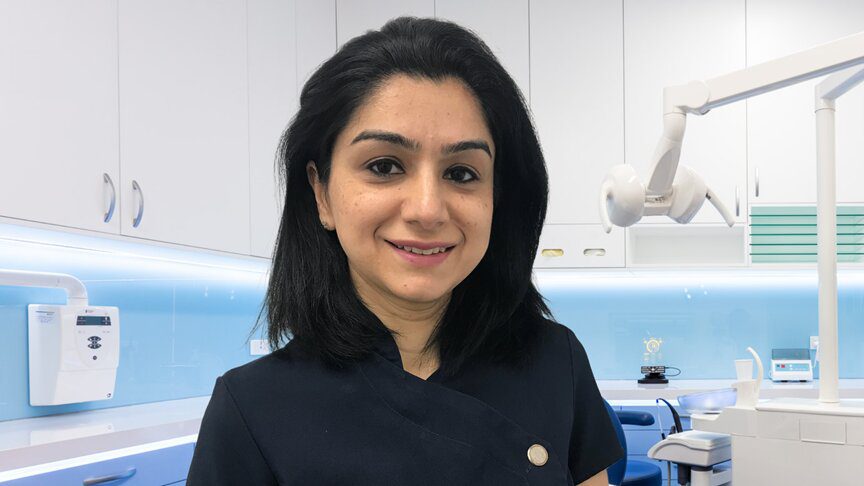
Dr Deepa Chopra
Principal Dentist & Clinic Founder
GDC registration number: 124489
Membership of the Faculty of Dental Surgery from the Royal College of Surgeons of Edinburgh
Membership of the British Dental Association
Restorative Dentistry from Tipton
Align Invisalign profile
LinkedIn profile
Areas of Expertise: 20+ Years Dentistry Experience. General Dentistry, Cosmetic Dentistry, Restorative Dentistry, Invisalign, Composite Bonding, Veneers, Root Canals, Crowns, Dentures, Gum Disease, Hygienist Services, Emergency Dental Services & Teeth Whitening.