

Key Takeaway
Periodontitis can remain untreated for months or even years, but the longer it progresses without professional care, the greater the risk of irreversible damage to the gums, supporting bone and teeth. Early diagnosis and appropriate periodontal treatment can help prevent complications, preserve natural teeth and improve long-term oral health outcomes.
What Happens When Periodontitis Is Left Untreated?

Periodontitis develops when bacteria accumulate below the gumline, causing inflammation and infection. Unlike early-stage gingivitis, periodontitis affects the deeper structures supporting the teeth and does not typically resolve without professional intervention. As the disease progresses, the gums begin to pull away from the teeth, creating pockets where bacteria can thrive. Over time, these pockets deepen, leading to progressive bone and tissue destruction.
Key consequences of untreated periodontitis include:
- Deepening periodontal pockets
- Progressive gum recession.
- Destruction of supporting jawbone
- Increased tooth mobility
- Eventual tooth loss
The rate of progression varies from person to person, but untreated disease almost always worsens over time.
💡 Even if symptoms seem mild, underlying damage may already be occurring beneath the gumline.
How Quickly Does Periodontal Disease Progress?
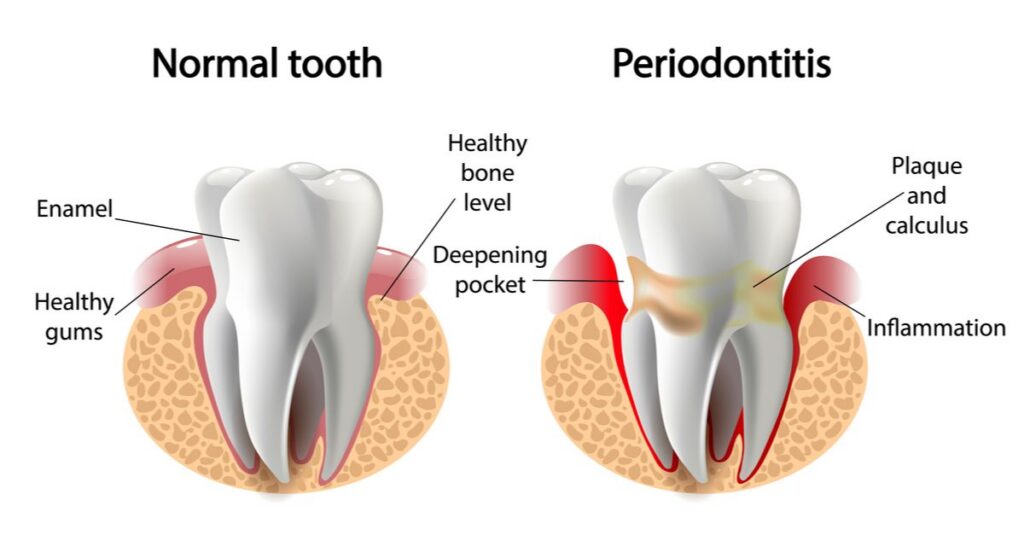
The progression of periodontal disease depends on several factors, including oral hygiene habits, genetics, smoking status, systemic health conditions, and immune response. Some patients experience slow progression over several years, while others may develop significant damage within a much shorter timeframe.
In many cases, the disease advances silently, with little discomfort until substantial tissue destruction has occurred. This is one reason why routine dental examinations play such an important role in early detection.
Factors that may accelerate progression include:
- Smoking or tobacco use.
- Poor oral hygiene practices.
- Uncontrolled diabetes
- Chronic stress
- Family history of gum disease
Patients who have multiple risk factors often require closer monitoring and earlier intervention.
💡 Regular dental assessments can identify disease progression long before obvious symptoms develop.
Can Periodontitis Remain Undetected For Years?
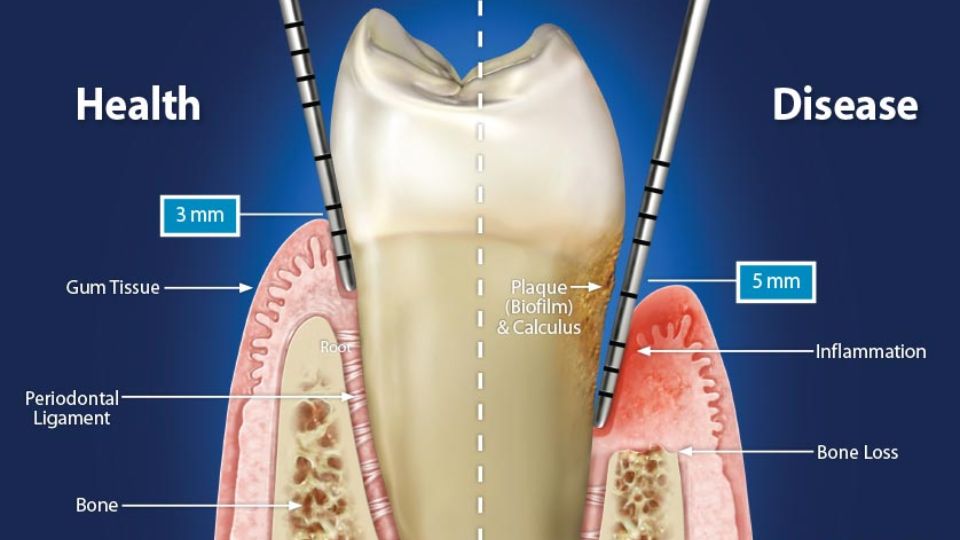
One of the most concerning aspects of periodontal disease is that it can remain unnoticed for extended periods. Many individuals experience little to no pain during the early and moderate stages. Because symptoms often develop gradually, patients may adapt to changes without recognising that a serious condition is present. Bleeding gums, persistent bad breath and gum recession are frequently overlooked until tooth mobility becomes apparent.
Common signs that may go unnoticed include:
- Occasional bleeding during brushing
- Chronic bad breath
- Mild gum tenderness
- Teeth appearing longer due to recession
- Small gaps developing between teeth
By the time severe symptoms appear, significant damage may already have occurred.
💡 Absence of pain does not indicate healthy gums. Professional examinations remain essential.
The Stages Of Untreated Periodontitis
Periodontitis typically progresses through several stages if left unmanaged. Understanding these stages highlights the importance of early intervention and ongoing periodontal care.
Early Stage Periodontitis
During the early stage, inflammation extends below the gumline. Some bone loss may already be present, although symptoms can remain relatively mild. Signs often include:
- Bleeding gums
- Mild swelling
- Persistent plaque build-up
- Early pocket formation.
Moderate Stage Periodontitis
As the condition advances, tissue destruction becomes more noticeable. Patients may begin experiencing increased sensitivity and visible gum recession.
Typical symptoms include:
- Deepening pockets.
- Greater gum recession
- Bone loss around teeth
- Increased tooth sensitivity
Advanced Stage Periodontitis
At this stage, substantial support structures have been lost. Tooth mobility and tooth loss become increasingly likely without prompt care. Common indicators include:
- Loose teeth
- Significant bone deterioration
- Difficulty chewing.
- Changes in bite alignment
💡 Seeking treatment during the early stage offers the best opportunity to preserve natural teeth and supporting structures.
Long-Term Risks Of Delaying Periodontal Treatment

Delaying periodontal treatment in London can create challenges that become more complex and costly to address later. As infection progresses, restorative procedures may become necessary in addition to gum therapy.
Beyond oral health concerns, researchers continue to study associations between severe gum disease and broader health conditions. While gum disease does not directly cause these conditions, chronic inflammation may contribute to overall health risks.
Potential long-term consequences include:
- Permanent bone loss.
- Tooth loss.
- Increased restorative treatment needs.
- Compromised chewing function
- Aesthetic concerns due to recession
The longer treatment is postponed, the greater the likelihood that damage will become irreversible.
💡 Early intervention is often less invasive, more predictable and more cost-effective than treating advanced disease.
When Should You See A Periodontal Specialist?
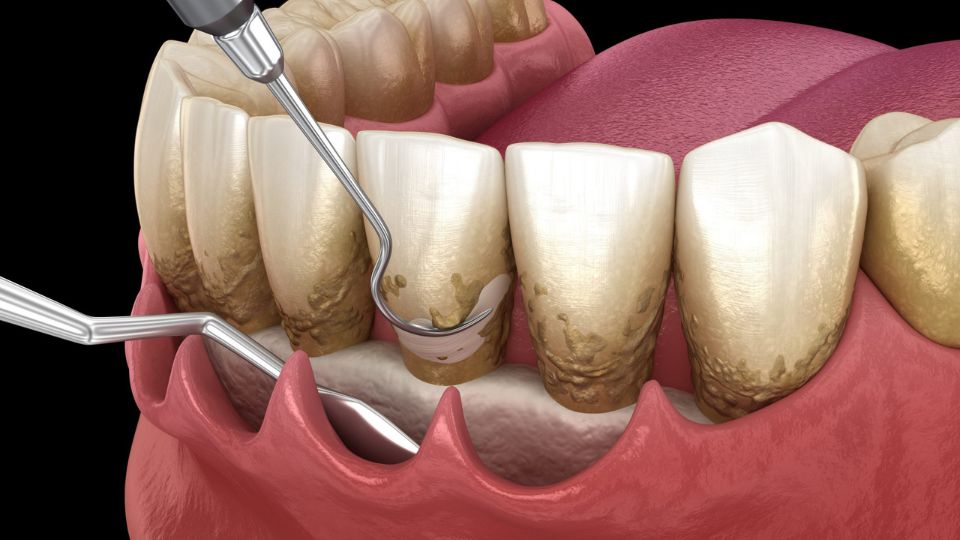
Patients should seek professional evaluation whenever signs of gum disease are present. A qualified periodontal specialist can assess disease severity, identify risk factors, and develop a tailored treatment plan. Prompt evaluation is particularly important if symptoms persist despite good oral hygiene practices. Early diagnosis allows for more conservative treatment approaches and better long-term outcomes.
You should arrange an assessment if you experience:
- Frequent gum bleeding
- Persistent bad breath
- Receding gums
- Loose teeth
- Gum discomfort or swelling
Comprehensive examinations may include pocket measurements, digital imaging and bone level assessments.
💡 The earlier a specialist evaluates your gums, the greater the opportunity to prevent permanent damage.
How Whites Dental Can Help If Periodontitis Has Been Left Untreated
If you are concerned about how long your periodontitis may have gone untreated, consulting an experienced specialist periodontist is an important first step. Early assessment can identify the extent of any damage and determine the most effective treatment approach.
At Whites Dental, patients receive comprehensive evaluations and personalised treatment plans designed to manage gum disease and protect long-term oral health. Whether periodontitis is in its early stages or has progressed significantly, the team can recommend appropriate care options to help preserve natural teeth wherever possible.
Whites Dental welcomes patients at its London locations in Waterloo and Marble Arch, providing access to advanced periodontal care in convenient central locations.
FAQs
How Long Can Periodontitis Go Untreated Before Tooth Loss Occurs?
There is no fixed timeline because progression varies between individuals. Some patients may experience tooth loss within a few years, while others may take considerably longer. However, untreated periodontitis consistently increases the risk over time.
Can Periodontitis Stop Progressing On Its Own?
No. Once periodontitis develops, professional treatment is typically required to control infection and prevent further damage.
Is Periodontitis Reversible?
The tissue and bone loss caused by periodontitis cannot usually be fully reversed. However, appropriate treatment can stop progression and help maintain remaining support structures.
What Are The Earliest Signs Of Periodontitis?
Early symptoms often include bleeding gums, gum inflammation, persistent bad breath, and mild gum recession.
Should I See A Specialist For Periodontitis?
Patients with moderate to advanced gum disease often benefit from evaluation by a periodontal specialist, particularly when bone loss or deep periodontal pockets are present.
Related Articles
- Scaling And Root Planing – The Deep Cleaning That Can Save Your Gums
- What Happens During A Periodontal Examination
Author

Dr Deepa Chopra
Principal Dentist & Clinic Founder
GDC registration number: 124489
Membership of the Faculty of Dental Surgery from the Royal College of Surgeons of Edinburgh
Membership of the British Dental Association
Restorative Dentistry from Tipton
Align Invisalign profile
LinkedIn profile
Areas of Expertise: 20+ Years Dentistry Experience. General Dentistry, Cosmetic Dentistry, Restorative Dentistry, Invisalign, Composite Bonding, Veneers, Root Canals, Crowns, Dentures, Gum Disease, Hygienist Services, Emergency Dental Services & Teeth Whitening.