

Key Takeaway
The results of periodontal treatment can last for many years when they are properly maintained. However, once gum disease has developed, it cannot truly be cured and can only be stabilised over the long term. The most important factor in preserving treatment outcomes is ongoing maintenance care, as regular reviews and professional monitoring help prevent recurrence. Lifestyle choices also play a significant role in determining how long results last, while early intervention generally leads to more durable and predictable outcomes. Conversely, skipping review appointments significantly increases the risk of relapse and disease progression.
Periodontal treatment is highly effective at stopping gum disease, relieving symptoms and protecting teeth. However, one of the most common questions patients ask after treatment is how long the results will last. Unlike a filling or crown, periodontal therapy manages a chronic condition rather than permanently eliminating it. The longevity of results depends on a combination of professional care, daily habits, and individual risk factors.
What Are Periodontal Results?
Periodontal results refer to the clinical improvements achieved after treatment for periodontal disease. These improvements are measured over time rather than immediately after therapy.
What Dentists And Periodontists Measure
Results are assessed using several indicators:
- Reduced gum inflammation
- Decreased bleeding
- Shallower gum pockets
- Stabilised bone levels
- Improved gum attachment
Successful treatment does not mean gum disease is gone forever. It means the disease is controlled and no longer actively causing damage.
Why Periodontal Results Are Different From Other Dental Treatments
Unlike restorative treatments, periodontal therapy manages an ongoing bacterial challenge. Plaque bacteria constantly reform, which means gum health requires continued care.
How Long Do Periodontal Results Typically Last?
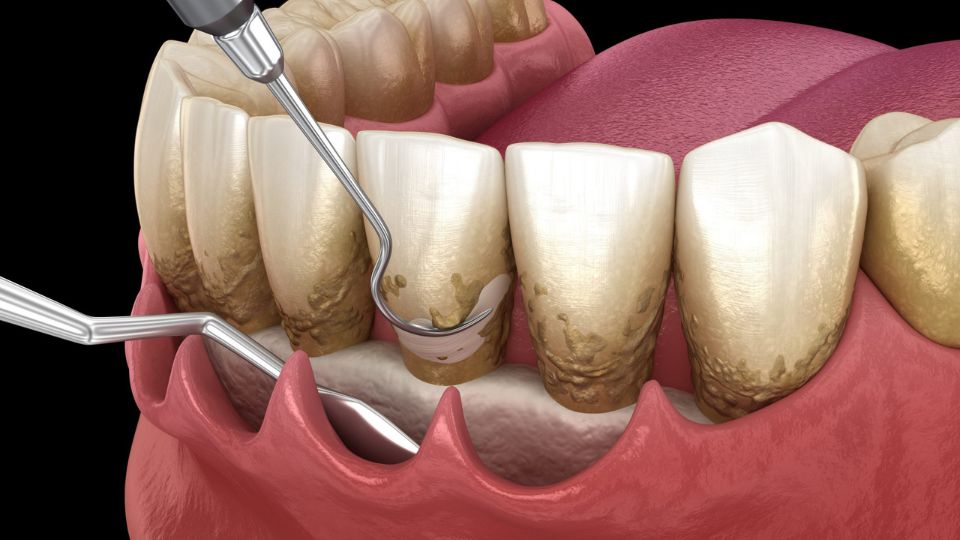
No single time duration applies universally to everyone. Periodontal results can last anywhere from several years to a lifetime, depending on maintenance and risk factors.
Short-Term Results
In the months following treatment:
- Gum inflammation reduces
- Bleeding decreases or stops
- Discomfort subsides
- Oral hygiene becomes easier
These early improvements are encouraging but fragile.
Long-Term Periodontal Results
With proper care:
- Gum pockets can remain stable for decades
- Bone loss progression can be halted
- Teeth can remain functional for life
💡 Without maintenance, relapse can occur within months.
Factors That Determine How Long Periodontal Treatment Results Last

Several variables influence the longevity of periodontal outcomes.
Severity Of Gum Disease At Diagnosis
Earlier-stage disease responds more predictably and lasts longer after treatment.
Advanced disease:
- Requires more intensive maintenance
- Has higher relapse risk
- Needs closer monitoring
Individual Immune Response
Some people naturally produce a stronger inflammatory response to plaque bacteria, increasing the chance of recurrence even with good hygiene.
The Role Of Periodontal Maintenance
Maintenance is the single most important factor in preserving periodontal results.
What Periodontal Maintenance Involves
Maintenance appointments typically include:
- Professional removal of plaque below the gum line
- Monitoring of gum pocket depths
- Early identification of inflammation
- Reinforcement of home care techniques
How Often Maintenance Is Needed
Frequency depends on risk level:
- Low risk: every 6 months
- Moderate risk: every 3–4 months
- High risk: tailored schedules
💡 Skipping maintenance is the leading cause of treatment failure. Visiting a periodontist in London regularly for maintenance is therefore vital.
How Home Care Affects Long-Term Results After Periodontal Treatment
Daily habits directly influence how long periodontal results last.
Effective Daily Oral Hygiene
Protective habits include:
- Brushing twice daily
- Cleaning between teeth every day
- Using tools appropriate for gum health
- Avoiding aggressive brushing
Consistency matters more than technique alone.
Why Interdental Cleaning Is Essential
Most periodontal relapse begins between teeth where toothbrushes cannot reach.
Lifestyle Factors That Shorten Periodontal Results
Certain behaviours dramatically reduce the lifespan of treatment outcomes.
Smoking And Vaping
Tobacco and nicotine:
- Reduce blood flow to gums
- Impair healing
- Mask bleeding signs
- Increase bacterial aggression
Smokers experience significantly higher relapse rates.
Stress And Overall Health
Chronic stress affects immune regulation and inflammation, making gums more vulnerable even after successful treatment.
Can Periodontal Disease Come Back After Treatment?
Yes. Periodontal disease can recur if maintenance lapses or risk factors remain unaddressed.
Signs Of Periodontal Relapse
Early warning signs include:
- Bleeding gums returning
- Persistent bad breath
- Gum tenderness
- Increasing pocket depths
Relapse is often painless in early stages.
Why Relapse Is Often Missed
Many patients assume treatment permanently solved the problem and stop attending reviews, allowing disease activity to resume unnoticed.
Differences Between Surgical And Non-Surgical Periodontal Results
The type of periodontal treatment can influence longevity.
Non-Surgical Periodontal Treatment
Effective for early to moderate disease when combined with maintenance.
Results last longest when:
- Treatment is thorough
- Maintenance is consistent
Surgical Periodontal Treatment
Used for advanced disease and complex cases.
Benefits include:
- Improved access for cleaning
- Better long-term stability in severe cases
💡 Surgery does not replace maintenance.
How Early Periodontal Treatment Improves Longevity

The earlier gum disease is treated, the longer results tend to last.
Benefits Of Early Periodontal Treatment
Early treatment:
- Preserves bone
- Requires less intensive therapy
- Responds better to maintenance
- Has lower relapse rates
💡 Delaying treatment shortens long-term success.
Long-Term Outlook For Patients With Periodontal Disease
Many patients maintain stable periodontal health for decades after treatment.
What Long-Term Stability Looks Like
Stable periodontal results include:
- No progressive bone loss
- Minimal inflammation
- Comfortable chewing
- Retention of natural teeth
💡 Success is measured over years, not weeks.
How Whites Dental Can Help Treatment Periodontal Disease In London
Whites Dental provides comprehensive periodontal treatment for gum disease focused on long-term stability, not short-term fixes.
Our approach includes:
- Accurate diagnosis and risk assessment
- Personalised periodontal treatment plans in London
- Structured maintenance programmes
- Ongoing monitoring by experienced clinicians
- Patient education to prevent relapse
- Highly trained periodontists
💡 By focusing on prevention and maintenance, Whites Dental helps patients protect their periodontal results for as long as possible.
FAQs
How long do periodontal results last with maintenance?
With regular maintenance and good home care, results can last many years or even a lifetime.
Can gum disease return after successful treatment?
Yes. Periodontal disease can recur if maintenance is missed or risk factors remain unmanaged.
Is periodontal maintenance really necessary?
Yes. Maintenance is essential to prevent bacteria from reactivating and causing further damage.
Do results last longer if periodontal treatment is done early?
Yes. Early-stage disease responds better and produces more durable results.
How will I know if my periodontal disease is returning?
Early signs include bleeding gums, gum tenderness, and increased pocket depths, often without pain.
Final Thoughts
Periodontal treatment is a powerful tool for stopping gum disease, but its success depends on long-term care. The question is not simply how long results last, but how well they are protected. With the right professional support, daily habits, and ongoing monitoring, periodontal results can remain stable for many years, allowing patients to keep their natural teeth and maintain healthy gums long term.
Related Articles
Author

Dr Deepa Chopra
Principal Dentist & Clinic Founder
GDC registration number: 124489
Membership of the Faculty of Dental Surgery from the Royal College of Surgeons of Edinburgh
Membership of the British Dental Association
Restorative Dentistry from Tipton
Align Invisalign profile
LinkedIn profile
Areas of Expertise: 20+ Years Dentistry Experience. General Dentistry, Cosmetic Dentistry, Restorative Dentistry, Invisalign, Composite Bonding, Veneers, Root Canals, Crowns, Dentures, Gum Disease, Hygienist Services, Emergency Dental Services & Teeth Whitening.