


Key Takeaway – Periodontal Exam
A periodontal examination is a detailed assessment of your gums, teeth and supporting bone designed to detect gum disease, measure its severity and guide the most effective periodontal treatment. It includes clinical checks, gum pocket measurements, X-rays, risk assessment and treatment planning. Early detection through a professional periodontal examination significantly improves gum disease treatment success and helps prevent tooth loss, bone damage and recurring gum disease.
Why A Periodontal Examination Is Essential For Gum Disease

Gum disease often progresses quietly, with minimal pain until advanced damage has already occurred. A periodontal examination allows a periodontist to identify disease activity beneath the gumline where routine brushing and standard dental checks cannot reach. A thorough periodontal assessment focuses on the health of the tissues and bone that support your teeth, not just the teeth themselves.
Key reasons a periodontal examination is essential include:
- Early detection of gingivitis and periodontitis
- Accurate measurement of gum attachment loss.
- Identification of bone loss linked to periodontal disease.
- Prevention of tooth mobility and tooth loss
- Creation of a tailored periodontal treatment plan.
Without a periodontal examination, gum disease can remain undiagnosed until it becomes complex and costly to treat.
💡 Even mild bleeding gums can signal early gum disease—periodontal examinations catch problems before permanent damage occurs.
When You May Need A Periodontal Examination
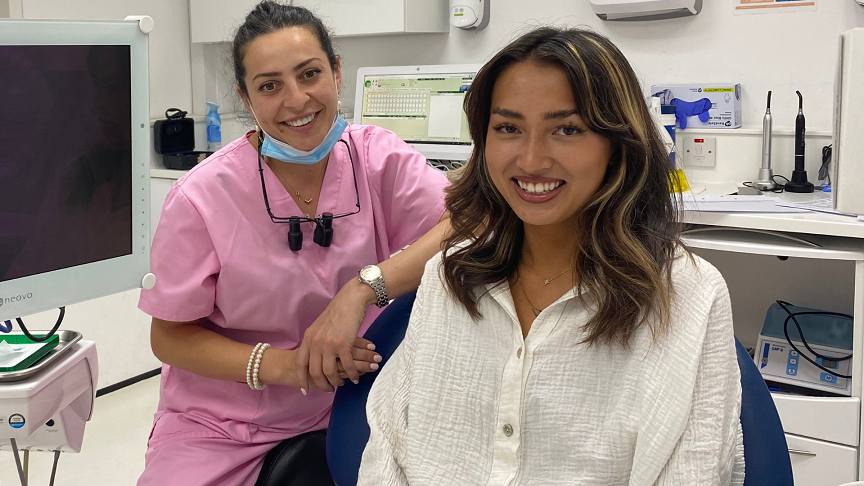
A periodontal examination may be recommended by your general dentist or sought directly from a periodontist if you have symptoms or risk factors linked to gum disease.
Common signs and situations that prompt a periodontal examination include:
- Bleeding gums when brushing or flossing
- Persistent bad breath linked to gum infection
- Gum recession or teeth appearing longer
- Loose or shifting teeth
- Pain, swelling or pus around the gums
- A family history of gum disease
- Smoking or previous periodontal treatment
- Medical conditions such as diabetes or pregnancy
Patients without obvious symptoms may still need a periodontal examination if routine dental checks reveal early warning signs.
💡 Gum disease does not always cause pain—regular periodontal assessments are crucial for silent cases.
Initial Periodontal Consultation And Medical History Review
Every periodontal examination begins with a detailed discussion about your dental and medical background. This step helps the periodontist understand factors that may influence gum disease progression or treatment outcomes. During this review, your periodontist will assess:
- Previous dental and periodontal treatments
- Oral hygiene routines and habits.
- Smoking or vaping history
- Medical conditions affecting gum health.
- Medications that impact healing or inflammation.
- Stress levels and lifestyle factors
This information helps identify why gum disease may have developed and how aggressively it may progress without treatment.
💡 Honest disclosure of medical history improves treatment safety and long-term periodontal success.
Visual Inspection Of Gums And Soft Tissues
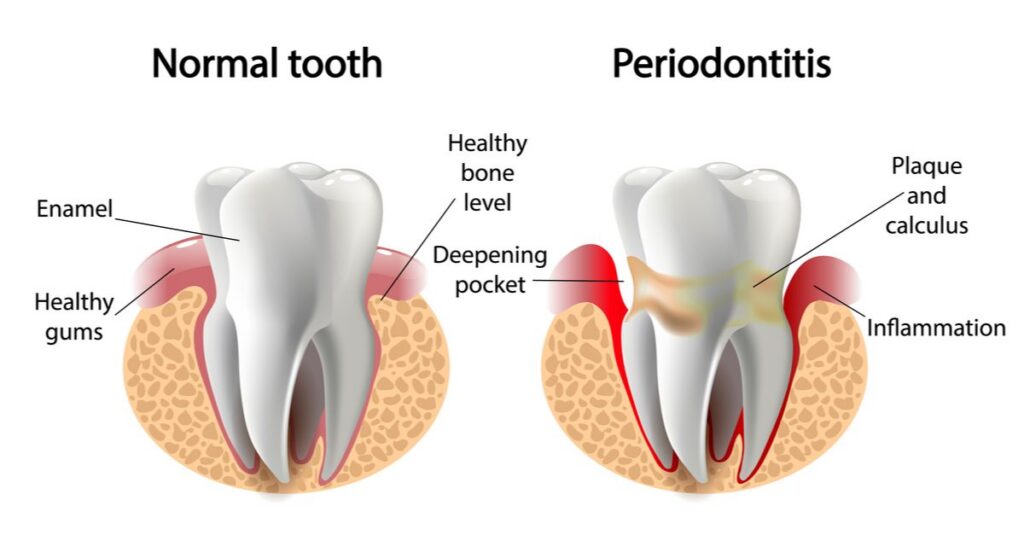
A visual examination allows the periodontist to assess the overall appearance of your gums and surrounding tissues. This step provides important clues about inflammation, infection and tissue damage.
The periodontist will look for:
- Redness or swelling along the gum margins.
- Changes in gum texture or firmness.
- Signs of gum recession.
- Ulceration or abnormal lesions
- Areas of visible plaque or calculus buildup.
Although visual inspection alone cannot diagnose advanced gum disease, it guides where deeper assessment is needed.
💡 Healthy gums should be firm, pink and non-bleeding—any changes warrant further investigation.
Measuring Gum Pockets During A Periodontal Examination
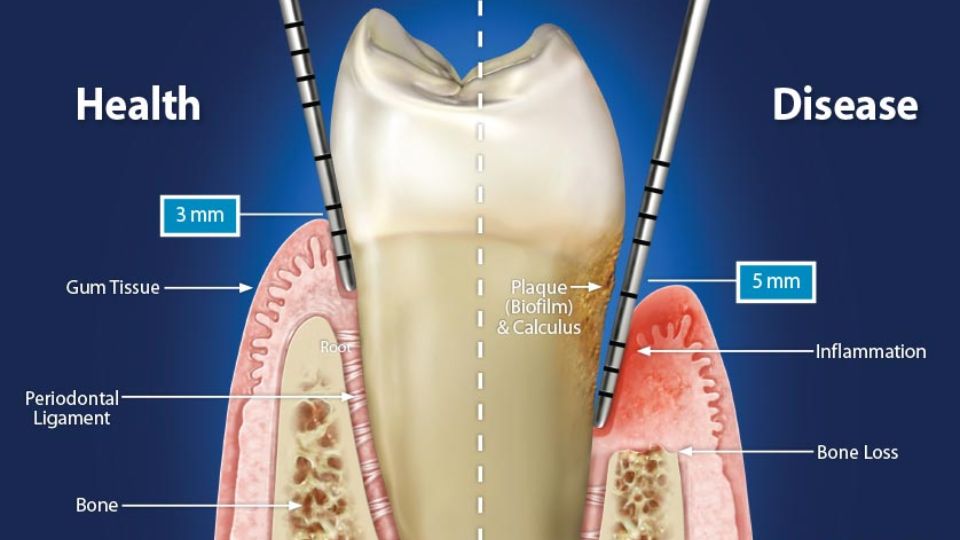
One of the most critical parts of a periodontal examination is measuring gum pocket depths using a periodontal probe. This reveals how much support has been lost around each tooth.
What Gum Pocket Measurements Reveal
Healthy gum pockets typically measure 1–3mm. Deeper pockets indicate gum disease progression. Pocket measurements help identify:
- Early gingivitis.
- Mild to moderate periodontitis
- Advanced periodontal gum disease
- Areas at high risk of further bone loss
Each tooth is measured at multiple points to create a full periodontal chart.
Why Pocket Depth Matters In Periodontal Treatment
Deeper pockets allow bacteria to thrive beyond the reach of brushing and flossing. This directly influences treatment recommendations. Based on pocket depth, periodontal treatment in London may involve:
- Professional cleaning and hygiene therapy
- Scaling and root planing.
- Periodontal surgery.
- Ongoing maintenance programmes
💡 Pocket depth is one of the most reliable indicators of active gum disease and treatment success.
Bleeding On Probing And Inflammation Assessment
Bleeding during gum probing is a strong indicator of inflammation and active infection. The periodontist records bleeding points to assess disease activity. Bleeding during examination may suggest:
- Active gingivitis
- Ongoing periodontal infection.
- Poor plaque control.
- Areas needing urgent periodontal treatment
Absence of bleeding usually indicates stable gum health or successful disease control.
💡 Bleeding gums are never “normal” during professional assessment and always require investigation.
Checking Tooth Mobility And Bite Stability In Regard To Periodontal Disease
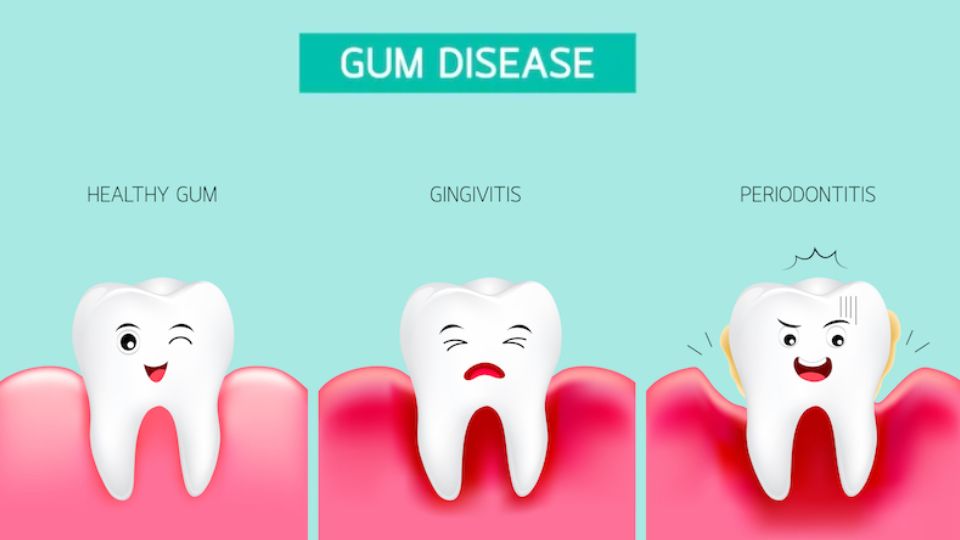
Gum disease affects not only soft tissues but also the bone supporting your teeth. As bone loss progresses, teeth may become loose or shift position. The periodontist will assess:
- Degree of tooth mobility
- Changes in bite alignment.
- Signs of trauma from biting forces.
- Impact of gum disease on chewing function
These findings help determine disease severity and whether additional stabilisation or splinting is needed.
💡 Tooth mobility often signals advanced periodontal disease and should be addressed promptly.
X-Rays And Imaging In Periodontal Examinations
Dental X-rays play a vital role in evaluating bone levels around teeth. Bone loss is a defining feature of periodontitis and cannot be seen without imaging.
What Periodontal X-Rays Show
X-rays allow periodontists in London to assess:
- Horizontal and vertical bone loss
- Bone defects between teeth
- Impact of infection on tooth roots
- Existing restorations affecting gum health
Advanced imaging may be recommended for complex cases.
How Imaging Guides Periodontal Treatment
X-ray findings help determine:
- Whether non-surgical treatment is sufficient.
- Need for surgical periodontal intervention.
- Prognosis for individual teeth
- Long-term maintenance requirements
💡 Bone loss seen on X-rays confirms periodontal disease severity and guides precise periodontal treatment planning.
Assessment Of Plaque, Tartar And Oral Hygiene During Your Periodontal Assessment
Plaque and calculus buildup are the primary causes of gum disease. During a periodontal examination, the periodontist evaluates how effectively plaque is being controlled. This assessment includes:
- Location and extent of tartar deposits
- Areas missed during daily cleaning
- Gum response to plaque accumulation.
- Need for tailored hygiene instruction.
Identifying these factors helps prevent disease recurrence after treatment.
💡 Even excellent brushing habits may miss areas that contribute to gum disease without professional guidance.
Risk Factor Analysis For Periodontal Disease Progression
Not all patients experience gum disease in the same way. A periodontal examination includes identifying individual risk factors that affect disease progression and treatment outcomes. Common risk factors include:
- Smoking or tobacco use.
- Diabetes and immune conditions.
- Genetic susceptibility
- Stress and poor sleep
- Hormonal changes
- Inconsistent dental attendance
Understanding these risks allows for personalised periodontal treatment plans.
💡 Managing risk factors is just as important as treating existing gum disease.
Diagnosing Gum Disease After The Periodontal Examination

Once all findings are collected, the periodontist diagnoses the stage and grade of gum disease. This determines how advanced the condition is and how quickly it may progress. Diagnosis may include:
- Gingivitis.
- Early periodontitis.
- Moderate periodontitis
- Advanced periodontal disease
Each diagnosis comes with different treatment and maintenance needs.
💡Accurate diagnosis ensures the right treatment at the right time—no more, no less.
How Periodontal Examination Findings Shape Treatment Plans
A periodontal examination is not just diagnostic—it directly informs treatment decisions. Every measurement and observation contributes to a personalised plan.
Gum disease treatment planning may involve:
- Non-surgical periodontal therapy
- Scaling and root planing.
- Periodontal surgery
- Antibiotic support where appropriate.
- Long-term periodontal maintenance.
The goal is always disease control, stability, and prevention of further damage.
💡Gum disease treatment in London is most successful when based on detailed examination findings.
Frequency Of Periodontal Examinations
The frequency of periodontal examinations depends on your gum health status and risk factors. General guidelines include:
- Annual examinations for healthy gums
- 3–6 monthly reviews for gum disease patients
- More frequent monitoring during active treatment
Regular reassessment ensures treatment success and early detection of recurrence.
💡 Periodontal disease requires lifelong monitoring to maintain results.
Emotional And Practical Concerns About Periodontal Examinations
Many patients feel anxious about periodontal assessments due to fear of discomfort or diagnosis. Modern periodontal examinations are gentle, thorough and focused on prevention. Patients often find reassurance in:
- Clear explanations of findings
- Visual aids such as charts and X-rays
- Step-by-step treatment planning.
- Supportive, specialist care.
💡 Understanding the process reduces anxiety and improves long-term engagement with care.
How Whites Dental Supports Periodontal Health
At Whites Dental, periodontal examinations are carried out by our gum disease specialists in London with precision, empathy, and a strong focus on long-term gum health. Patients receive comprehensive assessments that form the foundation of effective periodontal treatment. Whites Dental provides:
- Specialist periodontal examinations
- Advanced diagnostic tools.
- Evidence-based gum disease treatment
- Personalised maintenance programmes
- Clear communication at every stage
💡 Choosing a specialist practice improves early detection, treatment outcomes, and long-term gum stability.
The Role Of Periodontal Examinations In Lifelong Oral Health
Periodontal examinations are not one-time events—they are an ongoing part of protecting your smile. Gum disease is manageable, but only when monitored and treated consistently. Long-term benefits of regular periodontal examinations include:
- Reduced risk of tooth loss
- Improved overall oral health.
- Better systemic health outcomes
- Lower long-term dental costs.
- Greater confidence in your smile
💡 Regular periodontal examinations are an investment in lifelong oral and general health.
Final Thoughts On Periodontal Examinations
Understanding what happens during a periodontal examination empowers patients to take control of their gum health. This detailed assessment is the cornerstone of effective periodontal treatment and long-term disease prevention.
By identifying gum disease early, assessing bone health accurately, and tailoring treatment precisely, periodontal examinations help preserve teeth, gums, and overall wellbeing.
If you are concerned about bleeding gums, gum recession, or gum disease progression, a professional periodontal examination is the most important next step.
Related Articles
- Scaling And Root Planing – The Deep Cleaning That Can Save Your Gums
- How Periodontists Assess Bone Loss
Author

Dr Deepa Chopra
Principal Dentist & Clinic Founder
GDC registration number: 124489
Membership of the Faculty of Dental Surgery from the Royal College of Surgeons of Edinburgh
Membership of the British Dental Association
Restorative Dentistry from Tipton
Align Invisalign profile
LinkedIn profile
Areas of Expertise: 20+ Years Dentistry Experience. General Dentistry, Cosmetic Dentistry, Restorative Dentistry, Invisalign, Composite Bonding, Veneers, Root Canals, Crowns, Dentures, Gum Disease, Hygienist Services, Emergency Dental Services & Teeth Whitening.