


Choosing the right toothbrush plays an important role in managing gum disease, but it is often misunderstood. Many people assume that simply switching brushes can cure bleeding gums or reverse periodontal damage. In reality, toothbrush choice supports gum health, while professional gum disease treatment addresses the disease itself.
Key Takeaway
Electric toothbrushes are generally more effective than manual brushes for gum disease because they remove plaque more consistently and reduce brushing errors. However, no toothbrush can treat gum disease on its own. Lasting gum health depends on professional periodontal treatment and care, daily plaque control and long-term maintenance guided by a dental professional.
Understanding Gum Disease And Why Toothbrush Choice Matters

Gum disease starts in the mouth with the accumulation of plaque along your gumline. When plaque is not thoroughly removed, bacteria trigger inflammation, leading to gingivitis and, if untreated, periodontitis.
Toothbrushes matter because plaque is the primary driver of gum disease progression. Inconsistent or ineffective brushing allows bacteria to thrive below the gumline, where home care becomes increasingly limited.
Common gum disease symptoms linked to poor plaque removal include:
- Bleeding when brushing or flossing
- Red, swollen or tender gums
- Persistent bad breath.
- Gum recession
- Deepening periodontal pockets
While toothbrush choice influences plaque removal, it cannot replace professional gum treatment once disease is established.
💡 A toothbrush supports gum health, but periodontal treatment addresses the underlying infection causing gum disease.
How Plaque Removal Impacts Periodontal Health

Plaque is a soft biofilm that forms constantly on teeth and gums. If not removed daily, it hardens into calculus (tartar), which cannot be removed with brushing alone.
Effective plaque removal helps:
- Reduce gum inflammation.
- Slow periodontal pocket progression.
- Lower bacterial load around teeth.
- Improve healing after periodontal treatment
However, many people struggle with technique, pressure control, and consistency, especially when using a manual toothbrush.
💡 Even the best toothbrush is ineffective without correct technique and consistency.
Manual Toothbrushes And Gum Disease
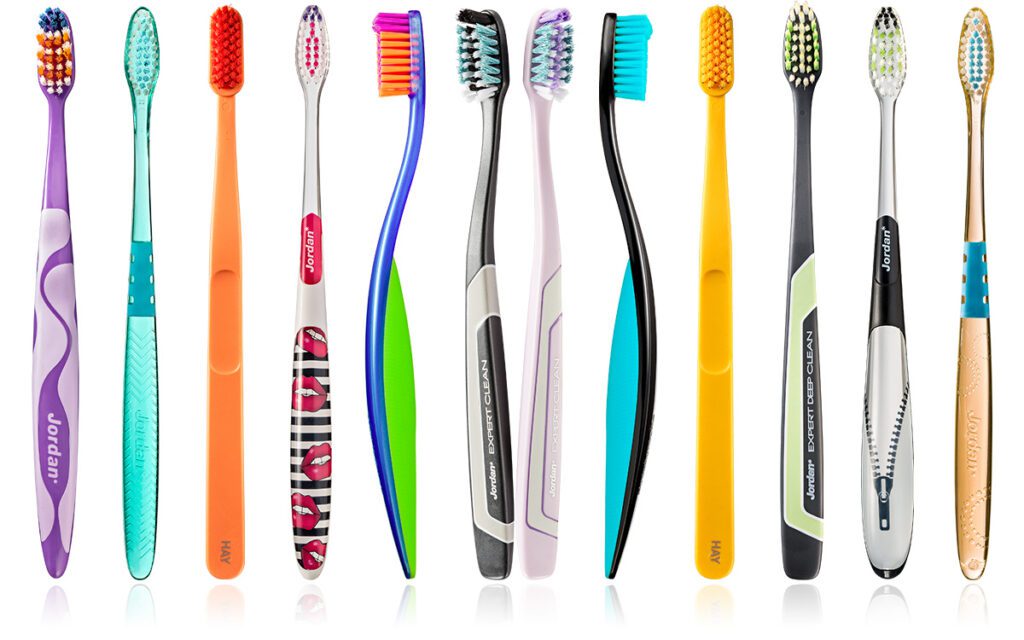
Manual toothbrushes can maintain gum health when used correctly, but they rely heavily on user skill. Many people brush too hard, miss gumline areas, or fail to brush long enough.
Advantages Of Manual Toothbrushes
Manual brushes can still be appropriate in some situations:
- Easy to access and inexpensive.
- No charging or batteries required.
- Useful for travel or backup brushing
- Suitable for people with excellent brushing technique
Limitations For Gum Disease Patients
For individuals with gum disease, manual brushing presents challenges:
- Inconsistent plaque removal.
- Higher risk of aggressive brushing and gum trauma.
- Difficulty reaching posterior teeth.
- Less effective around inflamed gum margins
Manual brushing often fails to clean effectively below the gumline, where periodontal disease develops.
💡 Manual toothbrushes require excellent technique, which many gum disease patients struggle to maintain long-term.
Electric Toothbrushes And Gum Disease Control

Electric toothbrushes are widely recommended for patients with gum disease because they remove plaque more efficiently and reduce technique-related errors.
Why Electric Toothbrushes Are More Effective For Gum Disease
Electric toothbrushes offer mechanical advantages that improve plaque removal:
- Oscillating or sonic motion disrupts plaque more thoroughly
- Consistent movement reduces reliance on hand technique.
- Built-in timers encourage adequate brushing duration
- Pressure sensors protect inflamed gums from damage
Studies consistently show that electric toothbrushes reduce gingival bleeding and plaque levels more effectively than manual brushing.
Types Of Electric Toothbrushes
Electric toothbrushes generally fall into two categories:
- Oscillating-rotating brushes
- Sonic vibration brushes
Both types are effective for gum disease when used correctly, especially when paired with professional periodontal care.
💡 Electric toothbrushes improve plaque control, especially for patients managing active or previous gum disease.
Electric Vs Manual Toothbrushes For Periodontitis / Gum Disease
Once gum disease progresses to periodontitis, plaque control becomes even more critical. Periodontitis involves bone loss, deep periodontal pockets and bacterial infection below the gumline.
Why Periodontitis Requires Enhanced Plaque Control
In periodontitis:
- Bacteria colonise deeper pockets.
- Gums detach from teeth
- Bone supporting teeth is gradually lost.
Home care alone cannot clean deep pockets, but better plaque control helps stabilise the condition after treatment.
Electric toothbrushes support periodontal care by:
- Improving gumline cleaning.
- Reducing inflammation after scaling and root planing
- Supporting long-term periodontal maintenance
Manual brushing may be insufficient for maintaining stability after periodontal treatment.
💡Electric toothbrushes support periodontal treatment outcomes but do not replace professional care.
Toothbrush Pressure And Gum Damage
One overlooked factor in gum disease progression is brushing pressure. Brushing too hard can worsen gum recession and inflammation.
Problems Caused By Excessive Brushing Force
- Gum recession.
- Tooth sensitivity
- Enamel wear.
- Increased bleeding
Electric toothbrushes with pressure sensors help prevent excessive force, making them safer for inflamed gums. Manual toothbrush users often apply too much pressure without realising it.
💡 Gentle brushing is essential for inflamed gums, regardless of toothbrush type.
Bristle Type And Head Design For Gum Disease
Toothbrush head and bristle selection also affects gum health.
Recommended Features For Gum Disease
- Soft or ultra-soft bristles.
- Small brush head for better access.
- Rounded bristle tips.
- Flexible neck design
Hard bristles should be avoided, as they increase gum trauma without improving plaque removal.
Electric toothbrush heads designed for gum care are often more effective than standard manual brush heads.
💡 Soft bristles protect inflamed gums while still removing plaque effectively.
Toothbrushes And Bleeding Gums
Bleeding gums often lead people to brush less or avoid affected areas. This allows plaque to accumulate further, worsening gum disease. Toothbrush choice influences how comfortably people brush bleeding gums.
Electric toothbrush benefits include:
- More controlled movement
- Reduced manual scrubbing
- Improved confidence when brushing tender areas
Manual brushing may feel harsher, leading to avoidance behaviours.
💡 Bleeding gums require better plaque removal, not less brushing.
Toothbrushes As Part Of Periodontal Treatment Plans For Gum Disease

Toothbrushes are not standalone treatments for gum disease. They form one component of a broader periodontal care plan. Professional periodontal treatment may include:
- Comprehensive periodontal examination.
- Scaling and root planing.
- Periodontal maintenance appointments
- Ongoing monitoring of bone levels
A periodontist often recommends electric toothbrushes as part of post-treatment maintenance.
💡 Toothbrushes support periodontal treatment, but professional care drives long-term success.
Common Toothbrush Myths In Gum Disease
Several myths prevent people from managing gum disease effectively.
Myth 1: A Better Toothbrush Can Cure Gum Disease
Toothbrushes help control plaque but cannot reverse bone loss or eliminate deep infection.
Myth 2: Bleeding Means You Should Stop Brushing
Bleeding indicates inflammation and requires improved plaque control.
Myth 3: Hard Bristles Clean Better
Hard bristles increase damage without improving cleaning.
💡 Toothbrush choice matters, but understanding gum disease matters more.
How Periodontists Advise Patients On Toothbrush Choice For Gum Disease Care
Periodontists consider several factors when recommending toothbrushes:
- Severity of periodontal disease.
- Manual dexterity.
- Existing gum recession
- Sensitivity levels.
- Compliance history
Electric toothbrushes are commonly advised because they simplify daily plaque control.
💡 Personalised recommendations outperform generic advice for gum disease care.
Long-Term Gum Health And Toothbrush Consistency: Gum Disease Management
Consistency matters more than brand or price. Even the best toothbrush fails if not used twice daily with proper technique. Long-term success depends on:
- Daily plaque disruption.
- Regular periodontal reviews
- Lifestyle factors such as smoking cessation.
- Commitment to maintenance
Electric toothbrushes often improve consistency due to built-in guidance features.
💡 Sustainable habits matter more than one-time changes.
How Whites Dental Supports Gum Disease Care
Whites Dental provides comprehensive periodontal care focused on long-term gum health, not temporary fixes. Toothbrush choice is discussed as part of a personalised periodontal treatment plan rather than isolated advice. At Whites Dental, patients benefit from:
- Detailed periodontal assessments.
- Evidence-based treatment planning
- Guidance on home care tools that support treatment.
- Ongoing periodontal maintenance
With periodontal disease dentists available in Waterloo and Marble Arch, our team supports patients with gum treatment across London.
💡 Professional guidance ensures your toothbrush choice supports, rather than replaces, periodontal treatment.
Final Thoughts On Electric Vs Manual Toothbrushes For Gum Disease
Electric toothbrushes are generally superior for managing gum disease because they improve plaque removal, reduce technique errors and protect inflamed gums. However, toothbrushes alone do not treat gum disease. True periodontal health depends on:
- Early diagnosis
- Professional periodontal treatment.
- Consistent home care.
- Long-term maintenance
Toothbrush choice should support a comprehensive periodontal care plan guided by dental professionals.
💡 The best toothbrush is the one that supports your gum disease treatment in London and helps you maintain daily plaque control consistently.
Author

Dr Deepa Chopra
Principal Dentist & Clinic Founder
GDC registration number: 124489
Membership of the Faculty of Dental Surgery from the Royal College of Surgeons of Edinburgh
Membership of the British Dental Association
Restorative Dentistry from Tipton
Align Invisalign profile
LinkedIn profile
Areas of Expertise: 20+ Years Dentistry Experience. General Dentistry, Cosmetic Dentistry, Restorative Dentistry, Invisalign, Composite Bonding, Veneers, Root Canals, Crowns, Dentures, Gum Disease, Hygienist Services, Emergency Dental Services & Teeth Whitening.