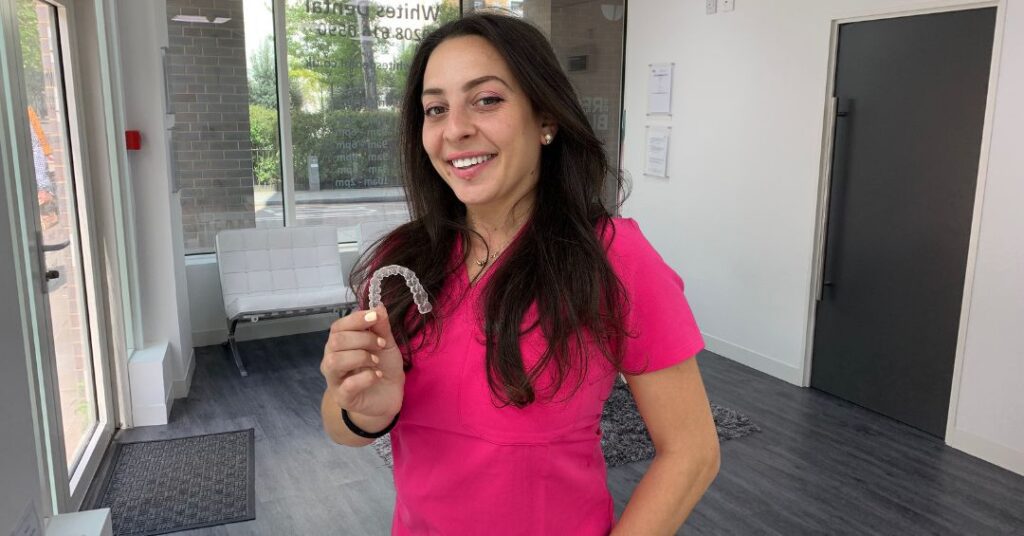


Orthodontic treatment is often talked about as though it is only for certain types of patient.
Teenagers. People with very crooked teeth. Patients whose bite problems are obvious straight away.
In reality, suitability is usually wider than that.
Many people who could benefit from orthodontic treatment do not realise they are suitable candidates at all. Some assume they are too old. Some think their teeth are not bad enough. Others are unsure whether their issue is mainly cosmetic or whether it is something an orthodontist would actually assess and treat.
That is why suitability should never be guessed at from photos or assumptions alone.
An orthodontist looks at tooth position, bite relationship, oral health, treatment goals, and the kind of result that may realistically be achieved. In this guide, we explain who is suitable for orthodontic treatment, what orthodontists assess before recommending treatment, and why suitability is often broader than patients expect.
Quick Answer: Many adults, teenagers, and children may be suitable for orthodontic treatment, depending on their teeth, bite, and treatment goals. Orthodontists assess alignment, bite issues, oral health, and the type of correction needed before recommending treatment. If you are considering orthodontist care, a consultation is the best way to find out whether treatment may suit you.
🔑 Key Takeaways
- Orthodontic treatment may suit adults, teenagers, and children depending on the case
- Suitability is based on alignment, bite, oral health, and treatment goals
- You do not need severely crooked teeth to be suitable for orthodontic treatment
- Adults are often suitable candidates for braces or aligner treatment
- A consultation helps show whether the issue is mainly cosmetic, functional, or both
- The best treatment depends on the type of correction needed and the wider orthodontic picture
Who Can Be Suitable For Orthodontic Treatment?
Many different types of patients may be suitable for orthodontic treatment.
That includes:
- Adults who want to improve alignment or bite
- Teenagers with developing orthodontic concerns
- Children who may benefit from early assessment
- Patients with cosmetic concerns
- Patients with bite problems as well as visible alignment issues
The key point is that suitability depends on the actual orthodontic picture, not on a simple rule like age or how dramatic the teeth look in the mirror.
Suitability Is Often Broader Than Patients Expect
A lot of people assume orthodontic treatment is only relevant if:
- The teeth are obviously crooked
- The bite problem is severe
- They are still in their teens
That is not always the case.
Some patients are suitable because of crowding. Others because of spacing. Others because the bite relationship needs attention. Some simply want a more even smile and are suitable for treatment once the orthodontist has assessed the case properly.
What Are Common Reasons For Orthodontic Treatment?
Common reasons for orthodontic treatment include improving crowded teeth, closing gaps, correcting teeth that have shifted, and improving bite problems such as overbite, underbite, deep bite, or crossbite.
Some patients seek treatment mainly for confidence and appearance. Others are suitable because the orthodontic issue may also affect bite balance, cleaning, or long-term stability.
What Does An Orthodontist Look At Before Recommending Treatment?
Before recommending treatment, an orthodontist assesses much more than whether the teeth look straight from the front.
They may look at:
- Tooth position
- Bite relationship
- Crowding or spacing
- How the upper and lower teeth meet
- General oral health
- The patient’s goals and expectations
This is why suitability is a clinical judgement, not something that can be confirmed properly from photos or guesswork alone.
If you are exploring orthodontist in London treatment, the consultation is where the real picture becomes clearer.
Why Suitability Is Not Only About Appearance
A smile might look only mildly uneven to the patient and still involve:
- A bite issue
- Tooth movement that affects stability
- Crowding that is more significant than it first appears
- Spacing or overlap that changes how treatment should be planned
This is one reason orthodontic assessment can reveal more than patients expect.
Can Adults Be Suitable For Orthodontic Treatment?
Yes, absolutely.
Adults are often suitable for orthodontic treatment. In fact, many adults only start exploring treatment later in life, either because their teeth have shifted, they never had treatment before, or they now want to improve a long-standing concern.
Adults commonly seek help for:
- Crowded teeth
- Spacing or gaps
- Bite problems
- Teeth that have shifted over time
- A smile they feel less confident about than they used to
At Whites Dental, patients exploring orthodontic treatment London options may be assessed for adult treatment using different systems depending on the case and goals involved.
You Are Not “Too Old” To Be Assessed
This is one of the most common misconceptions.
Adults often delay booking because they assume:
- Orthodontics is mainly for teenagers
- Their teeth are too settled to move
- Treatment is only worthwhile for severe cases
In reality, many adults are perfectly suitable for orthodontic treatment. The important thing is whether the teeth, bite, and wider oral condition make treatment appropriate.
Can Teenagers And Children Be Suitable For Orthodontic Treatment?
Yes.
Teenagers are one of the most common groups to be assessed for orthodontic treatment, but children may also be referred or brought for assessment when parents or dentists notice developing concerns.
That may include:
- Crooked teeth
- Crowding
- Spacing
- Bite problems such as overbite, underbite, deep bite, or crossbite
The exact timing depends on the case. Some children simply need monitoring. Others may benefit from orthodontic planning at the right stage of development.
Why Early Assessment And Immediate Treatment Are Not The Same Thing
A child being suitable for assessment does not automatically mean treatment starts straight away.
Sometimes the orthodontist will:
- Explain what the issue is
- Monitor development over time
- Recommend the best stage to begin treatment
That distinction is important. Suitability for orthodontic care may include suitability for review and planning, not only immediate treatment.
What Problems Can Make Someone Suitable For Treatment?
Patients may be suitable for orthodontic treatment for a wide range of reasons.
Common examples include:
- Crowding
- Spacing
- Gaps between teeth
- Teeth that have shifted over time
- Overbite
- Underbite
- Deep bite
- Crossbite
- General bite imbalance
This means suitability is often linked to problems patients may already recognise, even if they are not sure whether those concerns “count” as orthodontic.
| Orthodontic Concern | Why It May Matter | Why Assessment Helps |
|---|---|---|
| Crowding | Teeth overlap or sit unevenly | Shows whether alignment can be improved and how treatment should be planned |
| Spacing | Gaps may affect balance and appearance | Helps show whether the spacing is isolated or part of a wider issue |
| Bite problems | Upper and lower teeth may not meet properly | Clarifies whether treatment should focus on bite correction as well as appearance |
| Shifted teeth | Previous alignment may have changed over time | Shows what has moved and whether correction may help |
Suitability Often Starts With A Simple Concern
Patients often do not arrive saying, “I believe I am suitable for orthodontic treatment.”
They usually arrive with a simpler thought such as:
- My teeth look more crowded than they used to
- I do not like this gap
- My bite feels wrong
- I wonder whether braces or aligners could help
That is usually enough reason to get assessed.
Does Everyone Who Wants Straighter Teeth Qualify?
Not automatically.
Wanting straighter teeth is a perfectly valid reason to seek advice, but the orthodontist still needs to assess whether treatment is appropriate and how it should be planned. Suitability depends on the actual condition of the teeth and bite, not only on preference alone.
An orthodontist may need to consider:
- Whether the teeth and gums are in a suitable condition for treatment
- Whether the issue is orthodontic in nature
- Whether the patient’s goals are realistic
- Whether treatment is likely to achieve a stable result
If you are looking for a orthodontist patients may consider for suitability assessment, the key step is a proper consultation rather than trying to self-diagnose.
Why Suitability Needs A Proper Orthodontic Assessment
An orthodontist does not just decide whether treatment is possible.
They also explain:
- What the issue is
- Whether treatment is likely to help
- What kind of treatment may be suitable
- What kind of outcome is realistic
That clarity is one of the biggest benefits of the consultation itself.
What Can Affect Whether You Are Suitable?
Suitability is not only about whether teeth can be moved. The orthodontist also needs to consider whether treatment is sensible and safe for the patient.
Factors that may affect suitability include:
- Oral hygiene: teeth and gums need to be healthy enough before treatment begins
- Gum health: active gum problems may need attention before braces or aligners
- Tooth decay: dental issues may need treating first
- Commitment: patients need to attend appointments and follow care instructions
- Realistic expectations: the expected result needs to match what treatment can achieve
This is why a proper orthodontic assessment is so important. It helps confirm not only whether treatment is possible, but whether it is the right next step.
What Treatments Might Be Suitable Once Someone Is Assessed?
The exact treatment depends on the case, but once someone is found suitable for orthodontic treatment, options may include:
- Clear aligners
- Metal braces
- Ceramic braces
- Damon braces
The treatment is chosen based on the orthodontic problem being addressed, not simply on what the patient has heard of before.
Patients asking whether they are suitable for orthodontic treatment often also want to understand what happens at an orthodontist consultation, whether an orthodontist can help with crowded teeth, or whether treatment may still help if teeth have shifted over time.
Why The “Best” Option Depends On The Case
The most suitable system depends on:
- What needs correcting
- Whether the bite is involved
- How much control the treatment needs
- The patient’s goals and expectations
Private Orthodontic Suitability Vs NHS Eligibility
Private orthodontic suitability and NHS orthodontic eligibility are not the same thing.
Privately, suitability is usually based on whether treatment is appropriate for your teeth, bite, oral health, and goals. NHS orthodontic treatment has stricter eligibility rules and is usually focused on younger patients with a clear clinical need. The NHS explains that adult orthodontic treatment can begin at any age, but treatment should not begin unless oral hygiene is good enough because braces can increase the risk of tooth decay and gum problems.
So a patient may not qualify for NHS orthodontic treatment but may still be suitable for private orthodontic treatment after assessment.
FAQs: Who Is Suitable For Orthodontic Treatment?
Patients often ask whether orthodontic treatment is really for them or whether their teeth are suitable to be assessed. These are some of the most common questions.
Who Is Suitable For Orthodontic Treatment?
Many adults, teenagers, and children may be suitable for orthodontic treatment depending on their teeth, bite, oral health, and treatment goals.
Can Adults Be Suitable For Orthodontic Treatment?
Yes. Adults are often suitable for orthodontic treatment, including treatment for crowding, spacing, bite problems, or teeth that have shifted over time.
What Are Common Reasons For Orthodontic Treatment?
Common reasons include crowding, gaps, shifted teeth, overbite, underbite, deep bite, crossbite, and general bite imbalance.
Can Poor Oral Health Affect Orthodontic Suitability?
Yes. If there are active gum problems, tooth decay, or poor oral hygiene, those issues may need to be addressed before orthodontic treatment begins.
Is Private Orthodontic Suitability The Same As NHS Eligibility?
No. Private suitability is based on whether treatment is appropriate for your teeth, bite, oral health, and goals. NHS eligibility has stricter access rules and usually focuses on younger patients with clear clinical need.
Do Teeth Need To Be Very Crooked To Be Suitable?
No. Some patients are suitable for orthodontic treatment even when the issue seems mild, especially if the bite or overall alignment is involved.
Can Children Be Suitable For Orthodontic Treatment?
Yes. Children may be suitable for orthodontic assessment when developing concerns are noticed, although treatment does not always need to begin immediately.
What Does An Orthodontist Check Before Recommending Treatment?
They assess tooth position, bite relationship, oral health, the type of orthodontic problem present, and what treatment may realistically help.
Does Wanting Straighter Teeth Automatically Mean I Qualify?
Not automatically. The orthodontist still needs to assess whether treatment is appropriate and what kind of result may be realistic.
Can Someone Be Suitable For Treatment If Their Teeth Shifted After Braces?
Yes. Many patients who have had previous treatment are still suitable for orthodontic reassessment and possible correction.
Should An Orthodontist Explain Whether I Am Suitable Clearly?
Yes. A good orthodontist should explain whether treatment is suitable, what problem is being assessed, and what options may be available.
Looking For An Orthodontist In London To See If You Are Suitable For Treatment?
If you are wondering whether your teeth, bite, or smile concerns could be improved with braces or aligners, the best next step is a proper orthodontic assessment.
At Whites Dental, patients can explore orthodontist in London treatment options for adults, teenagers, and children, including Invisalign, metal braces, ceramic braces, and Damon braces.
Whether your concern is crowding, spacing, a bite problem, or teeth that have shifted over time, an orthodontic consultation can help show whether treatment may suit you and what the options may be.
- ✅ Specialist-led orthodontic assessments
- ✅ Invisalign and fixed brace options
- ✅ Adult and child suitability
- ✅ Central London clinic locations
Author

Dr Deepa Chopra
Principal Dentist & Clinic Founder
GDC registration number: 124489
Membership of the Faculty of Dental Surgery from the Royal College of Surgeons of Edinburgh
Membership of the British Dental Association
Restorative Dentistry from Tipton
Align Invisalign profile
LinkedIn profile
Areas of Expertise: 20+ Years Dentistry Experience. General Dentistry, Cosmetic Dentistry, Restorative Dentistry, Invisalign, Composite Bonding, Veneers, Root Canals, Crowns, Dentures, Gum Disease, Hygienist Services, Emergency Dental Services & Teeth Whitening.