

Gum recession, a common dental condition where the gum tissue pulls away from the tooth, can impact both the appearance and longevity of porcelain veneers. Patients seeking veneers often wonder whether they need to address gum recession first to ensure the veneers fit properly, look natural, and remain durable over time.
The truth is that treating gum recession before getting porcelain veneers is often essential, especially if the recession exposes tooth roots or compromises gum health. Understanding how gum recession affects veneer placement, aesthetics and oral health can help patients make informed decisions and achieve long-lasting results.
💡 Visit Whites Dental if you are considering a smile improvement with porcelain veneers in London. Our expert clinical team will be able to advice on any gum recession you may have along with suitability for veneers.
Key Takeaway
Gum recession should generally be treated before porcelain veneers to ensure proper veneer fit, prevent sensitivity and achieve optimal aesthetics. Untreated recession can lead to visible margins, compromised adhesion and potential long-term complications. By addressing gum health first, patients can enjoy natural-looking, durable porcelain veneers that enhance both smile appearance and oral health.
Understanding Gum Recession
Gum recession occurs when the gums gradually pull back from the teeth, exposing the roots. This can happen due to multiple factors including aging, gum disease, aggressive brushing or teeth grinding.
Causes Of Gum Recession
- Periodontal disease: Bacterial infection damages gum tissue and supporting bone
- Aggressive brushing: Using a hard toothbrush or brushing incorrectly can wear away gum tissue.
- Teeth grinding or clenching: Excessive force can stress gums and cause recession.
- Genetics: Some individuals are naturally prone to thinner gum tissue
- Misaligned teeth: Irregular positioning can create uneven pressure on gums.
Symptoms Of Gum Recession
- Teeth appear longer than normal
- Increased sensitivity to hot, cold or sweet foods
- Notable gaps between teeth and gums.
- Red, inflamed or bleeding gums.
💡 Early detection of gum recession is crucial. Addressing minor recession promptly prevents complications and improves outcomes for porcelain veneers.
Why Gum Health Matters Before Porcelain Veneers

Porcelain veneers rely on a stable and healthy gum foundation to ensure proper adhesion and aesthetics. Treating gum recession first enhances both the appearance and durability of veneers.
Ensuring Proper Veneer Fit
- Exposed roots from gum recession can prevent porcelain veneers from sitting flush.
- Uneven gum lines may lead to visible veneer margins
- Healthy gums provide consistent contours for precise veneer bonding.
Preventing Sensitivity And Decay
- Root exposure increases tooth sensitivity.
- Untreated recession can lead to root cavities
- Veneers over compromised gums may exacerbate sensitivity or fail prematurely.
Achieving Optimal Aesthetic Results
- Gum recession can make porcelain veneers appear too long or mismatched
- Treating gums first ensures even gum-to-tooth proportions.
- A healthy gum line enhances the natural appearance of the veneers.
💡 Addressing gum recession before porcelain veneers improves long-term success and creates a more natural, balanced smile.
Treatment Options For Gum Recession Before Porcelain Veneers
The approach depends on the severity of gum recession, overall oral health and aesthetic goals.
Non-Surgical Options
- Improved oral hygiene: Gentle brushing and flossing to prevent progression.
- Desensitising toothpaste: Reduces sensitivity from exposed roots
- Gum-friendly habits: Avoid aggressive brushing and excessive force
Surgical Or Cosmetic Interventions
- Gum grafts: Tissue is taken from the palate or donor source to cover exposed roots
- Pinhole surgical technique: Minimally invasive option to reposition gum tissue
- Laser therapy: Reduces bacterial load and encourages gum tissue regeneration
- Crown lengthening: Adjusts gum and bone to create optimal porcelain veneer placement.
💡An assessment with a periodontist, alongside a cosmetic dentist will help to determine the best course of treatment prior to having porcelain veneers.
How Gum Recession Impacts Porcelain Veneer Longevity
Porcelain veneers placed over compromised gums can fail or deteriorate prematurely.
Risks Of Placing Porcelain Veneers Without Treating Recession
- Poor adhesion: Veneers may not bond properly to exposed root surfaces.
- Increased risk of decay: Roots are more vulnerable to cavities.
- Aesthetic compromises: Veneers may appear mismatched with uneven gum lines
- Potential for gum irritation: Inflammation may occur around the veneer margins.
Benefits Of Treating Gum Recession First
- Stronger, more durable veneer bond.
- Reduced sensitivity and risk of future decay.
- Balanced and natural-looking smile.
- Long-term gum and oral health stability
💡Investing in gum treatment before porcelain veneers ensures that your smile remains beautiful and durable for years.
Evaluating Candidacy For Porcelain Veneers With Gum Recession
Not all patients with gum recession are automatically unsuitable for porcelain veneers, but evaluation is key.
Ideal Candidates
- Healthy overall oral hygiene.
- Mild to moderate gum recession that can be treated or corrected.
- Teeth without extensive decay or structural compromise
- Desire to improve aesthetics without invasive surgery beyond gum correction
When Additional Procedures Are Required
- Severe gum recession exposing significant root surfaces.
- Periodontal disease not fully controlled
- Thin gum biotype that may not support veneer margins without grafting
💡A cosmetic dentist can perform a full oral assessment to determine whether porcelain veneers can be safely placed or if preliminary gum treatment is required.
Steps To Prepare for Porcelain Veneers After Treating Recession
- Gum healing: Allow time for gum tissue to fully heal after grafting or contouring.
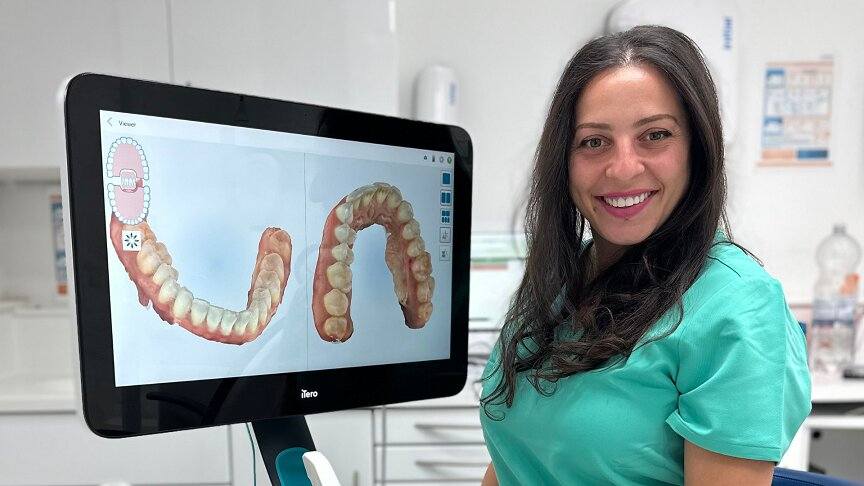
- Digital planning: Use digital smile design to plan veneer length and shape relative to the new gum line
- Tooth preparation: Minimal enamel is removed while respecting newly restored gum tissue.
- Temporary veneers: Used to test aesthetics and comfort during healing
- Final placement: Custom porcelain veneers bonded for a natural, long-lasting smile.
💡Proper healing and planning ensure porcelain veneers fit perfectly and look natural after gum treatment.
Tips To Maintain Porcelain Veneers After Treatment For Gum Recession
- Brush gently with soft-bristled toothbrush
- Floss very day in order to maintain healthy gums and to prevent gum recession in future
- Avoid biting hard foods directly with veneers
- Visit your dentist every 6 months for check-ups to keep an eye on your veneers and gums
- Use a fluoride based toothpaste while brushing in order to strengthen the roots of your teeth that are exposed
💡Ongoing care and regular maintenance helps to protect your porcelain veneers and also your gums, increasing the lifespan of your veneers.
How Whites Dental In London Can Help With Both Gum Recession And Porcelain Veneers
At our two clinics, Whites Dental specialises in porcelain veneers in London, including cases where patient’s have a history of gum recession.
- Our clinical team assesses whether gum treatment is required prior to placement of your veneers
- Using digital smile design, our dentists plan the shape and length of your porcelain veneers to align with your gum line.
- Treatments are customised to ensure long-lasting, natural results.
- Whites Dental has two convenient locations in Central London: Waterloo and Marble Arch.
💡Having an assessment with experienced veneers dentists helps to ensure your dental veneers are placed safely and in a visually appealing manner, even with prior history of gum recession.
Final Thoughts
Treating gum recession before getting porcelain veneers is often crucial to:
- Ensure proper veneer fit and adhesion
- Prevent sensitivity and root decay.
- Achieve a balanced, natural-looking smile
- Maximise longevity and oral health
Porcelain veneers can dramatically improve smile aesthetics, but healthy gums provide the foundation for a successful, durable and beautiful result. Working with a skilled cosmetic dentist ensures both gums and veneers are optimised for a confident, long-lasting smile.