

Key Takeaway
Porcelain veneers are strong, long-lasting restorations, but they can still crack, chip, debond or wear down over time. Understanding how and why damage occurs, the difference between repairable and non-repairable veneer problems, and when replacement is required helps you protect your smile and make informed decisions about maintenance. With the right dentist, advanced bonding techniques and correct aftercare, damaged porcelain veneers can be restored or replaced with excellent long-term results.
Understanding How Porcelain Veneers Become Damaged
Porcelain veneers are crafted from high-strength dental ceramic, engineered to be harder than natural enamel and resistant to staining. However, certain forces or clinical factors can lead to structural, functional or aesthetic issues.
Common ways damage occurs include:
- Impact to the mouth during sports or accidental trauma
- Biting hard foods, such as bones, ice, crusty bread or nuts.
- Bruxism, clenching or grinding.
- Old bonding cement weakening over time.
- Undiagnosed bite misalignment or uneven occlusion.
- Gum recession exposing veneer margins.
- Microfractures developing after many years of chewing force.
Porcelain is extremely durable, but like glass-ceramic, its strength is directional. Sudden force applied at the wrong angle can cause cracks that propagate through the material.
💡 If you notice sudden sensitivity, rough edges, or a visible line on a veneer, book an assessment quickly — early diagnosis prevents further damage.
Types Of Damage Seen In Porcelain Veneers
Not every dental veneer problem is the same. The treatment pathway depends entirely on the type of structural change.
Cracks In Porcelain Veneers
Cracks typically appear as fine hairline lines running across the surface.
They occur due to:
- Chronic grinding.
- Sudden impact.
- Old porcelain that has thinned or worn
- Incorrect initial tooth preparation.
Hairline cracks may remain purely cosmetic for years, but deeper cracks can eventually cause full fracture.
Chips On Porcelain Veneer Edges
Chips often occur along the incisal edge or corner. They range from tiny enamel-like nicks to larger missing segments.
They may result from:
- Hard biting
- Using teeth as tools
- Repetitive microtrauma.
- Minor grinding or clenching habits.
Some chips are repairable with resin, but others require replacement.
Debonding Or Loose Veneers
If the adhesive layer weakens, a veneer may begin to lift slightly or fall off completely. Causes include:
- Ageing bonding resin
- Inadequate tooth surface preparation
- Saliva contamination at initial fit.
- Force from misaligned bites.
- Gum recession reducing support.
Discolouration At Veneer Margins
The porcelain itself won’t stain, but the adhesive margin can darken.
This typically indicates:
- Microleakage.
- Old bonding cement.
- Recession exposing the margin.
- Wear of the natural tooth supporting the veneer
Full Veneer Fracture
This is rare but can occur when a veneer cracks through completely or breaks in half. Full fractures are not repairable — replacement is essential.
💡 Always document any porcelain veneer changes with photographs — this helps your dentist track progression and detect early deterioration.
How Dentists Diagnose Damaged Porcelain Veneers

Correct diagnosis determines whether a porcelain veneer can be repaired or requires replacement. A high-quality clinic will use multiple assessment tools.
Visual And Microscope Examination
Dentists look for:
- Surface cracks.
- Edge irregularities.
- Colour changes
- Chips
- Exposed natural tooth
High-magnification loupes or dental microscopes increase detection accuracy.
Bite And Occlusion Analysis
Misaligned bites place force on veneers. Dentists check:
- Contact patterns.
- Grinding pathways.
- Jaw positioning
- Overbite or underbite stresses
Transillumination
A bright light is passed behind the veneer. Cracks and delamination appear as shadows.
Digital Scans And High-Resolution Imaging
3D intraoral scanners map surface changes precisely.
Checking Veneer Margins
Fine tools evaluate whether the edges are sealed or lifting slightly.
💡Choose a dentist with experience in porcelain veneers — veneer diagnostics require specialist knowledge, not general-only assessment.
Can A Damaged Porcelain Veneer Be Repaired Or Does It Need Replacing?
Whether a porcelain veneer is repairable comes down to the type and extent of damage.
When Porcelain Veneers Can Be Repaired
Only minor issues qualify for repair:
- Tiny chips on the corner or edge.
- Small superficial cracks.
- Slight margin discolouration
- Minimal debonding where the veneer is still securely attached
Dentists typically use high-performance composite resin to smooth, rebuild or disguise imperfections.
Repairs are:
- Quick.
- Cost-effective
- Not structurally identical to porcelain
- Temporary for many patients
When Replacement Is The Better Option
Replacement is required when:
- The porcelain veneer has deep cracks.
- A piece has broken off.
- The veneer has debonded fully.
- Porcelain has fractured through.
- There are structural weaknesses.
- Aesthetic changes are significant.
- Bonding cement underneath is failing.
- Bite conditions would make repair unstable
Replacement ensures longevity and structural integrity.
💡 If your porcelain veneer is already 8–15 years old, replacing rather than repairing often provides better long-term results.
Repair Options For Damaged Porcelain Veneers
When a porcelain veneer is repairable, dentists have several modern methods to restore appearance.
Composite Rebuilding For Small Chips
A high-quality composite resin is matched to your veneer shade and bonded to fill missing areas.
Benefits include:
- Quick appointment.
- Minimal cost
- Immediate cosmetic improvement
Limitations:
- Composite is more porous than porcelain
- Colour stability is lower
- Not suitable for large damage
Polishing And Refinishing For Superficial Cracks
Polishing removes superficial defects, smooths edges and restores shine.
Best for:
- Hairline cracks.
- Small abrasions
- Surface roughness
Edge Recontouring
Small uneven edges can be reshaped carefully without compromising veneer integrity.
Bonding Margin Sealing
If the cement line is exposed or stained, dentists can:
- Remove superficial resin.
- Apply fresh bonding material.
- Improve aesthetics.
- Reduce risk of decay at margins
💡 Repairs blend best when performed by cosmetic dentists skilled in micro-aesthetic work — general repairs may not match perfectly.
Replacement Options When Porcelain Veneers Cannot Be Repaired
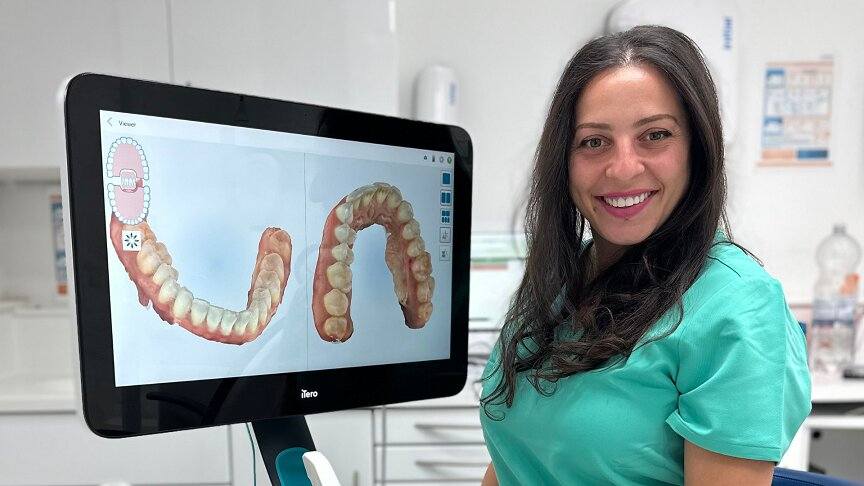
If replacement is necessary, preparation and planning are essential for achieving the same — or better — cosmetic result.
Removing The Damaged Veneer
The dentist gently removes the existing veneer using:
- Ultrasonic vibration.
- Precise dental burs
- A non-traumatic separation technique
A high-quality cosmetic dentist protects underlying enamel throughout.
Assessing The Tooth Surface
After removal, dentists evaluate:
- Enamel thickness;
- Any decay that may have formed under the veneer
- Bonding surface stability
- Need for re-preparation
Designing A New Porcelain Veneer
This involves:
- Updated digital scans
- Colour shade selection
- Smile-frame planning
- Matching translucency and brightness;
Natural-looking porcelain requires detailed planning — especially if only one veneer is being replaced.
Creating The New Porcelain Veneer
High-end labs create porcelain veneers using:
- Multi-layered porcelain.
- Advanced ceramic systems.
- Precision milling and hand-finishing
Bonding The Replacement Porcelain Veneer
The new veneer is bonded using:
- Strong resin adhesives.
- Isolation techniques
- Controlled curing light
This ensures long-term stability and prevents premature debonding.
💡 If one porcelain veneer is replaced, consider updating nearby veneers for perfect colour matching — older porcelain may not match new ceramic shades. Visit our veneers dental clinic in London for advice.
Understanding Why Porcelain Veneers Crack Or Chip
To prevent future damage, it helps to understand why it occurred.
Mechanical Forces
Porcelain veneers can only withstand certain forces. Biting nails, pen caps or hard objects concentrates pressure at fracture points.
Bruxism Or Night Grinding
Grinding creates lateral forces that porcelain was not designed to withstand. Symptoms include:
- Morning jaw pain
- Smooth worn teeth
- Scalloped tongue edges;
- Headaches.
A night guard is essential for porcelain veneer longevity.
Incorrect Bite Alignment
If porcelain veneers contact too early when chewing, pressure builds over time and leads to cracks.
Bonding Issues
If the adhesive layer weakens, micro-movement occurs between tooth and porcelain — eventually causing damage.
Natural Ageing
Even premium porcelain gradually weakens with years of chewing forces.
💡 Ask your dentist for a bite evaluation every 6–12 months — adjusting your bite slightly can prevent cracks before they happen.
How To Prevent Porcelain Veneers From Getting Damaged
Preventative strategies significantly extend porcelain veneer lifespan.
Protective Habits
- Avoid using teeth as tools.
- Don’t bite ice or very hard foods.
- Wear a night guard if you grind
- Use a soft toothbrush
- Maintain good gum health.
Routine Dental Monitoring
Regular check-ups allow early detection of:
- Margin wear
- Microcracks
- Bonding changes.
- Gum recession
Bite Adjustments
Small adjustments ensure even distribution of chewing force.
Sports Protection
Wear a custom sports mouthguard during contact sports.
💡 Porcelain veneers last longest when treated like natural enamel — with care, awareness and protective habits.
How Gum Recession Affects Porcelain Veneers And Causes Damage
Gum recession is a leading cause of veneer ageing and detachment. When gums recede:
- Veneer margins are exposed.
- Bonding lines darken.
- Sensitivity may increase.
- Bacteria can infiltrate margins
- The veneer loses support
- Cracks and chips become more likely
Mild recession can be managed, but advanced gum recession sometimes requires periodontal treatment before veneer replacement.
💡 If you notice your porcelain veneers look longer or the margin is visible, book a review — early intervention prevents deeper problems.
Long-Term Maintenance For Porcelain Veneers After Repairs Or Replacement
Even after the issue is fixed, correct long-term care is essential. Long-term strategies include:
- Seeing your dentist every 6 months
- Wearing a custom night guard.
- Avoiding abrasive toothpaste
- Using alcohol-free mouthwash to protect bonding resin.
- Keeping gums healthy with regular hygienist visits.
- Avoiding sudden temperature extremes like ice chewing
💡 Porcelain veneers don’t require complicated care — consistent gentle maintenance provides the best longevity.
How Whites Dental In London Can Help Repair Or Replace Your Existing Porcelain Veneers
At Whites Dental, our clinical team is focused on cosmetic dentistry treatment, with a strong focus on porcelain veneer treatments, porcelain veneer repairs and full smile enhancements. Our clinicians use advanced diagnostic tools, high-strength ceramics, digital scans and precision bonding protocols to ensure excellent veneer stability, aesthetics and longevity.
If you have cracked, chipped or aged porcelain veneers, our team assesses whether repair or replacement will provide the best long-term outcome, considering tooth health, bite forces and aesthetic goals. Whether you need a single porcelain veneer replacement or a complete smile restoration, we provide highly personalised care.
Whites Dental is located in Waterloo and Marble Arch, offering convenient access for patients across Central London.
FAQs: Fixing Damaged Porcelain Veneers (Cracks, Chips & Replacement)
Can A Cracked Porcelain Veneer Be Repaired?
Only superficial cracks can be repaired. Deep or structural cracks require replacement for long-term stability.
How Do I Know If A Porcelain Veneer Needs Replacing?
If it is loose, fractured, deeply cracked, or repeatedly debonding, replacement is almost always necessary.
Can Bonding Under A Porcelain Veneer Fail Over Time?
Yes — bonding resin ages, and micro-leakage can lead to margin discolouration or looseness.
Will A Replacement Porcelain Veneer Match My Other Veneers?
Yes, when designed and planned by a skilled dentist and technician. Older porcelain veneers may require to be refreshed to achieve a perfect matching of veneer shade.
How Long Does Porcelain Veneer Repair Last?
Composite repairs last months to years, depending on size and bite forces, but they are not as durable as porcelain.
Can Grinding Cause Porcelain Veneers To Break?
Yes — bruxism is a leading cause of veneer cracks and fractures. A night guard is essential.
Does Porcelain Veneer Replacement Hurt?
Replacement is usually painless, as the underlying tooth is already prepared and only light re-preparation is needed.
How Long Do Replacement Porcelain Veneers Last?
With proper care, 10–15 years on average, though many last longer.