


Key Takeaway
- Flossing cannot reverse periodontal disease, but it can prevent early gum inflammation from progressing into periodontitis.
- Once periodontal disease develops, professional treatment with a dentist or periodontist is essential to stop further bone and tissue damage.
- Flossing remains a crucial daily habit for long-term gum health and preventing reinfection after treatment.
- Consistent flossing supports healing after periodontal therapy and helps maintain healthier gums.
- The earlier plaque is removed from between teeth, the lower the risk of gum disease becoming chronic.
Understanding The Role Of Flossing In Gum Health
Flossing is one of the simplest and most effective tools for removing plaque from areas a toothbrush cannot reach—especially between the teeth and along the gumline. Because gum disease begins with plaque accumulation, flossing plays a significant role in early prevention.
However, many people believe flossing alone can reverse gum disease once it has progressed into periodontal disease. This misunderstanding can cause delays in seeking professional treatment, leading to worsening symptoms such as gum recession, bone loss and loose teeth.
To understand where flossing fits into the treatment and prevention of gum disease, it’s important to distinguish between gingivitis (a reversible condition) and periodontal disease (a chronic condition requiring professional intervention).
💡 Visit a periodontal clinic in London to see how to maintain your gum health over the long term.
Can Flossing Reverse Early Gum Disease (Gingivitis)?

Yes—flossing can help reverse gingivitis, the earliest stage of gum disease. Gingivitis occurs when plaque buildup irritates the gums, causing:
- Redness
- Mild swelling
- Bleeding when brushing or flossing
- Occasional bad breath
At this stage, the inflammation is limited to the gum tissue and has not yet caused bone loss. Because gingivitis is caused by plaque, consistent flossing removes the bacteria triggering inflammation, allowing the gums to heal naturally.
💡 Most cases of gingivitis can improve within 7–14 days with consistent daily flossing, proper brushing and routine hygiene visits.
Can Flossing Reverse Periodontal Disease?
No—flossing alone cannot reverse periodontal disease.
Periodontal disease (also known as periodontitis) occurs when inflammation spreads deeper below the gumline and begins to damage:
- Supporting bone
- Connective tissue
- Tooth stability.
Once this deeper tissue breakdown begins, flossing cannot undo it. Periodontal disease requires specialist treatments such as:
- Deep cleaning (scaling and root planing)
- Specialist periodontal therapy
- Ongoing maintenance to stabilise the condition
💡 Flossing remains important during and after these gum disease treatments, but it cannot resolve the disease on its own. This is why early detection and professional intervention are essential.
Why Flossing Cannot Reverse Periodontitis
The reason flossing cannot reverse periodontal disease lies in the way the condition progresses. When plaque is not removed, it eventually hardens into calculus (tartar). This hardened buildup becomes tightly bonded to the root surface beneath the gums. At this point, brushing and flossing cannot remove it.
Below the gumline, bacteria release toxins that:
- Create chronic infection.
- Destroy the ligament that holds the tooth in place
- Cause gum pockets to develop between your teeth and the gum tissue
- Lead to progressive bone loss
Once these structural changes occur, flossing cannot repair the damage.
💡 Only professional periodontal treatment can clean deep pockets, stabilise the tissues and prevent further deterioration.
The Stages Of Gum Disease: When Flossing Helps And When It Doesn’t
1. Gingivitis (Reversible)
- Flossing is highly effective
- Can reverse inflammation completely
- Bleeding gums usually improve within days
2. Early Periodontitis
- Flossing cannot reverse structural damage
- Helps reduce plaque but not deep deposits
- Professional cleaning needed to remove tartar
3. Moderate To Advanced Periodontitis
- Flossing alone cannot stop progression
- Essential for maintenance but not treatment
- May require specialist intervention, deep cleaning, or advanced periodontal therapy
💡 Flossing remains important at every stage, but it is not a cure for periodontitis.
Why Flossing Is Still Essential During Periodontal Treatment
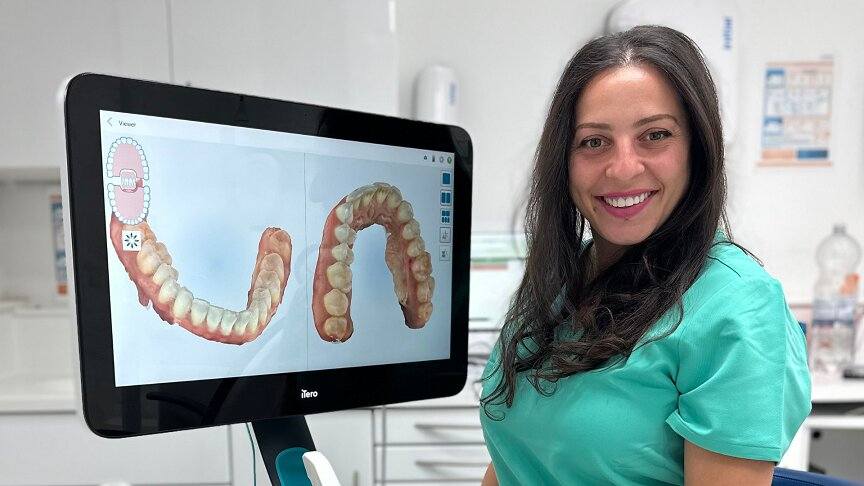
Even though flossing cannot reverse periodontitis, it plays a crucial role in treatment success.
After professional cleaning, flossing helps:
- Prevent new plaque build up in pockets.
- Reduce inflammation
- Support gum reattachment
- Maintain stability of treated areas.
- Slow or prevent disease recurrence
💡 Patients who floss daily have significantly better outcomes following periodontal therapy than those who don’t, because the bacteria that cause gum disease can recolonise quickly.
What Happens If You Stop Flossing When You Already Have Gum Disease
If gum disease is present and flossing is neglected, the condition can worsen rapidly. Possible consequences include:
- Increased bone loss
- Deeper periodontal pockets.
- Frequent gum infections
- Gum recession.
- Loosening of teeth.
- Tooth mobility and eventual tooth loss.
💡 Patients with periodontal disease often require lifelong maintenance and flossing becomes part of that long-term strategy.
Is Flossing Enough to Maintain Gum Health After Periodontal Treatment?
Flossing is essential—but not enough on its own. Most patients with periodontitis need:
- Regular periodontal maintenance appointments every 3–4 months
- Deep cleaning where needed
- Professional monitoring of pockets.
- At-home care that includes flossing, brushing, and sometimes interdental brushes
💡 Flossing remains one of the key habits that keeps bacteria from recolonising the pockets.
The Best Way To Floss for Gum Disease Prevention
Proper flossing technique is essential. Many people floss incorrectly, reducing its effectiveness.
Correct technique includes:
- Using a new or fresh floss section for each of your teeth
- Creating a gentle “C” shape around the tooth.
- Sliding floss under the gumline
- Avoiding snapping or forcing the floss.
- Cleaning both sides of the contact point.
💡 When done correctly, flossing removes the majority of interdental plaque.
Alternatives To Flossing For Patients With Gum Disease
Patients with periodontal disease may benefit from additional tools, such as:
- Interdental brushes.
- Water flossers / oral irrigators
- Soft picks
- Periodontal rubber tips
💡 Interdental brushes in particular are highly effective for larger gaps or recession caused by periodontitis. Your dentist or periodontist can recommend the right size and type for your mouth.
When To See A Periodontist
If you suspect gum disease—or flossing causes persistent bleeding—it’s essential to see a periodontist. Signs you should book an appointment include:
- Gum bleeding that lasts more than two weeks
- Gum recession.
- Persistent bad breath.
- Loose or shifting teeth.
- Sensitivity when brushing
- Deep pockets found during dental exams
💡 A periodontist specialises in diagnosing, treating and managing gum disease, especially advanced cases requiring specialist care.
Periodontal Treatment Options (What A Specialist Can Do That Flossing Cannot)
A periodontist can provide treatments that reach deep bacteria and stabilise the disease, including:
Scaling And Root Planing
Deep cleaning below the gumline to remove tartar and bacteria.
Periodontal Pocket Reduction
Reduces pocket depth and prevents bacterial accumulation.
Regenerative Therapy
Encourages regrowth of lost tissue where possible.
Gum Grafting
Repairs recession and strengthens the gumline.
Periodontal Maintenance
Long-term care to prevent reinfection.
💡 These procedures address the root cause of periodontitis in a way flossing alone cannot.
How Flossing Fits Into Long-Term Gum Disease Prevention
Flossing remains a daily non-negotiable habit.
- For patients who have undergone treatment
- For those with healthy gums.
- For people with a family history of gum disease
- For patients at higher risk (smokers, diabetics, stressed individuals)
💡 It acts as your first line of defence against plaque accumulation, reduces inflammation and helps maintain cleaner, healthier gums for life.
Final Thoughts: Can Flossing Reverse Periodontal Disease?
Flossing is powerful—just not powerful enough to reverse periodontal disease on its own.
Here is the simple summary:
- Flossing can reverse gingivitis, the earliest stage of gum irritation.
- Flossing cannot reverse periodontal disease, a more serious condition requiring specialist care.
- After periodontal treatment, flossing is crucial for long-term maintenance
- Consistent, correct flossing helps keep gums healthier, cleaner and more stable.
When flossing is combined with professional periodontal care, patients achieve significantly better long-term results.
💡 If your goal is to protect your gums, maintain a healthy smile and avoid future tooth loss, daily flossing—along with regular periodontal checks—is essential.