


Key Takeaways
- A periodontist is a dental specialist focused on the prevention, diagnosis and treatment of gum disease and bone loss around teeth.
- They perform advanced treatments like deep cleaning (scaling and root planing), gum grafts, bone regeneration and dental implant placement.
- Periodontists also manage complex cases of receding gums, loose teeth or persistent bleeding gums that general dentists may refer.
- Early visits to a periodontist can prevent severe gum damage and save natural teeth.
💡 At Whites Dental in Waterloo (SE1) and Marble Arch (W2), our London periodontist provides expert gum care using the latest technology for long-term oral health.
Understanding The Role Of A Periodontist
Many people assume that all dentists perform the same kind of work, but gum health requires a special skill set. A periodontist is a dentist who has completed additional specialist training—typically three years beyond general dentistry—to focus exclusively on the structures that support your teeth: your gums, jawbone and periodontal ligaments.
Think of a periodontist as your gum specialist, responsible for keeping the foundation of your smile healthy and strong. While general dentists look after your teeth, a periodontist ensures the structures that hold them remain stable.
Why Gum Health Matters

Your gums do more than keep your teeth in place—they protect the roots and underlying bone from bacteria and trauma. When gum disease starts, it quietly eats away at these supporting tissues. Left untreated, this can result in loose teeth, gum recession and even tooth loss.
Gum disease is also linked to wider health conditions such as:
- Heart disease
- Stroke
- Respiratory infections
- Diabetes complications
- Pregnancy issues (premature or low-weight births)
💡 By seeing a periodontist early, you can stop periodontal disease before it damages both your mouth and your overall health.
The Difference Between A Dentist And A Periodontist
It’s useful to mention that all periodontists are dentists ofcourse. However, not all dentists are trained as periodontists.
A general dentist focuses on:
- Check-ups and cleanings
- Fillings and crowns
- Cosmetic treatments like whitening or veneers
A periodontist, however, focuses on:
- Diagnosing and treating gum disease
- Performing deep cleaning procedures
- Regenerating lost bone and tissue
- Placing dental implants
- Correcting gum recession
💡 In short, when a dentist detects more advanced gum problems, they refer patients to a periodontist for specialist care.
Common Signs You May Need To See A Periodontist
You might not always know when gum problems have started, but here are tell-tale signs that you should see a specialist:
- Persistent bad breath
- Bleeding when brushing or flossing
- Red, swollen, or tender gums
- Receding gumline
- Loose or shifting teeth
- Pain when chewing
- Deep pockets forming between teeth and gums
💡 If you’re experiencing any of these symptoms, visiting a periodontist clinic in London can help diagnose the cause and start treatment before permanent damage occurs.
How A Periodontist Checks For Gum Disease
Your first visit usually includes:
- Comprehensive gum assessment – measuring the depth of pockets between your gums and teeth using a periodontal probe
- Digital X-rays – to assess bone levels and detect hidden infection.
- Gum health charting – to record the condition of each tooth and track improvement over time.
- Bacteria analysis – in some cases, lab testing may be used to identify aggressive bacteria strains.
💡 From there, your periodontist designs a personalised periodontal treatment plan based on how advanced your gum disease is.
Key Treatments A Periodontist Performs
1. Non-Surgical Deep Cleaning (Scaling And Root Planing)
This is the first line of periodontal treatment for gum disease. Your periodontist removes hardened plaque (tartar) from below the gumline and smooths the tooth roots so the gums can heal and reattach.
💡 It’s often performed under local anaesthetic for comfort and may take several sessions depending on severity.
2. Laser Gum Therapy
Modern periodontists often use laser technology to remove infected tissue and sterilise gum pockets. This is minimally invasive, causes less bleeding and promotes faster healing compared to traditional methods.
3. Gum Grafting For Receding Gums
If your gums have pulled away, exposing sensitive tooth roots, a gum graft may be recommended. The periodontist takes a small tissue sample (often from the roof of your mouth) and attaches it to the recessed area.
💡 This improves both gum health and smile aesthetics while protecting your roots from further damage.
4. Bone Grafting And Regeneration
Advanced gum disease can destroy bone supporting the teeth. Periodontists can perform bone grafting to rebuild this lost structure using natural or synthetic grafting materials.
Over time, the graft integrates with your own bone, strengthening your jaw and improving stability.
5. Pocket Reduction Surgery
When deep gum pockets remain after cleaning, bacteria can quickly recolonise. In flap surgery, the periodontist gently lifts the gums to clean the area thoroughly and repositions them to reduce pocket depth.
6. Dental Implant Placement
Periodontists also specialise in inserting and placing dental implants in your mouth in order to replace a missing tooth. Their advanced understanding of bone and tissue makes them ideal for planning implant surgery with long-term success.
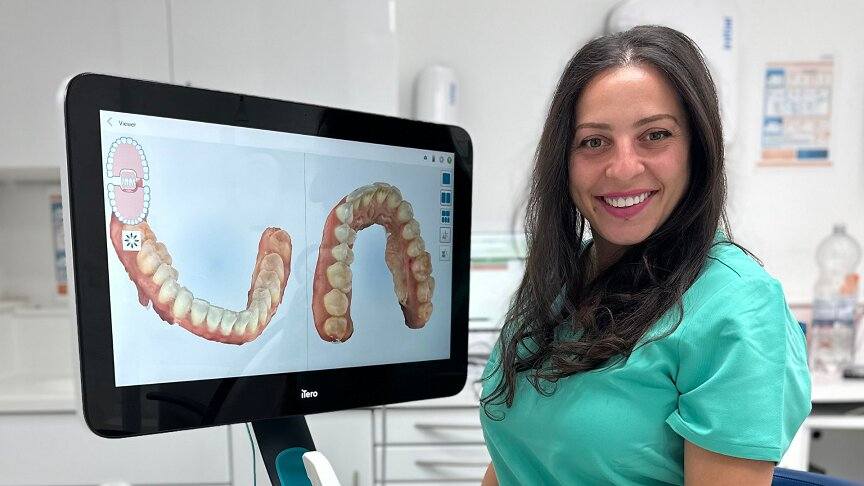
💡 At Whites Dental London, our periodontist works with digital 3D scans to ensure precise implant placement and natural-looking results.
7. Periodontal Maintenance Therapy
After treatment, ongoing maintenance is crucial. Periodontists schedule periodontal maintenance visits every 3–6 months to clean below the gumline, monitor healing and prevent relapse.
Advanced Diagnostic Technology Used By Periodontists
Modern periodontal care uses advanced tools to detect disease early and improve accuracy. Some of the technologies you’ll encounter include:
- Digital 3D imaging for bone evaluation,
- Periodontal probes with pressure sensors.
- Microscopic bacterial analysis
- Laser diagnostic tools for pocket detection
- Intraoral cameras to visualise affected areas
💡 At Whites Dental Waterloo and Whites Dental Marble Arch (W2), we use cutting-edge diagnostics for the most accurate treatment planning.
The Importance Of Early Periodontal Care
Many people delay seeking specialist gum care, assuming their bleeding gums are minor. Unfortunately, gum disease can advance silently until it becomes severe. Early intervention by a periodontist can:
- Reverse early gum inflammation
- Prevent tooth loss
- Save money on future treatment
- Protect your heart and overall health
💡 Ignoring gum problems often results in more complex, costly treatments later. Seeing a specialist early offers the best chance of preserving your natural teeth.
Periodontists And Whole-Body Health
Your mouth is the main point of entry to the rest of the body. Chronic gum inflammation can allow harmful bacteria to enter the bloodstream, increasing systemic inflammation. Scientific studies show strong connections between periodontal disease and:
- Cardiovascular disease
- Type 2 diabetes.
- Alzheimer’s disease
- Rheumatoid arthritis
- Certain cancers.
💡 Managing gum disease with a qualified periodontist not only protects your smile—it supports your overall wellbeing.
What To Expect During Your Periodontal Visit
Your first visit typically lasts about an hour. Here’s what happens step-by-step:
- Medical history review – Your periodontist assesses general health, medications, and risk factors.
- Visual and probing examination – To evaluate gum pocket depths and bleeding points
- Digital scans or X-rays – To check bone levels.
- Diagnosis discussion – The periodontist explains the stage of gum disease and treatment options.
- Personalised treatment plan – Tailored to your health, lifestyle, and goals.
💡 Everything is discussed clearly so you understand each step.
Periodontal Disease Treatment At Whites Dental London
At Whites Dental, our London periodontist provides expert gum treatment in a calm, modern environment.
We offer:
- Comprehensive gum assessments
- Non-surgical and surgical periodontal treatments
- Advanced bone and tissue regeneration
- Gum recession correction
- Dental implant placement
- Regular maintenance care
💡 Our periodontist collaborates closely with general and cosmetic dentists to ensure every patient receives complete care—from restoring gum health to achieving a beautiful smile.
Whites Dental – Our Locations In London
Whites Dental Waterloo
172 Blackfriars Road, London SE1 8ER
📞 020 8616 0590
Whites Dental Marble Arch (W2)
52B Kendal Street, St George’s Fields, London W2 2BP
📞 020 3576 2325
💡 Both clinics are conveniently located in Central London, offering easy access for patients living or working nearby to our periodontist in London.
How To Keep Your Gums Healthy After Periodontal Treatment
Once your gum health is restored, maintenance is key. Your periodontist will recommend:
- Brushing twice daily with a soft toothbrush
- Cleaning between teeth using floss or interdental brushes.
- Using an antibacterial mouthwash.
- Avoiding smoking and excessive sugar
- Visiting your periodontist every 3–6 months
💡 These habits help prevent bacteria from re-colonising and ensure long-term results.
Conclusion: Protecting Your Smile With A Periodontist In London
A periodontist is more than just a gum specialist—they’re the expert who protects the foundation of your smile and ensures long-term oral health. From diagnosing gum disease early to performing advanced procedures like bone regeneration and implant placement, their role is vital in preventing tooth loss and maintaining overall wellness.
If you’re noticing bleeding gums, bad breath or receding gums, it’s time to see a periodontist in London. At Whites Dental Waterloo and Whites Dental Marble Arch (W2), our team provides gentle, evidence-based periodontal care tailored to your needs.
💡 Healthy gums mean a confident, lasting smile—and it all starts with seeing the right specialist.
Related Articles
Author

Dr Deepa Chopra
Principal Dentist & Clinic Founder
GDC registration number: 124489
Membership of the Faculty of Dental Surgery from the Royal College of Surgeons of Edinburgh
Membership of the British Dental Association
Restorative Dentistry from Tipton
Align Invisalign profile
LinkedIn profile
Areas of Expertise: 20+ Years Dentistry Experience. General Dentistry, Cosmetic Dentistry, Restorative Dentistry, Invisalign, Composite Bonding, Veneers, Root Canals, Crowns, Dentures, Gum Disease, Hygienist Services, Emergency Dental Services & Teeth Whitening.