

Some people like the character of naturally pointed teeth. Others feel they make the smile look too sharp, uneven, or slightly aggressive in photos. This concern often relates to the canine teeth, which are naturally more pointed than the teeth around them. But in some cases, other teeth can also appear sharper, more angular, or less balanced than a patient would like.
A very common cosmetic question is:
“Can composite bonding fix pointy teeth?”
In many cases, yes – composite bonding can soften, reshape, and balance pointy teeth by carefully adding tooth-coloured material to create a smoother, more even contour.
The key is doing it subtly. Teeth still need to look natural and function properly. The aim is usually not to erase all character from the smile, but to create a softer, more harmonious shape that suits the face and bite.
This guide explains when bonding works well for pointy teeth, how treatment is carried out, what kind of results are realistic, and when another option may be more suitable.
🔑 Key Takeaways:
- Composite bonding can often make pointy teeth look softer and more even.
- Treatment usually works best when the concern is tooth shape rather than major bite or alignment problems.
- Pointy canines can often be reshaped cosmetically while still looking natural and age-appropriate.
- The goal is usually to refine the contour, not to make every tooth look flat or artificial.
- In some cases, edge contouring, orthodontics, or a combined plan may be more appropriate than bonding alone.
💡 Quick Answer: Yes – composite bonding can often fix pointy teeth by adding and shaping tooth-coloured resin to soften sharp edges and improve symmetry. It works best when the teeth are healthy, the bite is stable, and the aim is cosmetic reshaping rather than major structural change.
🧭 Jump to:
What Counts As “Pointy Teeth”?
“Pointy teeth” is not a technical diagnosis – it is how many patients describe teeth that look too sharp, too angular, or too prominent compared to the rest of the smile.
This often applies to:
- Canine teeth that look especially sharp
- Teeth with pointed or narrow edges
- Uneven tooth shapes that break up smile symmetry
- Front teeth that look too angular in photos
In some smiles, pointier teeth suit the face and look completely natural. In others, patients feel the shape draws too much attention or makes the smile look harsher than they want.
That is why cosmetic dental treatment is always subjective. The question is not simply whether a tooth is pointed, but whether its shape feels out of balance with the rest of the smile.
Why Can Teeth Look Too Sharp Or Pointed?
There are several reasons why teeth may look more pointed than expected.
Natural Tooth Shape
Some people simply have naturally sharper tooth anatomy. This is especially common with canine teeth, which are designed to be more pointed than incisors.
Uneven Wear
Sometimes the surrounding teeth wear down over time while one tooth keeps a more prominent shape. That can make the sharper tooth stand out more.
Tooth Position
A tooth that is slightly rotated, forward, or set at a different angle can appear sharper than it really is. In those cases, shape is only part of the issue.
Smile Proportions
Even when teeth are healthy, the overall smile can look unbalanced if one or two teeth have noticeably different contours. Patients often notice this when looking closely at selfies or after whitening, because the brighter smile makes shape issues more obvious.
Can Composite Bonding Fix Pointy Teeth?
Yes – in many cases, composite bonding is a very effective way to improve pointy teeth.
Rather than cutting healthy tooth structure away, the dentist usually adds small, carefully shaped amounts of composite resin to soften the outline of the tooth and help it blend better with the surrounding smile.
This can be useful when the goal is to:
- Make a sharp tooth look softer
- Improve symmetry across the front teeth
- Balance the shape of canines and incisors
- Create a more polished cosmetic finish
One of the biggest benefits of bonding is that it is usually a conservative and adjustable treatment. It can often refine the smile without the level of preparation associated with veneers.
If you are new to the treatment itself, it helps to first understand what composite bonding is and how it works.
How Does Composite Bonding For Pointy Teeth Work?
Bonding for pointy teeth is more about reshaping and contour design than repairing a broken area.
A typical process may include:
- Smile assessment – the dentist checks tooth shape, bite, symmetry, and how the teeth appear when you smile and speak.
- Planning the contour changes – the goal is to soften the sharpness without making the tooth look bulky or unnatural.
- Shade matching – the composite is chosen to blend with the natural enamel.
- Layering and sculpting – composite is placed carefully and shaped by hand.
- Polishing and finishing – this is what helps the final result look natural rather than obvious.
The process is highly technique-sensitive. Small changes in edge shape, light reflection, and tooth width can completely alter how natural the result looks.
That is one reason treatment planning matters so much in cosmetic bonding cases. It is not just about making the tooth less pointy – it is about making the smile look more balanced overall.
You can read more about this in our guide to the composite bonding process.
Can Composite Bonding Fix Pointy Canines?
Often, yes.
Canines are the teeth patients most commonly mean when they talk about pointy teeth. They naturally sit between the front incisors and the premolars and they usually have a more prominent, tapered shape.
That is normal anatomy.
However, some patients feel their canines:
- Look too sharp in photos
- Make the smile look too “fang-like”
- Appear too long or too dominant compared to nearby teeth
- Do not match the softer look they want
High-quality composite bonding can often soften the visible contour of the canines while still preserving a natural tooth shape. The aim is usually subtle refinement rather than flattening them completely.
That matters because canines still need to look like canines. If they are made too square or too blunt, the smile can start to look artificial.
A good cosmetic result usually means:
- Reducing the harshness of the point
- Improving harmony with the incisors
- Keeping a believable natural anatomy
Can Pointy Front Teeth Be Fixed With Bonding Too?
Yes, depending on the cause.
If the issue involves front teeth that look too angular, too narrow or uneven at the edges, composite teeth bonding can often help by adjusting:
- Incisal edge shape
- Corner roundness
- Width-to-length proportions
- How the teeth flow together visually
This is especially useful where patients feel their smile looks:
- Too sharp
- Too narrow
- Too irregular
- Not quite finished
Dental bonding is often chosen in these cases because it allows the dentist to work very precisely on shape without moving straight to more invasive options.
This overlaps with cases involving small or peg-shaped teeth, worn edges, and composite bonding on front teeth.
When Is Composite Bonding A Good Option For Pointy Teeth?
Composite bonding is often a good option when:
- The teeth are healthy
- The issue is mainly shape-related
- The bite is stable
- The patient wants a conservative cosmetic treatment
- The desired change is subtle to moderate
It may be particularly suitable for people who:
- Want a softer smile without veneers
- Have sharp canines that dominate the smile
- Want to improve symmetry between teeth
- Are looking for a more refined, polished overall look
It can also be appropriate as part of a wider smile makeover plan, especially if the patient is already thinking about whitening, alignment, or multiple tooth reshaping.
When Might Bonding Not Be The Best Option?
Composite bonding treatment is not always the right answer.
There are situations where the pointy appearance is not mainly a contour issue, but a position or bite issue instead. In those cases, bonding alone may improve the look only partly.
Bonding may be less suitable if:
- The tooth position is the main problem
- The bite places too much force on the area
- The patient grinds heavily
- Too much composite would be needed to achieve the desired shape
Sometimes, what appears to be a pointy tooth is really:
- A rotated tooth
- A tooth that sits too far forward
- A mismatch in gum levels or tooth lengths
- A broader smile proportion issue
That is why an experienced assessment matters. Cosmetic dentistry works best when the cause of the issue is understood properly before treatment begins.
Will Bonding For Pointy Teeth Look Natural?
Usually, yes – when the changes are planned carefully.
The best bonding does not make every tooth look identical. Instead, it creates a smile that looks:
- Balanced
- Softened
- Symmetrical
- Still believable as natural teeth
A natural result depends on:
- Maintaining realistic tooth anatomy
- Avoiding bulky or overbuilt edges
- Matching the shape to the face and smile line
- Polishing the bonding properly
Patients sometimes worry that reshaping pointed teeth will make the result look fake. That usually comes down to technique, not the concept itself.
This concern links closely with whether composite bonding looks fake and why bonding can look bulky when too much material is added.
How Long Does Composite Bonding On Pointy Teeth Last?
Bonding on pointy teeth is not permanent, but it can last well when the case is suitable and the teeth are looked after properly.
Longevity depends on:
- Your bite forces
- Whether you grind or clench your teeth
- How much composite has been added
- How well you care for it
Because canines can sometimes take more bite force than other teeth, the dentist needs to plan carefully if bonding is being placed there.
For some patients, a night guard may be recommended if grinding is a concern. For others, slight contour refinement may be safer than a more dramatic build-up.
To understand expectations better, see our guide on how long composite bonding lasts and whether composite bonding chips easily.
How Much Does It Cost To Fix Pointy Teeth With Composite Bonding?
The cost depends on:
- How many teeth are being treated
- Whether the case is simple or more cosmetic in nature
- Whether treatment involves one tooth, two canines, or a wider smile redesign
Some patients only want one particularly sharp tooth refined. Others choose treatment across several teeth so that the final smile looks more symmetrical and intentional.
That is why there is no single universal fee for this kind of case.
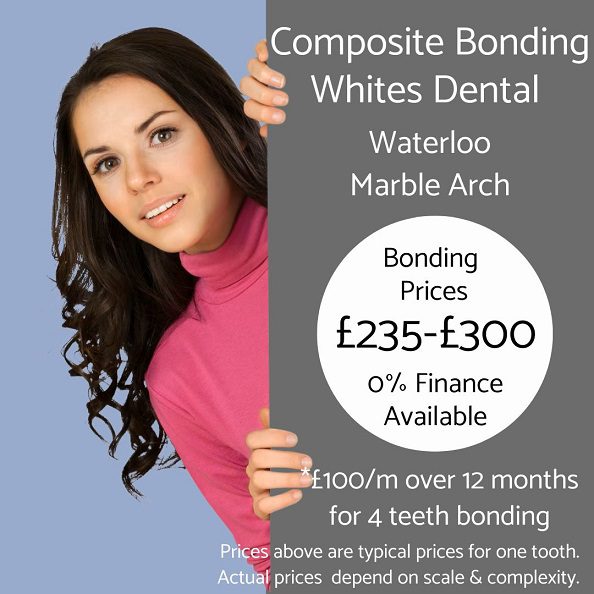
For a fuller guide, see our page on how much composite bonding costs in the UK and our explanation of why composite bonding can seem expensive.
What Are the Alternatives For Pointy Teeth?
If bonding is not the best fit, other options may include:
| Treatment Option | When It May Help | Key Consideration |
|---|---|---|
| Minor edge contouring | If only a very small amount of smoothing is needed | Only suitable in conservative cases |
| Invisalign | If tooth position is contributing to the pointy appearance | May be combined with bonding afterwards |
| Veneers | If more dramatic reshaping is needed | More invasive than bonding |
| No treatment | If the tooth shape is natural and not a true concern | Sometimes reassurance is enough |
The right choice depends on how subtle or significant the desired change is.
Is Composite Bonding Worth It For Pointy Teeth?
For the right patient, it often is.
If the pointy shape genuinely bothers you, even a subtle contour refinement can make the smile feel much softer and more balanced. The change may be small in millimetres, but very noticeable in overall appearance.
Patients often feel bonding is worthwhile when:
- The issue catches their eye every time they smile
- They want a less sharp or severe look
- They want improvement without aggressive drilling
- They value a treatment that can often be adjusted in future
You can read more about this more broadly on our page covering whether composite bonding is worth it.
Thinking About Softening Pointy Teeth?
If one or more teeth look too sharp, too angular, or out of balance with the rest of your smile, composite bonding may be able to improve them in a conservative and natural-looking way.
At Whites Dental, we assess not just whether a tooth is pointed, but whether reshaping it will improve the overall harmony, function, and appearance of your smile. Visit us for a free composite bonding consultation at one of our clinics in Central London.
You can also explore our composite bonding treatment in London, view bonding before and after results, and read patient testimonials to understand what this kind of treatment can achieve.
- ✅ Conservative cosmetic smile refinement
- ✅ Experienced cosmetic dentists in Central London
- ✅ Honest advice on bonding vs alternatives
Author

Dr Deepa Chopra
Principal Dentist & Clinic Founder
GDC registration number: 124489
Membership of the Faculty of Dental Surgery from the Royal College of Surgeons of Edinburgh
Membership of the British Dental Association
Restorative Dentistry from Tipton
Align Invisalign profile
LinkedIn profile
Areas of Expertise: 20+ Years Dentistry Experience. General Dentistry, Cosmetic Dentistry, Restorative Dentistry, Invisalign, Composite Bonding, Veneers, Root Canals, Crowns, Dentures, Gum Disease, Hygienist Services, Emergency Dental Services & Teeth Whitening.