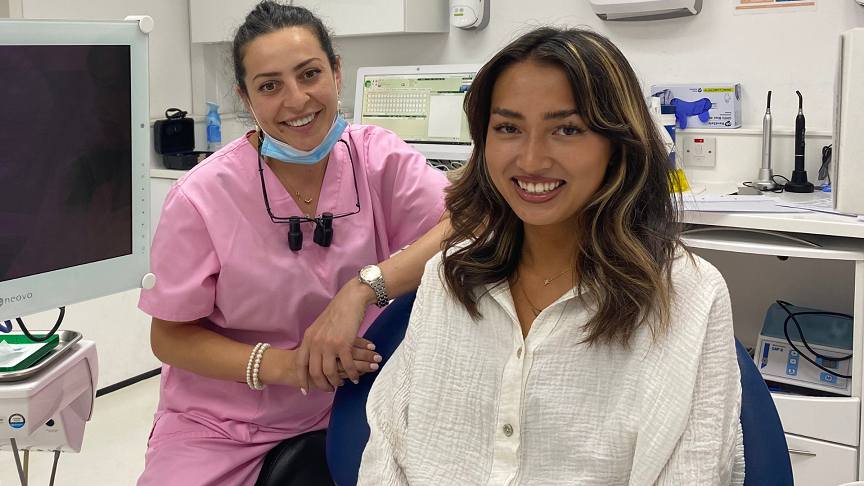


Composite bonding can look simple from the outside. A tooth is reshaped, repaired or refined using tooth-coloured material, often without drilling or major preparation.
That simplicity is part of the reason the price can feel surprising.
Good composite bonding is not just the material placed on the tooth. It depends on shade matching, hand shaping, bite checks, polishing, clinical time and the cosmetic judgement of the dentist. Those details are what separate bonding that blends naturally from bonding that looks bulky, flat or short-lived.
🔑 Key Takeaways:
- Composite bonding costs reflect clinical skill, time, and precision – not just the material used.
- Each tooth is shaped and layered by hand, making the process highly customised.
- Cheaper bonding often means lower-quality materials, rushed work, or poor longevity.
- Understanding what drives cost helps you judge value, not just price.
💡 Quick Answer: Composite bonding costs more than people expect because it’s a highly skilled, time-intensive procedure where each tooth is built, shaped, and polished by hand – not a mass-produced cosmetic fix.
🧭 Jump to:
The Materials Used In Composite Bonding
The composite material itself matters more than many patients realise. Better-quality dental composites are designed to mimic the shade, translucency and surface finish of natural enamel.
This helps the dentist layer colour, refine small details and create a result that blends with the surrounding teeth. Lower-quality materials may look acceptable at first, but they can be more prone to staining, dullness or visible edges over time.
💡 Key takeaway: The better the composite material, the more natural your bonding looks – and the longer it maintains its appearance.
Why Time Per Tooth Drives The Cost For Composite Bonding
One of the biggest reasons composite bonding varies in price is chair time. Even when the treatment looks small, the dentist may need to spend considerable time preparing, shaping, checking and polishing each tooth properly.
Each tooth typically involves:
- Careful assessment of bite, spacing, and proportions
- Meticulous isolation to keep the tooth completely dry
- Layer-by-layer placement of composite material
- Detailed shaping to match surrounding teeth
- Multi-stage polishing for a natural finish
This is why the fee reflects more than the amount of composite used. A small edge repair and a carefully reshaped front tooth can involve very different levels of planning, precision and finishing.
You’re Paying For Clinical Skill – Not Just Treatment
Composite bonding sits at the intersection of dentistry and artistry. Two dentists using the same material can produce very different results.
Experienced cosmetic dentists understand:
- Facial symmetry and smile balance
- How light reflects off natural enamel
- How bonding should integrate with your bite
- How to avoid bulky or artificial-looking results
This is where the dentist’s judgement makes a real difference. The aim is not simply to add material to the tooth, but to create a shape, texture and finish that suits the rest of the smile.
“Good bonding disappears. Poor bonding draws attention.”
What You’re Actually Paying For With Composite Bonding
The price of composite bonding is usually shaped by several clinical and practical factors working together. These are the details that influence whether the final result looks natural, feels comfortable and lasts well.
| Cost Factor | Why It Matters | Impact on Results |
|---|---|---|
| Composite Material | Higher-quality composites offer better translucency, polish, and stain resistance. | More natural appearance that ages better over time. |
| Time Per Tooth | Each tooth is shaped and finished by hand, often taking an hour or more. | Cleaner margins, smoother surfaces, fewer repairs. |
| Dentist Experience | Aesthetic judgement, bite awareness, and precision come with experience. | Bonding blends seamlessly instead of looking bulky or obvious. |
| Finishing & Polishing | Multiple polishing stages refine shape and surface texture. | Reduced staining, better shine, longer-lasting results. |
Taken together, these factors explain why two bonding quotes can look very different, even when both are described as the same treatment.
Why Prices Vary Between Clinics
Patients are often surprised by how much bonding quotes can differ between clinics, even when the treatment sounds similar. The difference usually comes down to how much time, planning and finishing is included.
- Appointment length: Some clinics allow significantly more time per tooth, which improves detail and finishing.
- Material choice: Not all composites are equal – higher-grade materials cost more and perform better long-term.
- Experience level: Dentists with advanced cosmetic training typically command higher fees due to predictable outcomes.
- Finishing standards: Careful shaping and polishing reduce staining and chipping, but take time.
A lower quote is not automatically wrong, but it is worth asking what is included. Shorter appointments, limited polishing or less detailed shade matching can affect how the bonding looks and how well it wears.
Why Private Composite Bonding Costs More Than NHS Options
In the UK, composite bonding is usually only available on the NHS when it’s clinically necessary – and even then, materials and appointment time are limited.
Private treatment allows:
- Longer appointment times
- Higher-quality materials
- Cosmetic shaping and finishing
- Customised smile design
Private care gives the dentist more time and flexibility to focus on cosmetic detail, shade matching and long-term appearance.
Does A Higher Cost For Composite Bonding Mean Better Long-Term Value?
When done properly, composite bonding can last for years with good care. Cheaper bonding may need frequent repairs, re-polishing, or full replacement – increasing long-term cost and frustration.
Higher-quality bonding often means:
- Better stain resistance
- Stronger edges with lower chipping risk
- More natural ageing over time
- Fewer emergency repairs
💡 Key takeaway: Composite bonding is an investment in longevity and appearance – not just a cosmetic quick fix.
Composite Bonding Price FAQs
Patients often have similar questions when comparing composite bonding prices. These answers focus on what actually affects cost, so you can understand what you’re being quoted for – not just the number itself.
Why Do Composite Bonding Prices Vary So Much?
Composite bonding prices vary because clinics may use different materials, appointment lengths, polishing stages and levels of cosmetic planning. A lower quote may involve less time per tooth, while a higher quote may reflect more detailed shaping, shade matching and finishing.
Is Expensive Composite Bonding Always Better?
A higher price does not automatically guarantee a better result, but it can indicate more time, better materials and greater cosmetic experience. The most important thing is understanding what is included in the treatment.
Why Is Composite Bonding Cheaper At Some Clinics?
Some clinics may charge less because the appointment is shorter, fewer teeth are being treated, or the treatment involves simpler edge bonding rather than detailed reshaping. Always compare what is included, not just the headline fee.
Thinking About Composite Bonding?
If you’re comparing composite bonding options, it helps to look beyond the headline price and understand what is included in the treatment.
At Whites Dental, our cosmetic dentists focus on delivering natural-looking results that age well and fit seamlessly into your smile.
Visit our Central London clinics:
- Waterloo – close to Southwark & Blackfriars
- Marble Arch – near Paddington & Edgware Road
Your consultation includes:
- A full smile assessment
- Honest advice on suitability and options
- A clear, personalised cost breakdown
- No pressure – just expert guidance
- ✅ Thousands of cosmetic dental cases completed across our Central London clinics
- ✅ Experienced cosmetic dentists
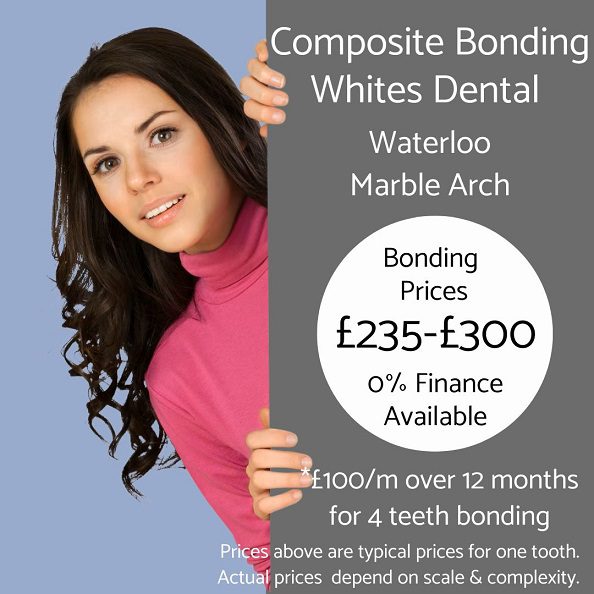
- ✅ 0% finance options available
- ✅ Central London locations
If you’d like clarity on cost – and confidence in the outcome – we’re here to help.
Author

Dr Deepa Chopra
Principal Dentist & Clinic Founder
GDC registration number: 124489
Membership of the Faculty of Dental Surgery from the Royal College of Surgeons of Edinburgh
Membership of the British Dental Association
Restorative Dentistry from Tipton
Align Invisalign profile
LinkedIn profile
Areas of Expertise: 20+ Years Dentistry Experience. General Dentistry, Cosmetic Dentistry, Restorative Dentistry, Invisalign, Composite Bonding, Veneers, Root Canals, Crowns, Dentures, Gum Disease, Hygienist Services, Emergency Dental Services & Teeth Whitening.