Orthodontist In London
Specialist orthodontist offering braces for adults and children. Prices £2,795 - £4,295 typically. Visit us in London Waterloo & Marble Arch.
Orthodontist In London Waterloo & Marble Arch


Why Choose An Orthodontist For Treatment?
Orthodontists extensive experience offers better alignment results even for complex cases
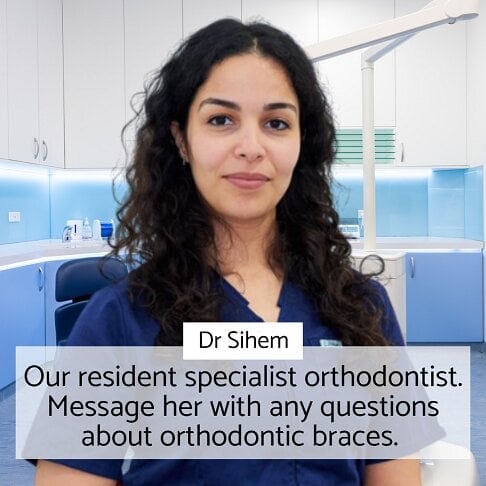
Not all dentists are orthodontists. Choosing a specialist means you’ll benefit from years of additional training and experience focused solely on tooth movement and bite correction. At Whites Dental, our orthodontists in London combine advanced skills with modern techniques to deliver predictable, lasting results.
- Advanced training: Orthodontists are dental specialists with years of additional training in tooth movement and jaw alignment.
- Complex cases: From severe crowding to bite correction, orthodontists handle cases beyond the scope of general dentists.
- Predictable results: With thousands of smiles transformed, our London orthodontists deliver braces treatment in London with accuracy and confidence.
- Peace of mind: Treatment with a specialist can cost slightly more, but gives reassurance and stability that’s worth the investment.
Once you are ready, feel free to send us an enquiry to book a consultation with our orthodontist in London. We have clinics in London Waterloo & Marble Arch.
Make An Enquiry
Treatments Offered By Our Orthodontist
Invisalign Clear Aligners
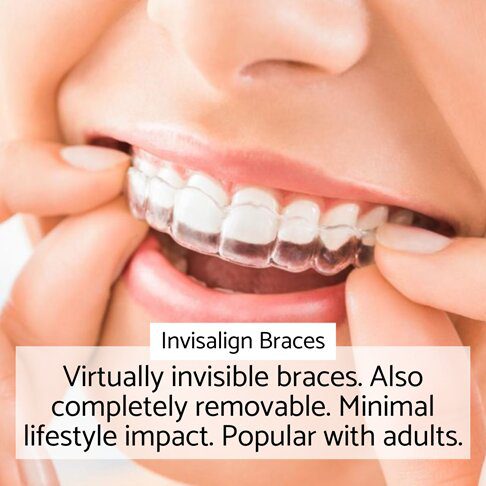
Invisalign uses a series of custom-made clear invisible aligners, gently shifting your teeth into place without wires or brackets. Popular with adults and teenagers who want a discreet treatment with minimal disruption. Virtually invisible braces.
Metal Braces
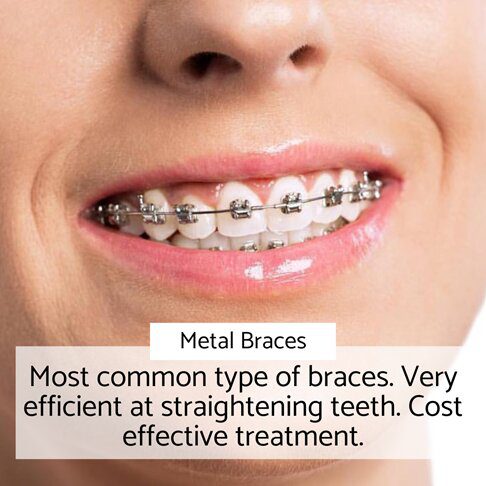
Metal braces remain the most effective option for complex orthodontic cases. They are particularly suitable for younger patients or anyone needing reliable correction of severe crowding, gaps or bite issues. Also very cost effective.
Ceramic Braces
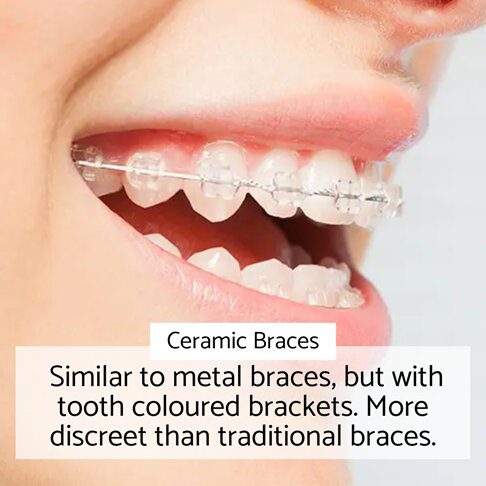
Ceramic braces work like traditional metal braces but use tooth-coloured or clear brackets that blend in with your natural teeth. This makes them a popular option for adults and professionals who prefer a more discreet look.
Damon Braces
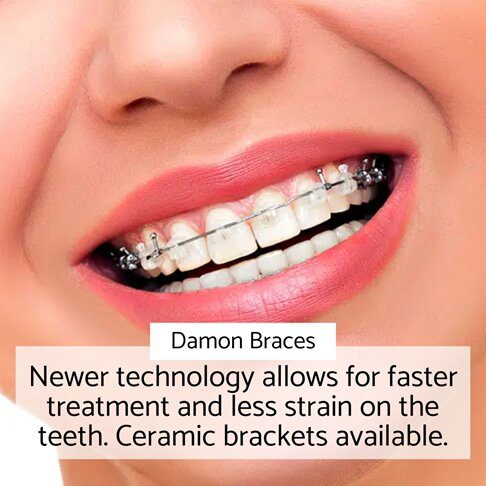
Damon braces use advanced self-ligating technology instead of elastic ties, allowing the wire to move more freely. This means less friction, fewer adjustments and often faster treatment times. Damon systems can also reduce the need for extractions in some cases.
Cost For Orthodontic Treatment & Finance Options
Orthodontic treatment at Whites Dental typically range between £2,795 and £4,295. With 0% finance, the monthly fees can be as low as £53/month.
|
Orthodontist consultation |
£65 |
|
Invisalign |
typically £2,795 - £3,295 |
|
Metal Braces |
typically £2,995 - £4,195 |
|
Ceramic Braces |
typically £3,195 - £4,595 |
|
Damon Braces |
typically £3,095 - £4,295 |
The exact cost of orthodontic treatment depends on the type of system you choose (Invisalign, ceramic, metal, Damon and others), the complexity of your case (from mild crowding to full bite correction), and the overall treatment length. For a detailed breakdown, see our braces cost guide.
Payment Plans & 0% Finance
You don’t need to pay everything upfront – our finance options make braces more affordable.
✔️ 0% finance over 6–12 months
✔️ Low deposit options
✔️ Flexible monthly payments
Our team will explain every option during your consultation. Applying is quick and simple:
✔️ Apply at the practice — we’ll send a link straight to your phone
✔️ Choose how many months to spread the cost
✔️ Get an instant decision (usually within minutes)
01
 Apply at the Practice
 Apply at the Practice
We will send a link to your phone for the required amount.
02
Choose How to Pay
 Choose How to Pay
Choose how many months to pay the treatment amount over.
03
0% Finance
 0% Finance
The credit application is really short, with a decision given in a few minutes.
Orthodontic Treatments For Children & Adults
Kids Braces
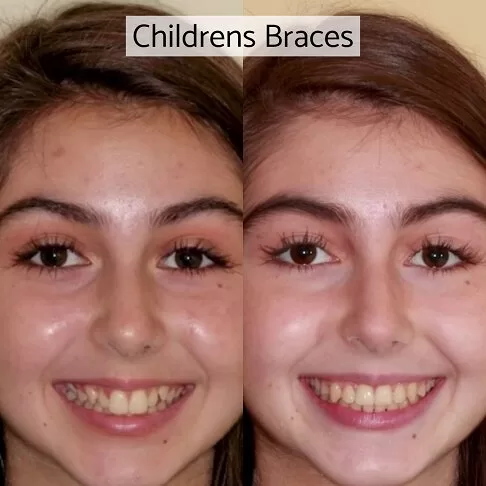
The teenage years are the best time for orthodontic treatment – while the jaw is still developing and teeth respond quickly. We also offer early assessments from age 7, spotting issues early.
Adult Braces
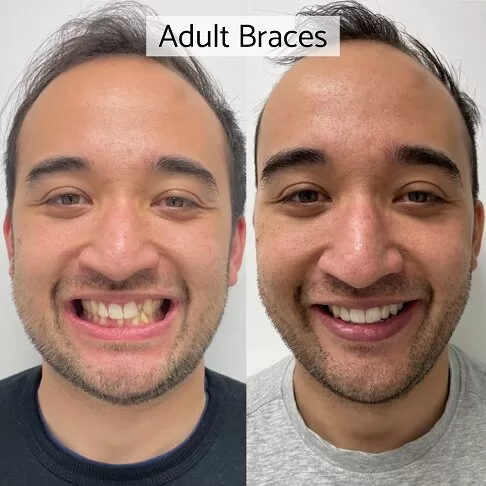
More adults than ever are choosing orthodontic treatment for both cosmetic and functional reasons. It’s never too late to get braces. We offer flexible finance to make treatment accessible to a wider range of adults.
The Transformative Benefits Of Orthodontist Treatments
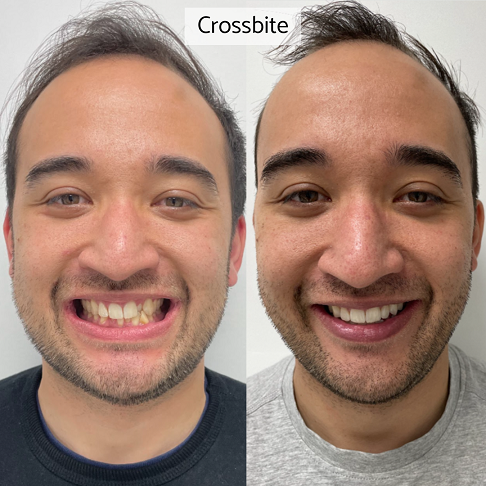
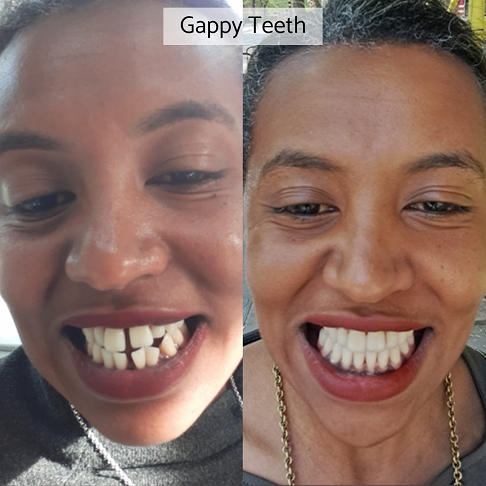
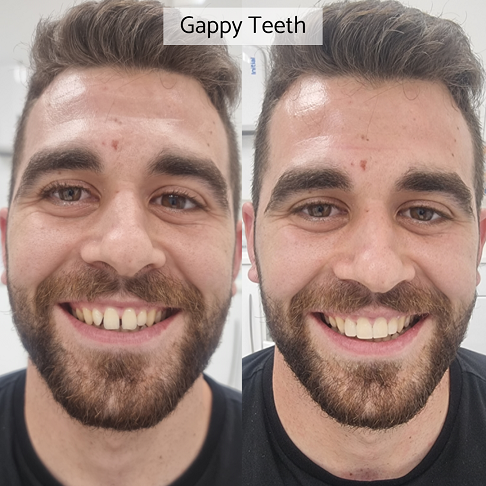
From crowding to bite correction, see the before and after results of our orthodontists changing smiles.
Seeing real-world results can help you decide with confidence. Our orthodontists have transformed smiles affected by crowding, gaps, overbites, and crossbites.

Meet Our Dentists
Dr Ravinder Varaich – GDC No. 80964
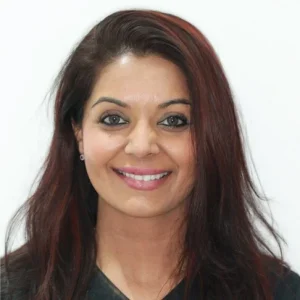
Lead Braces Clinician | 18+ Years Experience | Metal & Ceramic Braces
📍 Available at: Marble Arch
- Leads our fixed brace treatments, particularly metal, ceramic and Damon brace systems
- 18+ years of clinical experience
- 1000+ smile restoration cases
Dr Deepa Chopra – GDC No.124489
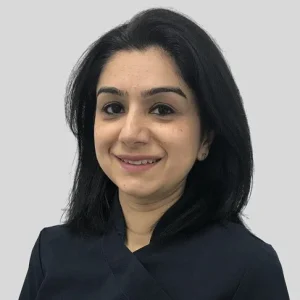
Invisalign Provider | 20+ Years Experience | Adult & Teen Clear Aligner Treatments
📍 Available at: Waterloo
- Leads our Invisalign treatments
- 20+ years clinical experience
- Specialises in nervous patients
- Honest, clear advice
Book A Consultation With Our Orthodontist

Upload Photos Of Your Teeth
Start by sending us clear photos of your teeth and bite. This helps our orthodontists understand your concerns and provide early feedback before you even step into the clinic.
Free Initial Phone Consultation
Within 24 hours, we’ll usually book you in for a free phone consultation with one of our orthodontic team. We’ll talk through your goals, discuss suitable treatment options and provide you an estimated cost for treatment.
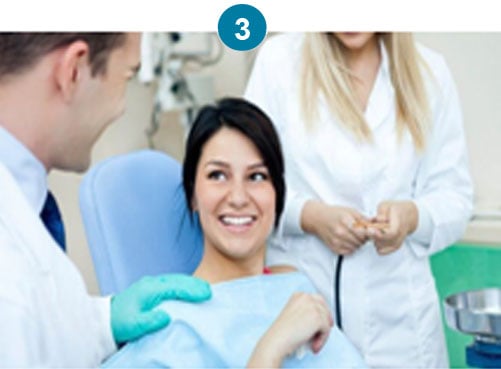
Orthodontist Consultation In Clinic
When you’re ready to move forward, we’ll arrange an in-practice consultation at either Waterloo or Marble Arch. We’ll create a personalised treatment plan for you and give you a firm fee for treatment.
What Does An Orthodontist Do?
An orthodontist is a dental specialist who focuses exclusively on the positioning and function of teeth and jaws, rather than general dental care. They diagnose misalignments, bite issues, and irregular spacing, then design tailored treatment plans to correct these problems efficiently and safely.
Using tools such as braces, clear aligners, retainers and sometimes surgical interventions, an orthodontist gradually guides teeth into their optimal positions. Beyond cosmetic improvement, their work enhances oral health, making chewing, speaking and cleaning teeth easier. Orthodontists combine technical skill, careful monitoring and long-term planning to achieve results that are both functional and aesthetically balanced.
How Long Does Orthodontic Treatment Take?
Treatment Timeframes
Most orthodontic treatments take 12–24 months, but timelines vary significantly depending on your case. Very minor adjustments can take 3–6 months, while moderate alignment issues typically fall within the 9–18 month range. More complex orthodontic cases, especially involving bite correction, can take 18–36 months.
What Your Orthodontist Looks At
An orthodontist will assess crowding, spacing, and bite issues. For example, mild crowding may be resolved in under a year, while severe overbites or jaw misalignment can push treatment beyond two years.
Treatment Types & Timelines
Clear aligners often take 6–18 months for mild to moderate cases if worn properly. Traditional braces usually range from 12–24 months, while lingual braces may take slightly longer due to their precision.
Your Role In Treatment Timelines
Following your orthodontist’s instructions—like wearing aligners 20–22 hours daily—can keep treatment on track. Poor compliance can easily add 3–6+ months.
How Often Will I Need To Visit The Orthodontist During Treatment?
Orthodontic Visit Frequency
During orthodontic treatment, you’ll typically visit your orthodontist every 6–8 weeks. These regular check-ups allow adjustments to be made and ensure your teeth are moving as planned.
Visit Frequency Based On Type of Treatment
Visit frequency can vary depending on your orthodontic method. With traditional braces, appointments are usually every 4–8 weeks, while clear aligner patients may need check-ins every 6–10 weeks, sometimes with fewer in-person visits.
Monitoring Orthodontic Progress
Your orthodontist uses these appointments to tighten wires, change aligners, and track progress. If issues arise—like broken brackets or discomfort—you may need additional visits.
Flexibility
Some modern orthodontic clinics offer remote monitoring, reducing the number of in-person visits while still keeping your treatment on track.
Our Orthodontists Specialise In Bite Correction And Jaw Alignment
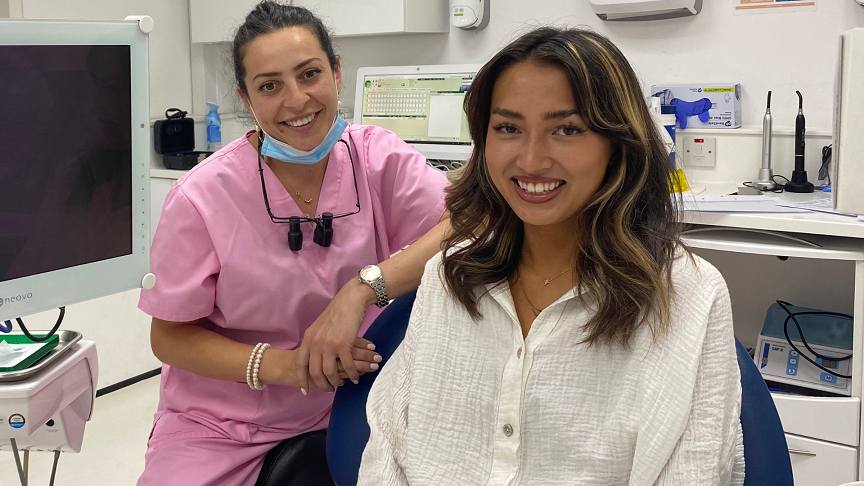
Orthodontics is about much more than straightening teeth. Many patients come to us with bite problems that affect comfort, speech, or long-term oral health. Our orthodontists are trained to diagnose and correct:
Overbite – where the upper teeth significantly overlap the lower teeth.
Underbite – when the lower teeth sit in front of the upper teeth.
Crossbite – when some upper teeth bite inside the lower teeth.
Open bite – where upper and lower teeth don’t meet when biting together.
Correcting these issues can improve chewing efficiency, protect teeth from uneven wear, reduce jaw discomfort and even support clearer speech.
FAQs
Your quick guide to what orthodontic treatment in London really involves.
What’s the difference between a dentist and an orthodontist?
+Do I need a referral to see an orthodontist in London?
+How much does a private orthodontist cost in London?
+Is private orthodontic treatment faster than NHS?
+Do orthodontists offer free consultations?
+Can adults still get braces or Invisalign?
+Will I need retainers after orthodontic treatment?
+At what age should my child first see an orthodontist?
+Can I switch from NHS to private orthodontics?
+Visit Our Orthodontic Clinics in London
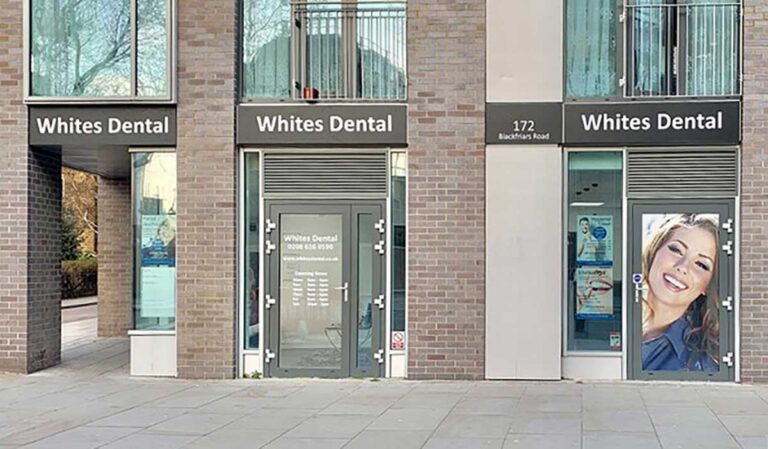
Whites Dental Waterloo
Whites Dental Marble Arch (W2)
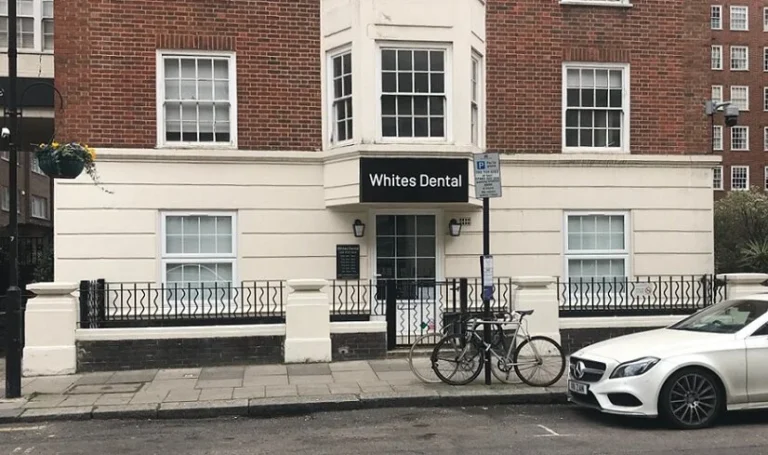
52B Kendal St, St George’s Fields, London W2 2BP
📍 Behind Edgware Road & Hyde Park – ideal for Marylebone, Paddington, Kensington, Notting Hill, Westminster, Mayfair, Fulham, Holborn, Soho, Pimlico & Victoria.
🚇 Walkable from Marble Arch, Edgware Road & Paddington stations