

Key Takeaway
Enamel thickness plays a crucial role in determining whether porcelain veneers are suitable. Veneers require a strong and healthy enamel layer for bonding, long-term stability, and a natural appearance. If enamel is too thin—due to wear, erosion, previous dental work or genetics—you may need enamel-preserving alternatives or gum and structural treatments first. Understanding how enamel affects veneer success helps you make a safer, longer-lasting cosmetic decision, especially for patients seeking porcelain veneers in London.
Why Enamel Thickness Matters For Porcelain Veneers
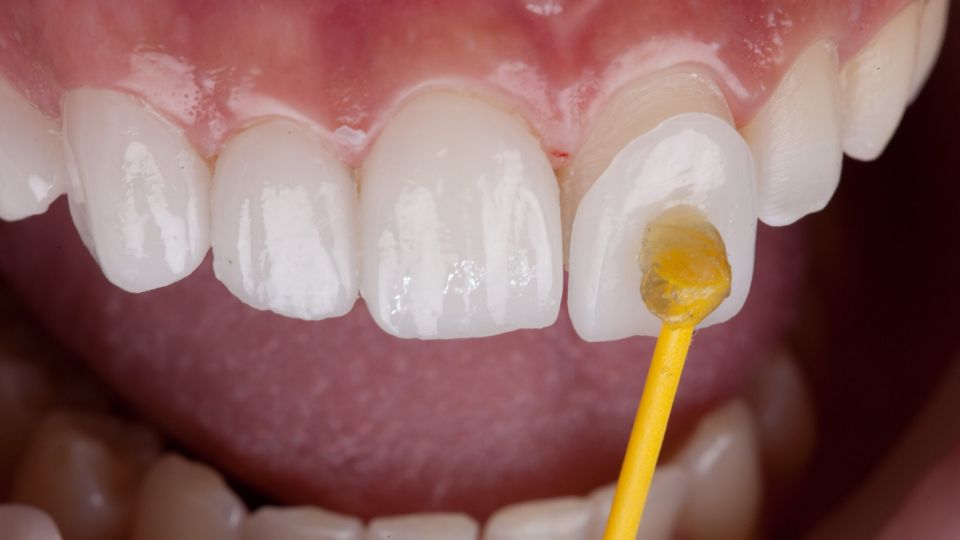
Enamel thickness is one of the most important clinical factors dentists assess before approving a patient for porcelain veneers. It determines how much preparation can be safely done, how well veneers bond and whether the final result looks natural.
How Enamel Affects Veneer Bonding Strength
Porcelain veneers bond best to enamel—not dentine. When enamel is adequate:
- The veneer attaches more strongly and lasts longer
- Bonding is predictable and resistant to future complications
- Sensitivity is drastically reduced
- A highly polished finish prevents plaque accumulation
Why Thin Or Damaged Enamel Causes Issues
When enamel is insufficient, dental veneers become riskier because:
- Bonding to dentine is weaker and more prone to failure
- Tooth structure may become sensitive.
- Veneers may appear bulkier due to limited preparation room.
- Edges can lift or chip more easily
💡Strong, healthy enamel dramatically increases the lifespan and success rate of porcelain veneers. Thin enamel may not rule them out—but it requires careful evaluation and planning.
Understanding What Counts As “Healthy” Enamel For Porcelain Veneers
The dentist doesn’t simply check whether enamel exists—they assess its quality, depth and condition.
The Thickness Threshold Most Cosmetic Dentists Look For
While natural enamel thickness varies, cosmetic dentists generally prefer:
- At least 0.5mm of enamel on facial surfaces
- Minimal erosion patterns
- No widespread chipping or fractures.
- Stable enamel near gum lines, where veneers wrap the tooth
Ideally, your enamel should be thick enough to allow ultra-conservative preparation.
What Influences Natural Enamel Thickness
Some people naturally have thinner or thicker enamel. Factors include:
- Genetics
- Age
- Acidic diet or acid reflux
- Aggressive tooth brushing.
- Teeth grinding (bruxism)
- History of orthodontics with enamel reduction
- Old fillings near the surface
💡 Even if your enamel is naturally thin, modern veneer technology may still allow treatment—your dentist providing porcelain veneers just needs to assess the risks carefully.
How Dentists Measure Enamel Thickness Before Veneers
Porcelain veneer assessments today are highly precise. Dentists use several methods to understand enamel depth and suitability.
Digital Scans
Digital intraoral scanners provide a 3D model of each tooth’s anatomy. Dentists review:
- Enamel contour
- Surface wear
- High-risk thinning areas.
- Structural symmetry
Transillumination
LED lights shine through enamel to reveal:
- Weak enamel areas.
- Cracks
- Previous hidden restorations
Radiographs
X-rays show:
- Enamel-to-dentine boundaries
- Subsurface decay
- Previous restorative work.
Manual Clinical Examination
A veneers dentist also:
- Probes enamel for hardness.
- Checks surface integrity
- Evaluates erosion patterns
💡If you’re seeking porcelain veneers in London, choose a clinic that uses digital smile design and high-resolution scanning for the most accurate enamel assessment.
How Enamel Thickness Impacts the Type Of Porcelain Veneers You Can Get
Different types of porcelain veneers require different enamel depths for preparation and bonding.
Ultra-Thin Porcelain Veneers
Suitable when enamel is slightly thin:
- Require minimal preparation
- Can preserve almost all enamel;
- Offer highly natural translucency
Best for mild to moderate aesthetic concerns.
Standard Porcelain Veneers
Require slightly more preparation:
- Ideal when enamel is normal thickness.
- Allow better control over shape and alignment
- Provide long-term durability
When Enamel Is Too Thin For Any Porcelain Veneer Type
In these cases, dentists may consider alternatives such as:
- Composite bonding.
- Orthodontic alignment
- Gum recession treatment
- Enamel-building microfill composites
💡 Your porcelain veneer type must match your enamel condition—not the other way around. A good dentist selects the safest option, not the trendiest one.
When Thin Enamel Makes Porcelain Veneers Difficult Or Risky
There are cases where veneers may not be appropriate until enamel-related issues are resolved.
Severe Enamel Erosion
Often caused by:
- Acidic diets
- Bulimia
- Acid reflux/GERD
- Chronic dry mouth.
- Heavy alcohol use.
Severe erosion exposes dentine, making bonding weaker.
Grinding And Clenching
Chronic bruxism leads to:
- Thin enamel.
- Flattened teeth.
- Cracks
- Micro-fractures
Teeth veneers can still be possible, but only with additional protective measures such as night guards.
Existing Restorations
Old fillings, bonding or crowns reduce usable enamel, making veneers unpredictable.
Active Gum Disease
Gum problems expose root surfaces, which have no enamel at all—this creates uneven veneer edges.
💡 A comprehensive dental exam is essential. Most thin-enamel cases can be managed—but only with the correct pre-treatments.
Enamel Reshaping: How Much Enamel Is Removed For Porcelain Veneers?
Veneer preparation should be conservative. Dentists only remove what is necessary for the veneer shell.
The Typical Enamel Removal Range
Cosmetic dentists usually remove:
- 0.3–0.5mm of enamel for mild adjustments.
- 0.5–0.7mm for more functional improvements.
- 0.1–0.3mm when using no-prep or ultra-thin veneers.
Why Enamel Removal Must Be Controlled
Removing too much enamel can cause:
- Sensitivity
- Weak tooth structure
- Reduced bonding success;
- Difficulty replacing veneers later
How Dentists Avoid Over-Preparation
They use:
- Digital mock-ups;
- 3D planning
- Silicone reduction guides
- Minimally invasive burs
💡 If a dentist promises veneers with “no enamel removal” for every patient, be wary—customisation is essential.
How To Preserve Your Enamel Before Getting Porcelain Veneers
Strengthening enamel before treatment improves long-term veneer success.
Home Care To Reduce Enamel Wear
Patients can:
- Use fluoride toothpaste daily
- Reduce acidic foods and drinks.
- Wait 30 minutes after acidic meals before brushing
- Switch to a soft-bristle toothbrush.
- Drink more water
- Reduce sugar intake.
Clinical Treatments To Strengthen Enamel
Dentists may recommend:
- Professional fluoride varnish
- Dental sealants in specific cases
- Remineralising treatments
- Bite adjustment for grinding.
- Orthodontic correction if teeth collide incorrectly.
💡 If your enamel is borderline but not severely worn, pre-treatment strengthening can make veneers possible.
When You May Need To Treat Gum Recession Before Porcelain Veneers
Gum recession leaves root surfaces exposed, which can interfere with porcelain veneer placement.
Why Gum Recession Affects Veneers
Root surfaces have no enamel, and porcelain veneers rely on enamel for secure bonding. Recession causes:
- Poor bond strength.
- Visible dark margins.
- Uneven tooth shapes
- Sensitivity
- Higher risk of veneer detachment
Conditions That Make Recession Worse
- Bad brushing technique
- Grinding
- Old dental work that irritates gums.
- Gum disease.
- Orthodontic movement without proper planning
How Dentists Fix Recession Before Porcelain Veneers
They may recommend:
- Gum grafting
- Periodontal cleaning.
- Deep cleaning for gum disease
- Bite correction
- Enameloplasty combined with gum contouring,
💡 Treating gum recession before veneers isn’t always required—but when needed, it improves both the health and aesthetics of your smile.
Enamel Thickness And Long-Term Porcelain Veneer Durability
The thickness of your enamel has a direct impact on how long porcelain veneers last.
When Enamel Is Thick And Healthy
Porcelain veneers typically last:
- 12–20+ years
- With minimal risk of debonding
- With strong margins.
When Enamel Is Thin
You may experience:
- Shorter veneer lifespan (6–10 years)
- Higher chance of chipping.
- More sensitivity
- Increased replacement costs
How To Protect Veneers Based On Enamel Health
- Wear a night guard
- Avoid biting ice or hard objects.
- Maintain excellent oral hygiene
- Use non-abrasive toothpaste
💡Enamel quality doesn’t just determine if you can get porcelain veneers—it heavily affects how long they last.
Alternatives If Your Enamel Is Too Thin For Porcelain Veneers
Thin enamel doesn’t automatically mean you cannot achieve a beautiful smile.
Composite Bonding
Best for:
- Minor chips
- Small gaps
- Light reshaping.
Minimal-Prep Veneers
For patients who still have workable enamel, though thin.
Porcelain Crowns
Suitable if:
- Tooth has severe structural loss.
- Enamel is mostly worn away
- Bite correction is needed
Orthodontics (Invisalign)
Can correct alignment to reduce the need for heavy veneer preparation.
Enamel Augmentation
Dentists may rebuild enamel-like material before veneer treatment.
💡 The right alternative should preserve as much tooth structure as possible while still achieving your cosmetic goals.
Why Choose Whites Dental For Porcelain Veneer Treatment
Whites Dental offers porcelain veneer treatments at our two London based dental clinics – our clinical team use scans for smile design, enamel thickness analysis, digital treatment planning and minimally invasive techniques for veneer treatments. Whether your enamel is thick, thin or compromised, the team ensures the safest and most aesthetic option is chosen.
Whites Dental has two Central London locations:
- Waterloo
- Marble Arch
💡 If you’re unsure whether your enamel is suitable for veneers, a porcelain veneers consultation with an experienced cosmetic dentist is the safest starting point.
FAQs: Enamel Thickness And Porcelain Veneers
Can I Get Porcelain Veneers If My Enamel Is Worn Down?
Possibly—your dentist needs to examine how much enamel remains. In some cases, ultra-thin veneers or enamel-building procedures can help.
How Do I Know If My Enamel Is Strong Enough For Porcelain Veneers?
Only a clinical exam can confirm this. Digital scans and x-rays provide accurate measurements.
Can Porcelain Veneers Replace Lost Enamel?
Porcelain veneers can restore appearance but not replace enamel’s protective function. Preserving existing enamel is essential.
Are No-Prep Veneers Good For Thin Enamel?
Sometimes, but not always. No-prep veneers still require careful evaluation.
Does Enamel Thickness Affect How Many Porcelain Veneers I need?
Yes. If only some teeth have thin enamel, your plan may be adjusted for consistency.
Author

Dr Deepa Chopra
Principal Dentist & Clinic Founder
GDC registration number: 124489
Membership of the Faculty of Dental Surgery from the Royal College of Surgeons of Edinburgh
Membership of the British Dental Association
Restorative Dentistry from Tipton
Align Invisalign profile
LinkedIn profile
Areas of Expertise: 20+ Years Dentistry Experience. General Dentistry, Cosmetic Dentistry, Restorative Dentistry, Invisalign, Composite Bonding, Veneers, Root Canals, Crowns, Dentures, Gum Disease, Hygienist Services, Emergency Dental Services & Teeth Whitening.