

Key Takeaway
Choosing the right dentist for porcelain veneers is critical to achieving long-lasting, natural-looking results. The ideal dentist combines advanced cosmetic expertise, digital smile design technology, strong clinical experience, transparent communication, and a portfolio of consistently high-quality veneer cases. By evaluating qualifications, approach, materials, results and patient experience, you can make a confident decision and ensure your porcelain veneers treatment delivers your desired smile transformation.
Why Choosing The Right Dentist For Porcelain Veneers Matters
Selecting the right cosmetic dentist is one of the most important steps when a dentist plans a porcelain veneer treatment. Porcelain veneers are permanent – the experience and depth of the treating dentist’s skill have a direct impact on the appearance, longevity and oral health.
- A dentist’s training and technique influence how natural the veneers look.
- Advanced planning and digital tools can improve accuracy and predictability.
- Poorly designed veneers can lead to gum irritation, bite issues, or premature veneer failure
- A cosmetic dentist with extensive veneer experience can customise colour, shape and translucency
When porcelain veneers are placed correctly, they can last 10–20 years and blend seamlessly with your smile. When they are done poorly, they may require costly refinements or replacement.
💡 Always assess a dentist’s veneer-specific experience, not just general cosmetic dentistry expertise.
Understanding What Makes A Dentist Qualified For Porcelain Veneers
Porcelain veneers are a specialised cosmetic procedure. Not all general dentists have undergone additional training required to create natural and functional veneer results.
Cosmetic Dentistry Education And Certificates
The best porcelain veneers dentist usually has:
- Postgraduate training in cosmetic dentistry.
- Accreditation or membership with organisations focused on cosmetic dentistry
- Continued professional development in veneer techniques
- Experience handling complex cosmetic cases involving alignment, colour correction, and proportion
Training In Porcelain Veneer Preparation Techniques
Preparing teeth for veneers requires precision. A trained cosmetic dentist will:
- Remove minimal tooth enamel
- Maintain tooth structure.
- Use conservative preparation techniques
- Understand the ideal thickness for long-lasting porcelain veneers
💡 Look for dentists who emphasise minimally invasive veneer preparation and have completed further cosmetic dentistry education.
Evaluating A Dentist’s Experience With Porcelain Veneers
The experience level of the treating dentist is one of the biggest factors determining quality. A dentist who has placed hundreds or thousands of veneers is far more reliable than one who performs them occasionally.
A Dentist’s Case Volume Matters
Veneer specialists typically perform:
- Multiple veneer cases each week.
- Smile-makeover cases involving 6–10 veneers
- Complex corrections such as worn teeth, spacing and asymmetry
Not All Porcelain Veneers Are The Same
Experience also includes understanding:
- Different porcelain types (feldspathic, lithium disilicate)
- Colour layering and translucency.
- Personalising shape and proportions.
- Matching veneers to natural teeth when not all teeth are veneered
💡Choose a dentist who demonstrates consistent teeth veneer work rather than occasional cosmetic procedures.
Reviewing Before-And-After Photos For Quality And Consistency

Before-and-after images are one of the most valuable tools for judging a dentist’s ability.
What To Look For In A Veneer Portfolio
A strong portfolio will show:
- Natural tooth shape — avoiding bulky or overly white veneers
- Consistent results across many cases
- Healthy gumlines around veneers
- Symmetry between left and right sides.
- Colour that matches the patient’s overall facial aesthetic
Evaluating Real Patient Smiles
Pay attention to:
- Close-ups of veneers
- Full-face smiles (not just cropped teeth).
- Photos showing both straight-on and angled views
- Whether veneers suit the patient’s age, gender, and facial features
💡 If all veneers look identical across many patients, the dentist may rely on a template approach rather than personalised design.
The Importance Of Digital Smile Design For Porcelain Veneers
Digital Smile Design (DSD) has transformed veneer planning. Dentists using digital planning produce more predictable and personalised results.
Benefits Of Digital Smile Design
DSD allows you to:
- Preview your potential results before treatment
- See simulations of shape, colour and proportion
- Understand how your veneers fit your facial structure.
- Participate actively in the design of your new smile
Why Technology Matters
Dentists who use advanced digital tools typically offer:
- More accuracy
- Better tooth preparation.
- Improved shade matching
- A more comfortable treatment journey
💡 We recommend choosing a veneers dentist who makes use of Digital Smile Design to plan and design your veneers treatment.
Assessing A Dentist’s Communication, Consultation Quality And Treatment Approach With Porcelain Veneers
Effective communication determines whether your final veneers meet your expectations.
A Detailed Consultation Should Include:
- Examination of your teeth, bite, and gum health
- Photos, scans, and video analysis
- Clear discussion of aesthetic goals.
- Explanation of veneer materials, shapes and shade options
- Transparency about limitations and alternatives
Red Flags To Look Out For
Avoid dentists who:
- Rush the consultation.
- Offer veneers without a thorough examination.
- Guarantee “perfect results” without assessing your individual needs
- Pressure you into treatment
💡 When considering porcelain veneers in London, select a dentist who listens carefully, explains clearly and encourages shared decision-making.
Analysing The Materials Used For Porcelain Veneers
The quality of porcelain has a major impact on results. Skilled veneers dentists will usually use high-quality materials for your veneers and only work with trusted laboratories.
Types Of Porcelain Used For Veneers
High-quality porcelain veneers may be made from:
- Feldspathic porcelain — ultra-thin and highly aesthetic
- Lithium disilicate porcelain (e.g., e.max) — strong and durable.
- Layered porcelain — customised translucency
Why Material Quality Matters
Better porcelain provides:
- Natural shine and translucency.
- Smooth texture resembling enamel.
- Strong bonding for long life
- Resistance to staining
💡 Ask your dentist which porcelain system they use and why — they should be able to explain the benefits clearly.
The Role Of A High-Quality Dental Laboratory
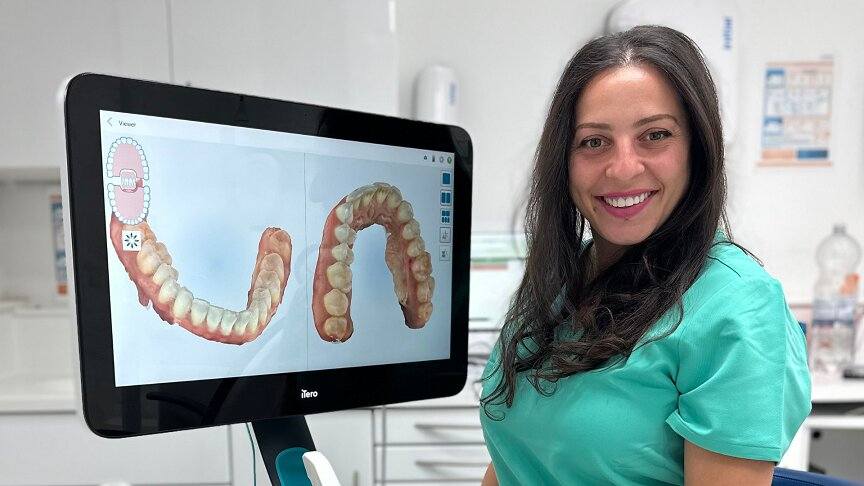
Even the most experienced dentists requite a skilled veneer technician to produce good results. Veneers are handcrafted, so the lab’s artistry greatly affects results.
Features Of A Strong Veneer Laboratory
Look for dentists who collaborate with:
- Cosmetic-focused ceramists
- Technicians trained in natural layering techniques
- Labs known for premium aesthetic work.
- Custom shading and staining services.
Why Lab Quality Varies
Some labs produce basic veneers that look uniform, while high-end aesthetic labs create bespoke designs for each tooth.
💡Ask who makes the dental veneers — excellent dentists take pride in their lab partnerships.
Checking Patient Reviews And Reputation
Patient experiences provide valuable insight into quality and satisfaction.
What To Look For In Reviews
Strong cosmetic veneer dentists will have:
- Numerous positive reviews specifically mentioning porcelain veneers
- Comments about communication, comfort and results
- Patients praising natural-looking outcomes.
- Consistency across platforms such as Google, TrustPilot and social media
Testimonials And Video Reviews
Video testimonials can be especially helpful because they show:
- The patient speaking naturally.
- Real smile movement
- Results in dynamic lighting
💡 Focus on reviews mentioning natural aesthetics, comfort and long-term satisfaction.
Understanding Pricing And What It Includes
Price is often a key determinant for treatment – however, it should not be the primary criteria in our opinion. Cheaper veneers often lead to poor aesthetics or early replacement.
What A High-Quality Veneer Price Should Cover
A reputable veneer dentist will include:
- Full consultation and oral assessment
- Smile design and digital planning
- High-grade porcelain.
- Skilled laboratory work.
- Trial mock-ups.
- Follow-up visits and adjustments
Red Flags In Pricing
Be cautious of:
- Extremely low prices
- Veneers done in a single quick visit,
- No smile design process.
- No preview options
💡Value comes from expertise and materials — not low cost. Choose quality over short-term savings. Visit one of our expert dentists for a porcelain veneers consultation at Whites Dental.
Questions To Ask Before Choosing A Porcelain Veneer Dentist
Asking the right questions can help you evaluate whether a dentist is a good fit.
Essential Questions
- How many porcelain veneer cases have you completed?
- Do you use Digital Smile Design or 3D planning?
- What type of porcelain do you use?
- Can I see before-and-after photos from recent cases?
- Which dental laboratory do you work with?
- How long do your veneers typically last?
- Will my treatment be minimally invasive?
Questions About Customisation
- How do you decide the shape and shade of veneers?
- Do you consider my face shape, lip movement, and gum line?
- Can I see a mock-up before the veneers are made?
💡Bring a list of questions — a skilled cosmetic dentist will welcome them.
Why Technique And Aesthetic Philosophy Matter
No two veneer dentists design teeth the same way. A dentist’s artistic approach affects your final smile.
Aesthetic Principles In Veneer Design
The best dentists consider:
- Facial symmetry.
- Smile width.
- Gum contour
- Tooth shape and micro-texture
- The degree of translucency appropriate for your age
Design Should Be Tailored
Your porcelain veneers should:
- Suit your personality.
- Look natural
- Enhance your unique features.
- Avoid the “one-size-fits-all” fake white look
💡 Choose a dentist whose aesthetic style matches your personal taste.
The Importance Of Proper Oral Health Before Veneer Placement
Even the best veneers require healthy foundations.
Conditions That Must Be Addressed First
- Gum disease
- Gum recession
- Cavities.
- Bite issues.
- Enamel weakness
Why Pre-Treatment Matters
Treating foundation issues first ensures:
- Better veneer longevity
- Stronger bonding
- Healthier gums.
- More predictable results
💡 A good dentist will prioritise oral health over rushing into cosmetic treatment.
How Whites Dental Can Assist With Providing You With High Quality Porcelain Veneers
Whites Dental provides advanced porcelain veneer treatment supported by cosmetic expertise, digital smile planning, and natural aesthetic design. Their cosmetic team focuses specifically on high-quality veneer work, ensuring the treatment is personalised, minimally invasive and designed for long-term durability.
At Whites Dental, our dentists use Digital Smile Design, allowing the patient to preview their smile outcomes prior to undertaking treatment. Their dentists work closely with specialist aesthetic laboratories for bespoke porcelain craftsmanship.
Whites Dental has two convenient London locations — Waterloo and Marble Arch — making access to high-quality porcelain veneer treatment simple and comfortable.
FAQs About Choosing The Right Dentist For Porcelain Veneers
How do I know if a dentist specialises in porcelain veneers?
Look for dentists who perform multiple veneer cases weekly, have advanced cosmetic qualifications, and show extensive before-and-after galleries.
Should veneers always be planned using digital technology?
While not mandatory, digital planning significantly improves precision, design accuracy, and overall satisfaction.
How important is a mock-up when choosing a dentist?
A mock-up is essential — it allows you to preview your results and ensures the dentist’s design aligns with your expectations.
Can any dentist offer natural-looking veneers?
No. Achieving natural aesthetics requires cosmetic artistry, advanced training and collaboration with a high-end lab.
What is a red flag when choosing a veneer dentist?
If the consultation is rushed or if the dentist pushes you quickly into treatment without assessing your oral health, it’s a warning sign.