


Key Takeaways
- Untreated gum disease gets progressively worse and never improves on its own.
- Early-stage gingivitis can be reversed, but advanced periodontitis causes irreversible bone loss and gum recession.
- If left untreated, gum disease can lead to loose teeth, tooth loss and long-term oral damage.
- Persistent bad breath, bleeding gums, and swollen gums are early warning signs that should not be ignored.
- Gum disease is linked to serious health conditions including heart disease, diabetes complications, respiratory problems and pregnancy issues.
💡 Specialist periodontal treatment at Whites Dental Waterloo and Whites Dental Marble Arch (W2) helps stop gum disease, preserve your teeth and protect your overall health.
Understanding Gum Disease
Gum disease is one of the most common dental conditions worldwide, yet it’s also one of the most misunderstood. Many patients dismiss early symptoms such as bleeding gums, occasional swelling, or bad breath, believing these issues will resolve themselves — but they won’t.
Gum disease is an ongoing bacterial infection, and like any infection, it continues to worsen without proper gum treatment. The disease typically progresses through two stages:
- Gingivitis — early-stage gum inflammation
- Periodontitis — advanced gum and bone infection
💡 The earlier gum disease is treated, the easier and less invasive the gum disease treatment will be. When ignored, the consequences become far more serious and long-lasting.
Why Untreated Gum Disease Gets Worse

Gum disease is caused by plaque — a film of bacteria that sticks to the teeth and gum line. When not removed properly through brushing, flossing, and professional cleanings, plaque hardens into tartar, triggering gum inflammation.
Over time, this inflammation becomes destructive, affecting not only the gums but the deeper structures that support the teeth.
Gum disease is progressive, meaning:
- It does not stay the same
- It does not go away
- It worsens the longer it’s untreated
💡 Left alone, the infection spreads deeper beneath the gums, leading to bone loss, tooth mobility and eventually tooth loss.
Early Symptoms You Should Never Ignore
Even in its early stages, untreated gum disease can show noticeable signs. These should always be taken seriously. Common early symptoms include:
- Bleeding gums when brushing or flossing
- swollen or inflamed gums;
- Tender gums
- Persistent bad breath
- Build-up of plaque or tartar around teeth
- Mild gum recession.
💡 These early symptoms are often painless, which leads many patients to mistakenly ignore them. But this is precisely when treatment is easiest and most effective.
What Happens If Gingivitis Is Left Untreated?
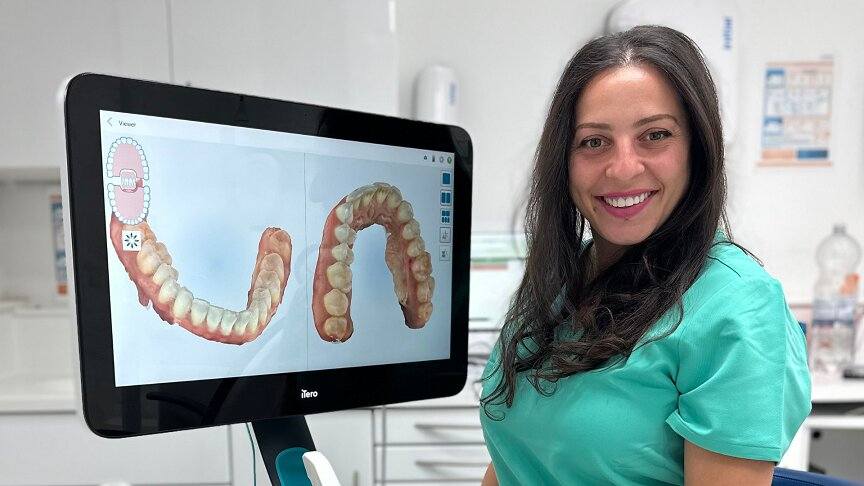
Gingivitis is the first stage of gum disease and is fully reversible — but only if treated early.
If gingivitis is ignored, it gradually transforms into periodontitis, an advanced stage that causes permanent damage.
Untreated gingivitis can lead to:
- Increased gum swelling
- More frequent bleeding
- Bacterial spread into deeper tissues
- Formation of periodontal pockets.
- Gum recession.
💡 This transition to periodontitis marks the point where the disease becomes far more difficult, time-consuming and costly to manage.
What Happens When Gum Disease Advances to Periodontitis?
Once gum disease reaches the periodontitis stage, the infection begins damaging the supporting structures of the teeth. This includes:
- The gums;
- The periodontal ligament
- The jawbone
At this point, the effects are not reversible — though they can still be treated and stabilised.
Consequences of untreated periodontitis include:
- Destruction of the bone around the teeth
- Deep periodontal pockets
- Loose or wobbly teeth;
- Gum recession exposing tooth roots
- Chronic infection.
- Tooth loss
💡 Periodontitis is the leading cause of tooth loss in adults, including those who otherwise have healthy teeth.
How Untreated Gum Disease Affects Your Smile
The aesthetic impact of untreated gum disease can be significant. Many patients report changes that affect their confidence and oral comfort.
Gum Recession
As gums pull away from the teeth, the roots become exposed, making the teeth look longer.
Black Triangles Between Teeth
Gum loss can create dark spaces between teeth due to shrinking gum tissue.
Shifting Teeth
Bone loss can cause teeth to drift or move, altering your bite and smile alignment.
Tooth Loss
When too much bone is lost, the tooth can no longer be supported.
💡 These cosmetic changes are difficult and often costly to reverse — a strong reason to treat gum disease early.
How Untreated Gum Disease Affects Your Overall Health
Perhaps the most overlooked danger of untreated gum disease is its impact on general health.
Research shows strong links between periodontitis and several serious medical conditions.
Heart Disease
Bacteria from infected gums can enter the bloodstream, contributing to inflammation and arterial plaque build-up.
Diabetes Complications
Diabetes and gum disease worsen each other. Poor gum health can make blood sugar control more difficult.
Respiratory Problems
Breathing in harmful bacteria from gum infections can exacerbate lung conditions such as COPD or pneumonia.
Pregnancy Issues
Untreated gum disease increases the risk of:
- Premature birth
- Low birth weight
- Pregnancy-related complications
Rheumatoid Arthritis
Chronic inflammation from gum disease can worsen joint inflammation and autoimmune symptoms.
Cognitive Decline
Emerging studies show possible associations between gum disease bacteria and Alzheimer’s disease.
💡 Gum disease doesn’t stay in the mouth — it affects the entire body.
What Happens To The Jawbone Without Treatment?
As gum disease advances, the jawbone beneath your teeth begins to break down. This leads to:
- Bone shrinkage
- Loose teeth
- Sunken facial appearance
- Limited options for dental implants;
💡 Bone lost to periodontitis does not grow back naturally.
What Happens To Your Breath And Comfort?
Untreated gum disease causes ongoing discomfort and social challenges.
Persistent Bad Breath
The infection produces strong-smelling sulphur compounds that cause chronic halitosis.
Unpleasant Taste
Many patients experience a metallic or bitter taste due to bacterial toxins.
Pain And Sensitivity
As gums recede, tooth roots become exposed, causing sharp sensitivity to cold, heat or brushing.
Difficulty Chewing
Advanced gum disease can make biting and chewing feel uncomfortable or unstable.
What Happens If Gum Disease Is Left Untreated For Years?
Over several years, untreated gum disease can cause severe, life-changing problems.
Severe Bone Loss
The jawbone gradually erodes, making teeth loose or unretainable.
Multiple Tooth Loss
Several teeth may be lost over time, resulting in difficulty eating and speaking.
Costly Restorative Work
Untreated gum disease often leads to the need for:
- Dentures;
- Bridges
- Bone grafts
- Dental implants
Systemic Health Risks Increase
Long-term inflammation elevates the risk of heart, lung and cognitive conditions.
How Periodontal Treatment Helps
Despite the seriousness of untreated gum disease, the condition can be effectively treated and controlled. Professional treatment may include:
- Deep cleaning (scaling and root planing)
- Antibacterial therapy
- Laser periodontal treatment
- Periodontal maintenance
- Regenerative procedures (grafts, bone regeneration, etc.)
💡 Even advanced gum disease can be stabilised and managed long-term with specialist care.
Periodontal Treatment At Whites Dental
Patients seeking expert gum disease treatment in Central London can access specialist periodontal care at both Whites Dental Waterloo and Whites Dental Marble Arch (W2).
Whites Dental Waterloo
📍 172 Blackfriars Rd, London SE1 8ER
📞 020 8616 0590
Whites Dental Marble Arch (W2)
📍 52B Kendal St, St George’s Fields, London W2 2BP
📞 020 3576 2325
Our periodontal team provides:
- Friendly, patient-centred care.
- Gentle but effective deep cleaning;
- Specialist treatment for moderate to severe gum disease.
- Long-term gum maintenance plans.
- Advanced technology including lasers and regenerative techniques
💡 Whether you’re showing early signs or experiencing more advanced symptoms, our team can help protect your smile and overall health.
Final Thoughts: What Happens If Gum Disease Is Left Untreated?
In summary:
- Gum disease never improves on its own
- Untreated, it can lead to bone loss, tooth loss, persistent infection, and major oral health problems.
- It also increases risks for heart disease, diabetes complications, arthritis, and more.
- The earlier gum disease is treated, the easier it is to reverse, manage, and control.
💡 If you notice bleeding gums, bad breath or gum recession, early treatment for gum disease at a periodontal clinic offers the best possible outcome.