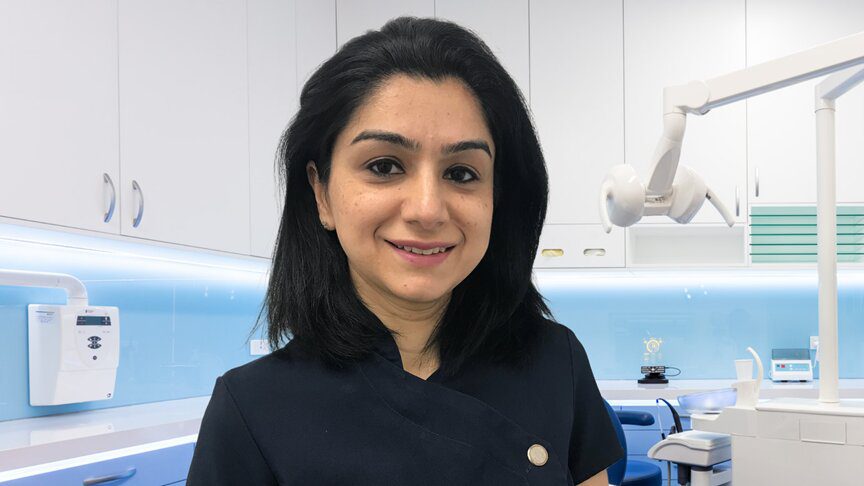


Toothache is one of the most common dental complaints across all age groups, yet it is also one of the most preventable. From early childhood through adulthood, consistent habits, timely professional toothache treatment and informed daily choices can dramatically reduce the risk of tooth pain. Understanding how prevention differs between children and adults — and where it overlaps — is essential for long-term oral comfort and health.
Key Takeaway
Toothache prevention relies on daily oral hygiene, age-appropriate dental care, smart dietary choices and regular dental check-ups. Children benefit most from early habit-building and supervision, while adults must focus on maintenance, early intervention and managing lifestyle-related risks. Consistent prevention reduces pain, lowers treatment costs and protects long-term oral health.
Why Toothache Prevention Matters At Every Age

Tooth pain rarely appears without warning. It is usually the final stage of ongoing irritation, decay, inflammation, or infection. Preventive care stops problems before they reach the nerve, which is where pain becomes severe. Ignoring prevention often leads to:
- Tooth decay progressing unnoticed.
- Gum disease damaging tooth support
- Infections spreading deeper into the jaw.
- Emergency dental visits and complex treatments
For children, untreated issues can affect speech, nutrition, and adult tooth development. For adults, prevention protects natural teeth and avoids avoidable dental emergencies.
💡 Toothache prevention is far easier — and far less costly — than treating established dental pain with a toothache dentist.
Common Causes Of Toothache In Children And Adults
Although age influences risk factors, many causes overlap across life stages.
Shared Causes Across All Ages
Tooth pain commonly develops due to:
- Tooth decay breaking through enamel
- Gum inflammation exposing sensitive roots
- Cracked or damaged teeth
- Dental infections reaching the pulp
Age-Specific Risk Factors
Children are more vulnerable to:
- Poor brushing technique
- High sugar intake
- Infrequent dental visits
Adults face increased risk from:
- Gum recession
- Teeth grinding
- Old restorations failing over time
Understanding these differences helps tailor prevention strategies effectively.
💡 Toothache usually reflects long-term irritation, not a sudden problem.
Daily Oral Hygiene Habits That Prevent Toothache
Consistent oral hygiene is the foundation of prevention for both children and adults.
Effective Brushing Practices
Brushing removes plaque that causes decay and gum inflammation.
- Brush twice daily using fluoride toothpaste
- A soft-bristled tooth brush should be used in order to protect your enamel and gums
- Clean all surfaces, including along the gumline
For children, supervision ensures proper technique until coordination improves.
Flossing And Interdental Cleaning
Food trapped between teeth leads to hidden decay.
- Floss once daily to remove plaque between teeth
- Use interdental brushes where spacing allows
- Introduce flossing early to build lifelong habits
Adults especially benefit from interdental cleaning as gum recession increases with age.
💡 Brushing alone is not enough — interdental cleaning prevents pain between teeth.
Diet And Nutrition In Toothache Prevention
What you eat has a direct impact on tooth pain risk.
Foods That Increase Toothache Risk
Frequent sugar exposure feeds decay-causing bacteria.
- Sugary snacks and drinks
- Sticky foods that cling to teeth
- Acidic beverages that weaken enamel
Children are particularly vulnerable to frequent snacking, while adults often overlook acidic drinks.
Tooth-Friendly Dietary Choices
Balanced nutrition strengthens teeth naturally.
- Calcium-rich foods support enamel strength
- Crunchy fruits and vegetables stimulate saliva
- Water helps wash away food debris
Reducing sugar frequency is more important than total sugar intake.
💡 Limiting how often sugar touches teeth matters more than how much is eaten.
Fluoride And Dental Protection At Different Life Stages
Fluoride plays a major role in preventing toothache by strengthening enamel.
Fluoride For Children
Children benefit from age-appropriate fluoride use.
- Fluoride toothpaste strengthens developing enamel
- Professional fluoride treatments add protection
- Supervised use prevents overexposure
Fluoride For Adults
Adults still need fluoride protection.
- Fluoride toothpaste helps prevent root decay
- Prescription-strength products may be recommended
- Fluoride supports enamel weakened by wear
Fluoride is especially valuable for those prone to sensitivity or frequent cavities.
💡 Fluoride remains essential for toothache prevention throughout life.
The Role Of Regular Dental Check-Ups
Professional dental care detects problems before pain begins.
Why Routine Visits Matter
Dentists identify early signs of trouble that are invisible at home.
- Small cavities before they cause pain
- Gum disease before teeth loosen
- Cracks or wear before nerves are affected
Children benefit from monitoring growth and development, while adults rely on maintenance care.
Recommended Visit Frequency
Most patients benefit from:
- Dental check-ups every six months
- More frequent visits if high-risk
- Regular professional cleaning
Skipping appointments often leads to painful surprises later.
💡 Preventive dental visits stop toothaches before symptoms appear, pre-empting the need for tooth pain relief.
Preventing Toothache In Children
Children need tailored strategies that build habits early and protect developing teeth.
Establishing Early Dental Routines
Positive experiences encourage lifelong care.
- Begin brushing as soon as teeth appear
- Make brushing routine and supervised
- Use child-friendly tools and encouragement
Protecting Teeth During Growth
Children’s teeth are vulnerable to damage.
- Use mouthguards during sports
- Address thumb-sucking or grinding habits
- Monitor eruption of adult teeth
Early prevention reduces the need for future dental intervention.
💡 Childhood habits shape oral health for life.
Preventing Toothache In Adults

Adult prevention focuses on maintenance, early intervention and lifestyle awareness.
Managing Wear And Tear
Years of use weaken teeth gradually.
- Address teeth grinding early
- Replace worn fillings promptly
- Treat sensitivity before it worsens
Gum Health And Tooth Support
Gum disease is a major cause of adult toothache.
- Maintain daily gumline cleaning
- Watch for bleeding or swelling
- Seek treatment at early signs
Healthy gums are essential for pain-free teeth.
💡 Adult toothache often begins in the gums, not the tooth itself.
Habits That Increase Toothache Risk
Certain behaviours undermine even good oral hygiene.
- Skipping brushing due to fatigue
- Using teeth as tools
- Smoking or vaping
- Ignoring early warning signs
Children may develop bad habits unknowingly, while adults often underestimate long-term impact.
💡 Avoidable habits are a leading cause of preventable tooth pain.
When Prevention Isn’t Enough
Even with excellent care, problems can still arise.
Warning Signs To Watch For
Early symptoms should never be ignored.
- Sensitivity to hot or cold
- Dull aches when biting
- Bleeding gums
- Persistent bad taste
Prompt assessment prevents escalation.
💡 Early action stops mild discomfort becoming severe pain.
How Whites Dental Can Help With Toothache Prevention
Professional guidance strengthens prevention at every stage of life. At Whites Dental, we have some of the most experienced toothache treatment dentists in London, providing preventive diagnostics and treatments for children and adults. Patients benefit from:
- Thorough dental examinations
- Preventive treatments tailored to age and risk
- Early detection of tooth and gum problems
- Practical advice for home care
- Toothache treatment in London
Whites Dental has two convenient London locations in Waterloo and Marble Arch, offering accessible preventive care for families and individuals.
💡 Preventive dental care is the strongest defence against toothache.
Final Thoughts On Preventing Toothache For Life
Toothache is not an inevitable part of growing older. With consistent daily habits, informed dietary choices, and regular professional care, both children and adults can maintain comfortable, pain-free teeth.
Prevention protects more than just teeth — it supports confidence, wellbeing and long-term oral health. Acting early, staying consistent and seeking professional advice when needed ensures toothache remains a rare occurrence rather than a recurring problem.