

Toothache can be disruptive, painful and stressful, leading many people to reach for quick, over-the-counter solutions. One commonly used product is Bonjela. But is Bonjela actually effective for toothache or does it simply mask symptoms without addressing the real issue? This article explores how Bonjela works, when it may help, its limitations and why professional toothache treatment is often essential for lasting relief.
Key Takeaway
Bonjela can provide short-term relief for gum-related discomfort but is not an effective treatment for true toothache caused by decay, infection or nerve damage. Tooth pain usually signals an underlying dental problem that requires professional diagnosis and treatment to prevent complications and long-term damage.
What Is Bonjela And How Does It Work?

Bonjela is a topical oral gel designed primarily to relieve pain and inflammation in the gums and soft tissues of the mouth. It is widely used for mouth ulcers, teething discomfort and minor gum irritation. The gel works by being applied directly to the affected area, where its active ingredients begin to soothe inflammation and dull surface pain. Because it is applied locally, relief can feel quick, which is why many people try it when toothache strikes.
However, Bonjela’s mechanism of action is limited to surface tissues. It does not penetrate deeply enough to reach the inner structures of a tooth where most toothaches originate. Common features of Bonjela include:
- Temporary numbing of soft tissue.
- Anti-inflammatory action at the gum surface
- Easy over-the-counter availability.
💡If pain improves only briefly after applying Bonjela, this often suggests the source is deeper than the gums and needs dental assessment.
Types Of Toothache And Why The Cause Matters
Not all toothaches and tooth pains are the same and understanding the cause of pain is crucial when deciding whether Bonjela is appropriate. True toothache typically comes from problems inside the tooth or below the gum line. These issues cannot be resolved with surface treatments alone. Gum-based pain, on the other hand, may respond slightly better to products like Bonjela.
Common causes of toothache include:
- Tooth decay reaching the dentine or pulp.
- Dental abscess or infection
- Cracked or fractured teeth.
- Gum disease affecting supporting tissues
- Exposed tooth roots
Bonjela may soothe discomfort linked to inflamed gums, but it will not treat decay, infection, or nerve involvement.
💡Pain that worsens when biting, chewing or lying down is unlikely to improve with Bonjela alone.
Can Bonjela Help With Gum-Related Pain?
Bonjela can be mildly helpful when pain is caused by superficial gum irritation rather than the tooth itself. Conditions such as early gingivitis or minor trauma to the gums may feel more comfortable after application. In these situations, Bonjela may reduce inflammation and ease soreness temporarily. This can make eating and speaking more comfortable while the gums heal.
Situations where Bonjela may offer short-term benefit:
- Mild gum inflammation
- Soreness from food impaction.
- Irritation caused by dental appliances.
- Ulcers or soft tissue injuries
Despite this, gum pain is often linked to plaque buildup or early gum disease, which still requires professional cleaning and advice.
💡 If gum pain lasts more than a few days, a dental check-up is essential to prevent progression to more serious disease.
Why Bonjela Is Not Effective For True Toothache
Most toothaches originate from inside the tooth, where nerves and blood vessels are located. Bonjela cannot reach these internal structures, which is why it often fails to provide meaningful or lasting relief. Toothache caused by decay or infection typically worsens over time if untreated. Applying Bonjela may dull the pain briefly, but the underlying problem continues to develop.
Reasons Bonjela does not resolve toothache:
- It does not penetrate enamel or dentine.
- It cannot eliminate bacteria inside the tooth
- It does not reduce pressure from infection.
- It cannot repair damaged tooth structure.
Relying on Bonjela alone can delay proper treatment and increase the risk of complications.
💡Pain relief without treatment for toothache often allows dental problems to worsen silently beneath the surface.
Risks Of Relying On Bonjela For Tooth Pain
Using Bonjela repeatedly for toothache can create a false sense of security. When pain is masked, people may postpone seeing a toothache dentist, allowing the condition to progress. Untreated dental infections can spread beyond the tooth, affecting the jaw, sinuses and even general health. What begins as manageable pain may eventually require more complex and costly treatment.
Potential risks include:
- Worsening tooth decay.
- Development of dental abscesses
- Increased risk of tooth loss
- Spread of infection to surrounding tissues
Bonjela should never be considered a substitute for professional dental care.
💡 If tooth pain returns after the gel wears off, the problem is unlikely to resolve on its own.
Bonjela Vs Other Temporary Toothache Remedies

Bonjela is often compared with other short-term remedies used for tooth pain. While some options may reduce discomfort slightly, none replace dental treatment. Temporary approaches people often try:
- Saltwater rinses to reduce bacteria
- Cold compresses for inflammation
- Over-the-counter painkillers
- Clove oil for mild numbing effects.
Each of these methods offers limited relief and works best when combined with prompt dental care.
💡 Temporary remedies are best used only to manage discomfort until you can see a toothache treatment dentist.
When Toothache Needs Urgent Dental Attention
Certain symptoms indicate that toothache requires immediate professional care, regardless of whether Bonjela helps temporarily. Warning signs include:
- Persistent or worsening pain.
- Facial swelling
- Fever or general unwellness.
- Pain that radiates to the ear or jaw
- Bad taste or pus near the tooth
These symptoms often point to infection, which cannot be treated safely at home.
💡 Toothache combined with swelling or fever should always be treated as urgent.
How Dentists Treat Toothache Effectively
Professional dental treatment targets the cause of toothache, not just the symptom. Dentists use extensive oral assessments and x-ray imaging to diagnose and identify the source of tooth pain.
Treatment for toothache depends on diagnosis and can include:
- Fillings for tooth decay
- Root canal treatment for infected pulp
- Gum therapy for periodontal disease.
- Tooth extraction when damage is severe
- Antibiotics if infection is present
Addressing the underlying issue provides lasting relief and prevents recurrence.
💡 Early treatment is usually simpler, less invasive, and more cost-effective.
How Whites Dental Can Help With Toothache Relief
If you are using Bonjela for toothache but still experiencing pain, professional care is the next essential step. Whites Dental provides expert toothache treatment dentists in London – offering tooth pain relief to patient’s safely and effectively. Patients benefit from:
- Thorough toothache assessments.
- Advanced diagnostic tools.
- Clear treatment plans
- Gentle, patient-focused care
- Emergency appointments when needed
Seeking care early at Whites Dental can prevent minor issues from becoming serious dental emergencies.
💡 If Bonjela isn’t resolving your pain, booking a dental visit is the fastest way to lasting relief.
Final Thoughts: Is Bonjela Good For Toothache?
Bonjela has a place in managing minor gum discomfort, but it is not a reliable solution for toothache. True tooth pain almost always signals an underlying problem that requires professional attention.
Using Bonjela may offer short-term comfort, but lasting relief only comes from identifying and treating the cause. If toothache persists, worsens, or returns, a dental visit should never be delayed.
💡 Toothache is your body’s warning system—listening early can save pain, time and teeth.
Author

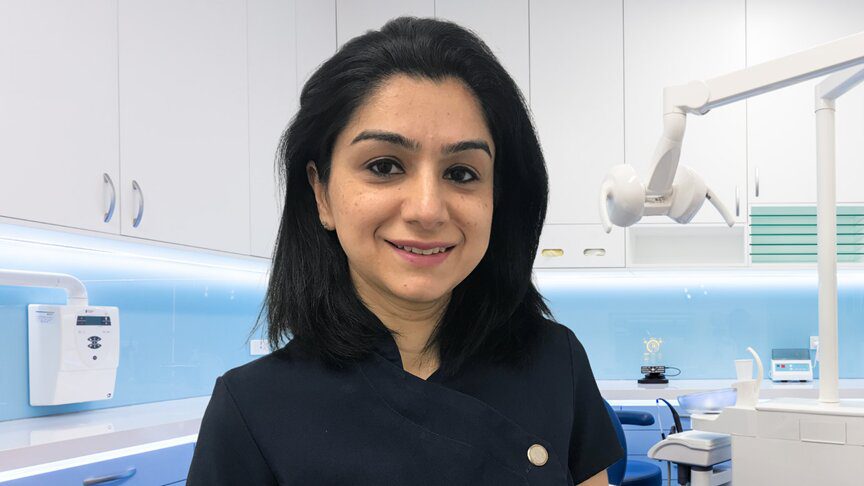
Dr Deepa Chopra
Principal Dentist & Clinic Founder
GDC registration number: 124489
Membership of the Faculty of Dental Surgery from the Royal College of Surgeons of Edinburgh
Membership of the British Dental Association
Restorative Dentistry from Tipton
Align Invisalign profile
LinkedIn profile
Areas of Expertise: 20+ Years Dentistry Experience. General Dentistry, Cosmetic Dentistry, Restorative Dentistry, Invisalign, Composite Bonding, Veneers, Root Canals, Crowns, Dentures, Gum Disease, Hygienist Services, Emergency Dental Services & Teeth Whitening.