


Key Takeaway
Sharp and dull tooth pain feel different for a reason — they point to different underlying dental problems. Sharp tooth pain is typically linked to cracked teeth, nerve irritation, enamel damage, or biting pressure on a compromised structure. Dull tooth pain is more often related to deep decay, infection, gum disease, or chronic inflammation inside the tooth. Understanding the difference helps you recognise when the issue is urgent, when it may worsen quickly, and why professional diagnosis is essential. This article explains the causes, symptoms, diagnosis and treatment options for both types of pain, as well as when to seek immediate dental care at a reputable clinic such as Whites Dental in London.
💡 If you are experiencing any kind of tooth pain, we advise you to visit a dentist in London to treat tooth pain right away.
Understanding The Difference Between Sharp And Dull Tooth Pain
Tooth pain varies not only in intensity but also in type. These differences exist because each structure inside the tooth and surrounding tissues respond differently to irritation or damage. Recognising the pattern of pain often helps narrow down the likely cause.
- Sharp pain is sudden, intense, often triggered by biting, cold, or sweet foods.
- Dull pain or toothache is more constant, throbbing, or pressure-based, and may worsen gradually.
- Sharp pain usually indicates surface or structural problems
- Dull pain typically signals deeper inflammation or infection.
- Both types of pain require professional assessment to avoid complications.
- Early intervention prevents small problems from becoming extensive, costly conditions.
💡Pay attention to the pattern and triggers of your pain — this detail helps your toothache dentist diagnose the problem more accurately and treat it faster.
What Causes Sharp Tooth Pain?
Sharp tooth pain is typically associated with structural issues or sudden nerve stimulation. It often feels like a quick, stabbing sensation that may come and go unpredictably.
Cracked Or Fractured Tooth
A cracked tooth is one of the most common reasons for sharp, intermittent pain. The fracture can irritate the tooth’s inner nerve as you bite or chew.
- Sharp pain when biting down.
- Pain when releasing the bite.
- Sensitivity to cold
- Difficulty chewing on one side.
- Fine cracks not always visible on X-rays
A cracked tooth is always a dental emergency because the crack can worsen, allowing bacteria to reach the pulp.
Enamel Erosion
When the enamel wears down, stimuli like cold drinks or sweets reach the dentin quickly, triggering sharp, fleeting pain.
- Pain from cold or sweet food
- Rough or thin-feeling tooth surfaces
- Increased sensitivity over time
Enamel erosion progresses with diet, grinding or brushing too hard.
Dental Cavities
A small cavity that hasn’t yet reached the nerve can create sharp pain, especially with sugar, cold or biting pressure.
- Localised sharp pain
- Visible pits or dark spots.
- Sensitivity that worsens over time
Untreated cavities progress into dull, throbbing pain once the nerve is involved.
Gum Recession
When gums pull back, the exposed root surface becomes hyper-sensitive to cold and touch.
- Sharp pain from cold air
- Pain when brushing
- Tooth appearing longer;
Root surfaces lack enamel, so sensitivity is common.
Sensitive Teeth
Generalised sensitivity is often sharp but brief. It may result from worn enamel, recent whitening, or dietary acids.
- Pain lasting a few seconds;
- Triggered by cold or brushing
- More widespread, affecting several teeth
💡Sharp pain almost always points to a physical stimulus on an injured or sensitive area — early toothache treatment prevents worsening cracks or cavities.
What Causes Dull Tooth Pain?

Dull tooth pain usually indicates deeper, more chronic problems involving infection, inflammation or pressure inside the tooth.
Tooth Infection (Dental Abscess)
A severe infection inside or around the tooth leads to constant, throbbing, dull pain that may worsen when lying down.
- Persistent dull ache
- Facial swelling
- Bad taste in the mouth
- Fever or feeling unwell
This requires urgent root canal treatment or extraction.
Deep Decay
When decay reaches the pulp, inflammation develops inside the tooth, producing a deep aching sensation.
- Pain that lingers after hot or cold
- Sensitivity to pressure
- Difficulty eating on one side,
Deep decay often requires root canal therapy.
Gum Disease
Inflamed or infected gums cause dull, periodic pain and tenderness around multiple teeth.
- Bleeding gums
- Bad breath.
- Gum swelling.
- Loose teeth in advanced cases
Gum disease progresses slowly but requires structured periodontal treatment.
Impacted Wisdom Teeth
A tooth trapped under the gum or bone creates constant pressure, radiating dull pain to the jaw, ear, or neck.
- Difficulty opening mouth
- Swollen gums behind molars.
- Pain spreading to jaw or head.
Bruxism (Teeth Grinding)
Grinding or clenching wears down tooth surfaces and strains muscles, producing dull, diffuse pain.
- Morning jaw soreness.
- Headaches.
- Flattened teeth
- Increased tooth sensitivity
💡 Dull, throbbing pain is often a warning sign of infection or inflammation — early dental care prevents irreversible nerve damage.
Symptoms That Help You Distinguish Sharp Vs. Dull Pain
Recognising the distinct sensations helps you identify the likely cause and urgency.
Characteristics Of Sharp Tooth Pain
- Sudden, intense jolts
- Pain when biting or releasing bite.
- Triggered by cold, sweet or touch.
- Pain often short-lived but recurrent
- Localised to one tooth
Characteristics Of Dull Tooth Pain
- Constant ache or pressure
- Pain worsens at night
- Throbbing sensation
- Triggered by heat.
- May radiate to jaw or ear.
Pain Duration And What It Means
- Pain that lasts a few seconds → sensitivity or early decay.
- Pain that lingers over 30 seconds → nerve inflammation.
- Pain that wakes you at night → irreversible pulp damage.
- Pain accompanied by swelling → infection
💡 Note when the pain starts, how long it lasts, and what triggers it — dentists use this information to make fast and accurate diagnoses.
How Dentists Diagnose Sharp And Dull Tooth Pain
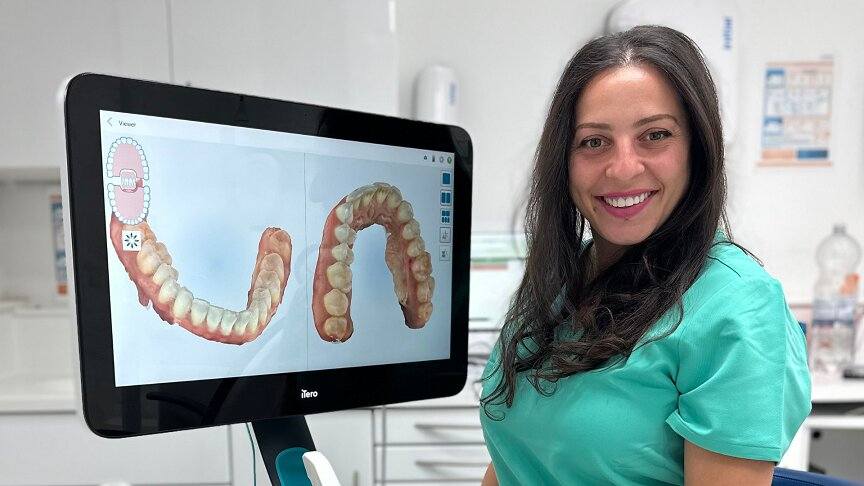
Dentists use a combination of examination techniques and tests to identify the exact cause.
Clinical Examination
Your dentist checks for visible decay, cracks, gum issues, or bite problems.
Bite Tests
Bite sticks or pressure tests help identify cracks or fractures.
Cold Or Heat Testing
Temperature tests reveal nerve health and inflammation levels.
X-Rays
X-rays detect decay, infection, bone loss, and hidden fractures.
Percussion Testing
Tapping teeth helps determine if inflammation has spread to surrounding tissues.
Gum Probing
Measurements around teeth reveal gum disease or recession.
Digital Scans
Modern scanners assess enamel wear, bite alignment, and fracture lines.
💡 Even subtle pain patterns give dentists crucial clues — accurate diagnosis prevents unnecessary or incorrect treatments. A tooth pain should be treated right away.
Treatment Options For Sharp Tooth Pain
The treatment depends on the underlying cause identified during your examination.
Treatments For Cracked Teeth
- Dental bonding for minor cracks
- Onlays or crowns for structural cracks
- Root canal is needed if the crack in the tooth reaches the pulp tissue in the tooth
- Extraction if the crack is severe
Treatments For Enamel Erosion
- Fluoride varnishes
- Desensitising treatments
- Composite restorations
- Lifestyle and dietary modifications
Treatments For Tooth Sensitivity
- Sensitive toothpaste
- Professional desensitising agents.
- Resin sealants
- Bite guards for grinding.
Treatments For Gum Recession
- Desensitising gels
- Gum grafts in severe cases.
- Improved brushing techniques
💡 Treating sharp pain early stops deeper damage — addressing minor cracks or erosion now prevents complex procedures later.
Treatment Options For Dull Tooth Pain
Dull pain is often a symptom of inflammation or infection and requires deeper intervention.
Root Canal Treatment
Removes infected pulp and preserves the tooth.
Abscess Drainage
Drains pus from severe infections, relieving pressure.
Tooth Extraction
Necessary when a tooth cannot be saved.
Periodontal Treatment
Deep cleaning and gum therapy for gum disease.
Wisdom Tooth Removal
For impacted or partially erupted teeth causing pain.
Bruxism Management
- Night guards
- Stress reduction.
- Bite adjustments
- Muscle therapy.
💡 Dull pain frequently indicates infection — delaying treatment can lead to swelling, spreading infection, and emergency care. Visit a dentist for tooth pain relief.
When Tooth Pain Is A Dental Emergency
Some pain patterns mean you should seek immediate care.
Emergency Symptoms
- Severe, unrelenting pain.
- Facial or gum swelling
- Fever or feeling unwell.
- Difficulty swallowing or breathing.
- Pus or bad taste
- Trauma to the teeth or jaw
💡 If symptoms escalate rapidly, seek urgent dental care — infections can spread quickly and must be treated promptly.
Preventing Sharp And Dull Tooth Pain
As the saying goes – prevention is much easier to action and also much more affordable than treatment for tooth pain.
Daily Habits
- Brush twice daily with fluoride toothpaste
- Use interdental brushes or floss
- Limit acidic and sugary foods
- Avoid chewing on hard objects
- Wear a night guard if you grind teeth.
Regular Dental Visits
- Check-ups every 6 months.
- Early detection of cracks, decay or gum issues
- Professional cleaning to prevent gum disease
Protective Measures
- Sports mouthguards
- Switching to a soft-bristle toothbrush.
- Drinking water after acidic meals.
💡 Most serious dental pain develops slowly — consistent oral care and regular check-ups stop problems before they cause discomfort.
How Whites Dental In London Can Help With Tooth Pain
Whites Dental provides comprehensive assessment and tailored toothache treatments with our dentist at our two dental clinics for all types of tooth pain. Whether the pain is sharp, dull, intermittent or severe, the team uses modern diagnostic tools and evidence-based treatments to identify the cause quickly and relieve symptoms effectively.
Whites Dental also offers emergency appointments for sudden or worsening tooth pain.
You can visit either of the clinic’s central London locations:
- Whites Dental Waterloo
- Whites Dental Marble Arch (W2)
Each location offers skilled clinicians, advanced imaging, gentle dental techniques, and a patient-focused approach designed to resolve tooth pain quickly and safely.
💡 Choosing a trusted clinic ensures fast, accurate treatment — Whites Dental provides expert care for both sharp and dull tooth pain.
Conclusion
Sharp and dull tooth pain provide important clues about what’s happening in your mouth. Sharp pain often signals cracks, sensitivity, erosion, or biting issues. Dull pain typically indicates deeper inflammation, infection, or pressure. Understanding these differences helps you recognise when to seek help and what type of treatment you may need. Early diagnosis and timely care from a trusted dental provider such as Whites Dental in London can prevent minor discomfort from turning into a serious dental problem.