

Key Takeaways
- Toothache often intensifies at night due to increased blood flow to the head, hormonal changes, and fewer distractions.
- Common causes include decay, infection, cracked teeth, gum disease, sinus pressure and teeth grinding.
- Immediate relief techniques include cold compresses, pain medication, saltwater rinses and sleeping in an elevated position.
- Severe or persistent night-time tooth pain usually signals an underlying dental condition that requires urgent toothache treatment.
- Professional care such as fillings, root canal therapy, periodontal treatment or cracked tooth repair may be needed depending on the cause.
💡 Whites Dental in Waterloo (SE1) and Marble Arch (W1H) offer same-day appointments to treat tooth pain in London.

Home remedies or pain killers only suppress the symptoms of toothache. A toothache doesn’t go away till you treat it’s underlying cause. Visit a dentist for assessment and treatment right away. The longer you wait, the harder and more expensive it can get to treat.
Why Toothache Often Feels Worse At Night

Night-time tooth pain is a common experience for many people, and the discomfort can feel disproportionately severe compared to daytime levels. While it may seem like the pain suddenly intensifies without warning, several physiological and behavioural factors contribute to this pattern.
When you lie down, blood flow naturally increases toward the head. This added pressure can amplify inflammation inside the tooth, especially if a nerve is exposed or infected. With fewer distractions—no work, conversations, or activities—your brain becomes more attuned to discomfort. Additionally, people often consume sugary snacks or cold/warm foods at night, which can irritate compromised teeth.
Contributing Factors That Intensify Night-Time Pain
- Increased blood pressure in the head when lying flat.
- Heightened awareness of discomfort due to reduced noise and activity.
- Night-time teeth grinding or clenching.
- Temperature sensitivity triggered by evening meals or drinks
- Hormonal changes that affect inflammation and pain perception
💡 These factors don’t cause tooth problems—but they magnify the symptoms of underlying dental issues that already exist.
How Lying Down Makes Tooth Pain Worse
When you go to bed, your body changes position and the fluids naturally shift. This has a direct impact on how a tooth responds to pressure and inflammation.
Lying flat raises blood pressure in the gums and surrounding tissues. If the tooth is decayed, cracked, or infected, the inflamed pulp is confined inside a rigid tooth structure, which means any increase in pressure leads to intensified throbbing sensations. This swelling cannot escape, which makes the pain feel worse.
Key Reasons Pressure Worsens When Lying Down
- Blood pools in the head, increasing nerve sensitivity.
- Inflamed tissues press harder against the tooth’s nerve chamber.
- Sinus congestion (especially at night) adds pressure to upper teeth.
- People tend to clench their jaw unconsciously while drifting off
💡 If you notice that your pain sharpens as soon as you lie down, this often indicates an internal issue within the tooth that requires professional diagnosis.
Common Dental Causes Of Night-Time Toothache
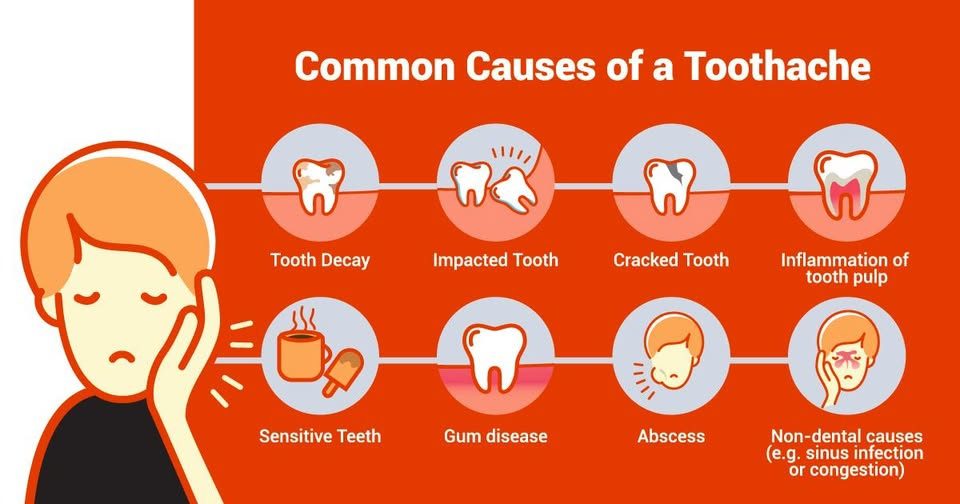
While the sensation intensifies at night, the source of the problem typically stems from an underlying dental condition. Understanding the most common causes can help determine how urgently treatment is needed.
1. Tooth Decay
Dental decay is one of the leading causes of night-time toothache. As cavities progress deeper into the tooth, they irritate the nerve and create sensitivity to temperature, pressure, or sugar.
Signs of decay-related pain include:
- Pain triggered by sweet foods
- Throbbing in a specific tooth
- Sensitivity to hot and cold
If decay reaches the pulp, pain often spikes at night, signalling the need for urgent intervention.
2. Tooth Infection (Dental Abscess)
A dental abscess creates an accumulation of pus caused by bacterial infection. This often produces severe throbbing pain that worsens when lying down.
Symptoms may include:
- Swelling around the tooth
- Fever or a feeling of being unwell
- A foul taste due to draining infection
Abscesses do not heal without treatment and often require root canal therapy or extraction.
3. Cracked Or Fractured Teeth
Even a small crack can expose the inner layers of the tooth, leading to heightened sensitivity. Night-time grinding or clenching can worsen symptoms.
Typical signs:
- Sharp pain while biting
- Discomfort triggered by cold water
- Pain that comes and goes
Cracks often require bonding, a crown or root canal therapy if the nerve is affected.
4. Impacted Wisdom Teeth
Wisdom teeth can cause pressure, swelling, and pain that intensifies at night, particularly if partially erupted or infected.
5. Gum Disease (Periodontal Issues)
Inflamed gums can cause dull, persistent pain. When advanced, periodontal pockets trap bacteria that cause night-time throbbing.
Non-Dental Causes Of Night-Time Toothache
Not every tooth pain or tooth ache initiates or starts from your teeth. Some conditions create referred pain that becomes more noticeable at night.
1. Sinus Infection
Sinus pressure can irritate upper molars, causing aching sensations that worsen when lying down.
2. Bruxism (Teeth Grinding)
Grinding often occurs subconsciously during sleep, leading to:
- Jaw pain
- Cracked teeth
- Tooth sensitivity
- Morning headaches
3. Tension Headaches
Tightened facial muscles can refer pain to teeth, especially at night when stress is unprocessed.
💡 Understanding whether the cause is dental or non-dental can help guide treatment steps.
Why Tooth Nerve Pain Intensifies At Night
The nerve inside the tooth (the dental pulp) is extremely sensitive. When irritated—whether by decay, trauma, or infection—it becomes reactive to pressure, temperature and inflammation. At night, inflammatory processes increase, making the nerve hyper-responsive. Additionally, the lack of external stimulation means the brain focuses more on pain signals.
Reasons Nerve Pain Spikes At Night
- Inflammation increases as the body relaxes
- No environmental distractions
- Temperature shifts from evening meals
- Lying down increases pulpal pressure
💡 If nerve pain is waking you up or preventing you from sleeping, this often indicates irreversible pulp inflammation—something that typically requires root canal therapy to resolve.
Immediate Relief For Night-Time Tooth Pain
While home remedies cannot replace professional treatment, they can offer temporary relief until you see a toothache dentist.
Effective Ways To Reduce Pain At Night
- Take over-the-counter pain relief (ibuprofen or paracetamol as appropriate)
- Apply a cold compress to reduce inflammation.
- Rinse with warm saltwater to help cleanse and soothe gums.
- Sleep with your head elevated to reduce blood pressure around the tooth.
- Avoid very hot, cold, or sugary drinks before bed.
- Use clove oil (a natural analgesic) on the area for temporary numbing.
- Avoid chewing on the affected side.
💡 These methods provide temporary comfort and tooth pain relief but do not treat the underlying condition.
When To Treat Toothache As A Dental Urgency
Some symptoms indicate the need for urgent professional care. Ignoring them can lead to worsening infection or tooth loss.
Signs You Need Urgent Treatment
- Sudden intense throbbing pain.
- Swelling of the face or gums.
- Fever, malaise, or a foul taste in the mouth.
- Pain that wakes you up at night.
- Pain that worsens quickly
- Difficulty swallowing or breathing
💡 If any of these symptoms occur, you should have toothache treatment with a dentist immediately.
What Treatments Are Available For Night-Time Tooth Pain?

Depending on the cause, several treatments for toothache may be required to resolve the underlying problem and stop the night-time pain.
Fillings
Used when decay has not yet reached the nerve.
Root Canal Treatment
Needed when infection or nerve inflammation is present. This removes infected tissue and stops pain permanently.
Periodontal Treatment
Deep cleaning or gum therapy may be needed if gum disease is the cause.
Crowns
Used for cracked, weakened, or heavily filled teeth.
Extraction
Performed when the tooth cannot be saved.
Bite Guards
Helpful for patients who grind their teeth at night.
💡 A proper examination allows the dentist to determine which solution is appropriate.
How To Prevent Night-Time Tooth Pain
Preventing recurring toothache requires consistent oral care and lifestyle adjustments.
Preventative Measures
- Brush twice daily using fluoride toothpaste.
- Floss every day.
- Attend dental check-ups twice per year.
- Avoid frequent snacking on sugary foods.
- Protect teeth with a nightguard if you grind.
- Address early signs of decay or gum disease promptly.
- Stay hydrated to prevent dry mouth, which worsens sensitivity
💡 Good habits significantly reduce the likelihood of severe night-time discomfort.
Should You Take Painkillers For Night-Time Toothache?
Pain medication can be helpful, but it should never replace treatment. Medication masks symptoms temporarily—while the condition often continues to worsen.
Safe Use Of Pain Relief
- Ibuprofen reduces inflammation and is often more effective for dental pain
- Paracetamol helps reduce discomfort
- We advise not to apply aspirin or aspirin tablets directly on to your gums as this can cause gum burns
- Follow dosage guidance strictly
💡 If you need painkillers for more than 48 hours, you should seek dental attention.
How Dentists Diagnose Night-Time Toothache
To determine the root cause, a dentist will perform:
- A full oral examination.
- X-rays to check for decay or infection.
- Bite tests for cracked teeth.
- Gum assessment to detect periodontal disease.
- Sensitivity tests to evaluate nerve health
💡 This allows the dentist to create a personalised treatment plan.
When Toothache At Night Means A Root Canal Is Needed
If the nerve is inflamed, infected or dying, night-time pain often becomes severe and persistent.
Indicators Of Pulp Infection
- Pain that is throbbing, deep or pulsing.
- Pain that spreads to the jaw, ear or temple.
- Prolonged sensitivity to hot or cold.
- Pain that occurs without stimulus.
- Pain that worsens when lying down
💡 Root canal treatment removes the infected nerve and stops the pain permanently.
When Toothache Is Linked To Gum Disease
Periodontal disease can cause dull, radiating tooth pain—especially at night when inflammation becomes more noticeable.
Signs Of Periodontal-Related Pain
- Bleeding gums.
- Gum recession.
- Loose teeth.
- Bad breath
- Discomfort when chewing
💡 Treatment may include scaling, root planing, periodontal maintenance, or laser therapy.
Why Night-Time Tooth Pain Shouldn’t Be Ignored
People often wait too long before addressing dental pain, hoping it will improve on its own. Unfortunately, dental problems progress silently. By the time night-time pain occurs, it is usually a sign that the issue is advanced.
Untreated tooth pain can lead to:
- Severe infection.
- Abscess formation.
- Tooth loss.
- Bone damage
- The infection can spread to other areas of your body
💡 Prompt treatment often prevents more complex or costly interventions later.
Toothache Treatment At Whites Dental London
At Whites Dental, our dentists provides diagnosis and treatment for tooth pain at our two dental clinics in London, offering emergency, same-day and late-evening appointments.
Our Waterloo Clinic (SE1)
172 Blackfriars Rd, London SE1 8ER
Our Marble Arch Clinic (W2)
52B Kendal St, St George’s Fields, London W2 2BP
Why Patients Choose Whites Dental
- Emergency and same-day appointments available,
- Experienced dentists in endodontics, restorative and emergency care,
- Modern diagnostic technology (digital X-rays, intraoral scanners)
- Gentle, patient-focused approach.
- Convenient central London locations.
💡 Whether your pain is from decay, infection, cracked teeth, gum disease or a sinus-related issue, our team provides accurate diagnosis and effective treatment.
Final Thoughts
Toothache that becomes worse at night is more than an inconvenience—it is often a sign of a deeper dental issue that requires professional care. While temporary home remedies may help manage discomfort, they cannot treat the underlying cause. If you are experiencing recurring night-time pain, it is important to seek dental attention promptly.
💡 Whites Dental in Waterloo and Marble Arch provides expert, compassionate care to relieve pain and restore your oral health as quickly as possible.
Author

Dr Deepa Chopra
Principal Dentist & Clinic Founder
GDC registration number: 124489
Membership of the Faculty of Dental Surgery from the Royal College of Surgeons of Edinburgh
Membership of the British Dental Association
Restorative Dentistry from Tipton
Align Invisalign profile
LinkedIn profile
Areas of Expertise: 20+ Years Dentistry Experience. General Dentistry, Cosmetic Dentistry, Restorative Dentistry, Invisalign, Composite Bonding, Veneers, Root Canals, Crowns, Dentures, Gum Disease, Hygienist Services, Emergency Dental Services & Teeth Whitening.