


Key Takeaway
- Ibuprofen, paracetamol and aspirin are the top 3 painkillers for toothache in London
- Painkillers can reduce toothache temporarily but cannot treat dental disease
- The effectiveness of painkillers depends on the cause of the toothache
- Relying on painkillers delays proper diagnosis and can worsen outcomes
- Dental treatment for toothache is the only way to permanently stop toothache
- Early professional care with a toothache dentist reduces pain, treatment complexity and long-term costs
Top 3 Painkillers For Toothache
Ibuprofen

Ibuprofen is often the most effective painkiller for toothache because it reduces inflammation as well as pain. It works well for swollen gums, dental infections and pain caused by pressure around the tooth. It’s usually taken with food to protect the stomach and should be avoided by people with certain medical conditions.
Paracetamol

Paracetamol helps relieve toothache pain without reducing inflammation. It’s a good painkiller option for those who cannot take anti-inflammatory drugs and is generally gentle on the stomach. Paracetamol can usually be taken by itself or you can alternate it with ibuprofen – this leads to better control of pain.
Aspirin
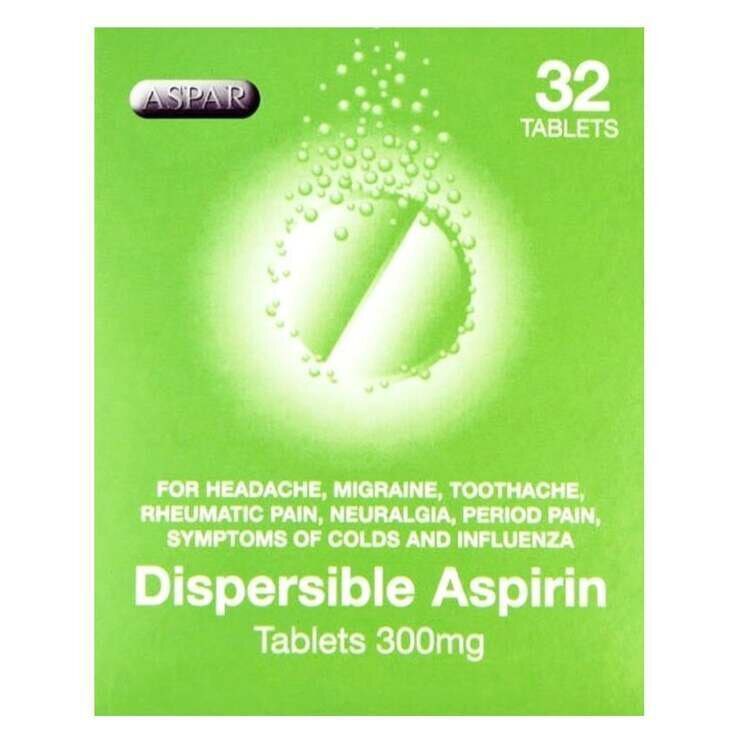
Aspirin can reduce pain and inflammation, but it isn’t suitable as a painkiller for everyone. It should never be placed directly on the tooth or gums, as this can cause chemical burns. It’s best used only when recommended by a healthcare professional.
Why Toothache Should Never Be Treated With Painkillers Alone
Toothache is not a condition in itself. It is a symptom of an underlying dental problem such as tooth decay, infection, gum disease, trauma or nerve inflammation. Painkillers are effective at reducing discomfort; however, they do not remove infection, repair damaged tooth structure or resolve inflammation at its source.
Painkillers should be viewed strictly as short-term support while arranging toothache treatment with a dentist. The longer toothache is masked, the more advanced the underlying issue often becomes, increasing the likelihood of complex procedures such as root canal treatment or extraction.
Paracetamol – A Painkiller For Toothache And Dental Pain

When Dentists Recommend Paracetamol
Paracetamol is commonly used painkiller – often advised for:
- Mild dental pain
- Patients unable to take anti-inflammatory medication
- Post-treatment discomfort
It does not treat inflammation or infection but helps control pain signals.
Limitations In Dental Conditions
Paracetamol alone is often insufficient for:
- Infected teeth
- Swelling
- Severe nerve pain
💡 Dental toothache treatment remains essential.
Ibuprofen – Its Role As A Painkiller In Toothache & Tooth Pain Control
Why Ibuprofen Is Frequently Recommended By Dentists
Ibuprofen is an effective painkiller – it reduces inflammation, making it effective for:
- Swollen gums
- Infected teeth
- Pain after dental procedures
When Ibuprofen Is Not Enough
Even though ibuprofen reduces inflammation, it cannot:
- Eliminate bacteria
- Repair structural damage
- Prevent disease progression
💡 Dental care is still required to resolve the cause.
Common Dental Causes Of Toothache And How Treatment Resolves Them
Tooth Decay And Cavities
When decay reaches deeper layers of the tooth, it irritates the nerve, causing pain. Dental treatment may involve:
- Removal of decay.
- Placement of a filling.
- Root canal treatment if the nerve is infected
💡 Painkillers reduce symptoms temporarily, but only dental intervention with a toothache treatment dentist stops the decay process.
Dental Infection And Abscesses
Infections inside or around the tooth create pressure and inflammation, often leading to severe throbbing pain. Proper treatment includes:
- Drainage of infection.
- Root canal treatment or extraction.
- Antibiotics where clinically appropriate
💡 Painkillers alone do not control infection and can allow it to spread.
Gum Disease And Periodontal Pain
Advanced gum disease exposes tooth roots and damages supporting tissues, leading to persistent discomfort. Effective treatment focuses on:
- Professional deep cleaning.
- Periodontal therapy
- Long-term maintenance
💡 Painkillers cannot reverse gum damage or eliminate bacterial buildup.
Cracked Or Fractured Teeth
Cracks allow bacteria and temperature changes to irritate the nerve. Dental solutions may involve:
- Bonding or crowns
- Root canal treatment
- Tooth stabilisation.
💡 Painkillers do not prevent further cracking or nerve damage.
How Painkillers Fit Into Toothache Management
Painkillers can help control discomfort before or after dental treatment, but they are not a substitute for care. Their role includes:
- Reducing inflammation before emergency appointments.
- Managing post-treatment soreness.
- Improving comfort while awaiting definitive treatment
💡 They should never delay seeking professional help with a toothache dentist in London.
Combining Painkillers And Why Dentists Sometimes Advise It
Paracetamol and ibuprofen may be combined safely to improve pain control when advised.
This approach:
- Enhances symptom relief.
- Does not increase infection control
- Should only be used short-term
💡 Combination therapy supports comfort, not cure.
Why Painkillers Fail To Cure Toothaches Or Treat Dental Infections
Dental infections exist within enclosed spaces such as the tooth pulp or jawbone. Painkillers cannot reach bacteria trapped inside these structures. Without treatment:
- Pressure builds
- Pain intensifies
- Infection spreads.
💡 Only dental procedures physically remove infection.
How Delaying Dental Treatment Worsens Toothache
Masking pain can allow:
- Small cavities to reach the nerve
- Mild infections to become abscesses
- Treatable teeth to become non-restorable
💡 Early dental intervention often means simpler, less invasive treatment.
Painkillers After Dental Treatment: What Is Normal
Expected Post-Treatment Discomfort
After procedures such as:
- Root canal treatment
- Extractions
- Deep gum cleaning.
Temporary soreness is normal and manageable with painkillers.
When Pain Indicates A Problem
Pain that:
- Worsens after several days.
- Is accompanied by swelling or fever
- Does not respond to medication
💡 Requires immediate dental review.
Toothache In Children And Why Treatment Cannot Be Delayed
Children’s toothache or tooth pain often progresses faster due to thinner enamel and developing teeth. Delaying treatment can affect:
- Adult tooth development
- Jaw growth
- Long-term oral health
💡 Painkillers should never replace dental assessment in children.
Toothache During Pregnancy And Dental Care

Dental treatment during pregnancy is safe and recommended when pain occurs. Managing toothache involves:
- Appropriate pain relief
- Pregnancy-safe dental procedures
- Preventing infection risks
💡 Avoiding treatment often increases complications.
When Toothache Requires Emergency Dental Treatment – And Painkillers Aren’t Enough
Seek urgent care if toothache includes:
- Facial swelling
- Difficulty opening the mouth
- Fever
- Severe, unrelenting pain
💡 Painkillers alone are unsafe in these situations.
Long-Term Solutions Vs Temporary Pain Relief
Dental treatment aims to:
- Eliminate infection
- Restore tooth structure
- Prevent recurrence
💡 Painkillers only mask symptoms and delay resolution.
How Whites Dental Treats Toothache Effectively
At Whites Dental, toothache management and tooth pain relief in London focuses on accurate diagnosis and definitive treatment rather than temporary relief.
Our care includes:
- Same-day emergency appointments
- Advanced imaging for precise diagnosis
- Targeted treatment to remove pain at its source
- Preventative planning to avoid recurrence
💡 We prioritise long-term oral health and patient comfort.
FAQs About Painkillers And Toothache Treatment
Can Painkillers Cure Toothache?
No. Painkillers reduce symptoms but do not treat dental disease.
Why Does Toothache Return After Painkillers Wear Off?
The underlying problem remains untreated and continues to progress.
Is Dental Treatment Always Necessary For Toothache?
Yes. Toothache always indicates an issue requiring professional care.
Can Ignoring Toothache Lead To Tooth Loss?
Yes. Delayed treatment significantly increases the risk of extraction.
Are Antibiotics Better Than Painkillers For Toothache?
Antibiotics may be needed for infection but do not replace dental procedures.