

Is A Root Canal Painful? Short Answer
Root canal treatment is virtually pain-free. It is often misunderstood as painful, but modern techniques and anaesthesia make the procedure no more uncomfortable than a routine filling. Most patients feel relief from the pain caused by infection rather than pain during the root canal treatment itself. Any mild soreness afterward is usually temporary and manageable with basic care.

Does A Root Canal Hurt During Treatment? Step By Step
Step 1: Examination And X-Rays
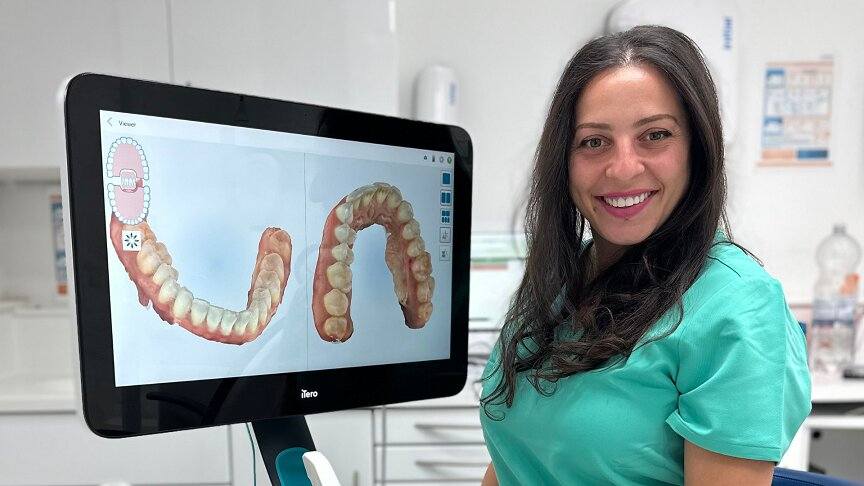
The dentist first examines the tooth and takes X-rays to assess the extent of infection and damage inside the root canals. This helps determine how complex the treatment will be.
Pain or discomfort level: Very low — this stage is non-invasive and usually completely painless.
Step 2: Local Anaesthetic Is Given
A local anaesthetic is injected into the surrounding gum to fully numb the tooth and nearby tissues before treatment begins. This ensures you stay comfortable throughout the procedure.
Pain or discomfort level: Mild — a brief sharp pinch from the injection, followed by numbness.
Step 3: Tooth Isolation And Access Opening
A small protective sheet (rubber dam) is placed to keep the tooth dry, then a small opening is made in the crown of the tooth to reach the infected pulp.
Pain or discomfort level: Nil to very low. The region is numbed by the dentist. However, you may feel pressure or some vibrations during treatment.
Step 4: Cleaning Out The Infected Pulp
The dentist carefully removes infected or damaged pulp tissue from inside the root canals using specialised instruments. The canals are then shaped and disinfected.
Pain or discomfort level: Low — no pain due to anaesthetic, but pressure sensations are common.
Step 5: Disinfection And Temporary Filling
The inside of the tooth is thoroughly cleaned with antibacterial solutions, and a temporary filling may be placed if the treatment is completed over multiple visits.
Pain or discomfort level: Low — occasional mild pressure, but generally comfortable.
Step 6: Filling The Root Canals
Once the infection is fully cleared, the canals are sealed with a rubber-like material called gutta-percha to prevent reinfection.
Pain or discomfort level: Very low — mostly pressure, no pain expected.
Step 7: Final Restoration (Crown Or Filling)
A permanent filling or crown is placed to restore strength, function, and appearance to the tooth. This step protects it from future damage.
Pain or discomfort level: Very low — some mild sensitivity afterwards is possible, but no pain during the procedure.
Step 8: Recovery Phase
After treatment, mild tenderness around the tooth and gums is normal for a few days as the area heals. Over-the-counter pain relief is usually sufficient.
Pain or discomfort level: Mild — temporary soreness that gradually improves.
Does A Root Canal Hurt After Treatment?

Most patients experience only mild discomfort after a root canal rather than significant pain. The treated tooth may feel tender when biting because the tissues around the root need time to heal. This temporary soreness is normal and usually settles within a few days. Most people are able to return to work and their usual routine the following day.
- Mild tenderness for 2–7 days is common.
- Over-the-counter pain relief is usually sufficient.
- Avoid chewing on the treated tooth until it has been permanently restored.
- Contact your dentist if pain becomes severe, swelling develops, or symptoms worsen instead of improving.
- Most patients find the discomfort far less painful than the toothache caused by the original infection.
Why Do Some People Feel Pain During A Root Canal?
Most root canal treatments are comfortable because the tooth is completely numbed before the procedure begins. However, a small number of patients may experience some discomfort if the tooth is severely inflamed, infected, or difficult to fully anaesthetise. If you feel any pain during treatment, your dentist can usually stop and administer additional local anaesthetic to keep you comfortable.
- Severe infection can make it harder for the anaesthetic to work initially.
- Very inflamed nerves may be more sensitive.
- Teeth with complex anatomy can take longer to treat.
- Anxiety can increase your perception of discomfort.
- Additional anaesthetic usually resolves any pain during the procedure.
What Does Root Canal Pain Feel Like?
It’s important to distinguish between pain before, during and after treatment:
Before The Root Canal
Pain is caused by the infection inside the tooth — often severe, throbbing and persistent.
During The Procedure
Modern anaesthetic ensures you feel no pain, only slight pressure or vibration.
After Treatment
Mild tenderness is common for a few days and easily managed with pain relief. Compared to the infection pain beforehand, most patients feel immediate relief.
Tips To Make Your Root Canal Experience Pain-Free
At Whites Dental, patient comfort is our top priority. Here’s how we make sure your experience is smooth:
- Effective anaesthesia: We never begin until the tooth is fully numb.
- Calm environment: Gentle care in a relaxed, supportive setting.
- Modern technology: Rotary tools and digital imaging ensure precision.
- Experienced dentists: Skilled professionals with a gentle touch.
- Flexible appointments: Fast access to relieve pain quickly.
💡 If you’re nervous about dental treatments, we can also discuss sedation options for extra reassurance.
The Real Source Of Pain: Tooth Infection, Not Treatment
It’s crucial to understand that pain comes from the infection, not the root canal procedure itself. Without treatment, infection can spread to nearby teeth and jawbone, causing:
- Severe toothache and swelling
- Abscess formation
- Bone damage around the tooth root
- Potential tooth loss
Root canal treatment stops this infection, relieving pain and saving your natural tooth.
Why Root Canals Have A Bad Reputation For Pain
Root canal procedures have been undertaken for well over a 100 years. Decades ago, before modern anaesthetics and technology, the treatment could be uncomfortable. Unfortunately, that outdated image still lingers today. The reality is that modern dentistry has advanced significantly:
- Local anaesthetics ensure you don’t feel pain during treatment.
- Digital imaging and rotary instruments make procedures faster and more precise.
- Skilled dentists can save your tooth with minimal discomfort.
So, if you’ve been putting off root canal treatment because of fear, it’s time to discover the facts.
Pain Free Root Canal Treatment At Whites Dental In London
At Whites Dental, our root canal specialist is proud to offer high-quality private root canal care in two convenient Central London locations:
Whites Dental Waterloo
📍 172 Blackfriars Rd, London SE1 8ER
📞 020 8616 0590
Whites Dental Marble Arch (W2)
📍 52B Kendal St, St George’s Fields, London W2 2BP
📞 020 3576 2325
Our practices are close to South Bank, Westminster, London Bridge, Marylebone, Paddington and Mayfair — perfect for residents and professionals seeking expert care without the long wait.
Why Patients Choose Us:
- Latest dental technology
- Gentle, experienced clinicians.
- Fast emergency access
- Easy transport links in Central London
FAQs – Pain Associated With Root Canal
Does A Root Canal Procedure Hurt During Treatment?
Most patients do not feel pain during a root canal because the tooth is fully numbed with local anaesthetic. You may feel pressure, but not sharp pain.
Why Do People Think Root Canals Are Painful?
The reputation comes from the toothache caused by infection before treatment, not the procedure itself, which is designed to remove that pain.
Can You Feel Pain If The Tooth Is Very Infected?
A severely infected tooth can be harder to numb at first, but dentists can adjust anaesthesia so the procedure remains comfortable.
Is Pain After A Root Canal Normal?
Mild soreness or sensitivity for a few days is normal as the surrounding tissue heals, but it should gradually improve.
What Hurts More: A Root Canal Or An Untreated Toothache?
In most cases, the untreated infection causes far more pain than the procedure, which is intended to stop the discomfort long-term.
Author

Dr Deepa Chopra
Principal Dentist & Clinic Founder
GDC registration number: 124489
Membership of the Faculty of Dental Surgery from the Royal College of Surgeons of Edinburgh
Membership of the British Dental Association
Restorative Dentistry from Tipton
Align Invisalign profile
LinkedIn profile
Areas of Expertise: 20+ Years Dentistry Experience. General Dentistry, Cosmetic Dentistry, Restorative Dentistry, Invisalign, Composite Bonding, Veneers, Root Canals, Crowns, Dentures, Gum Disease, Hygienist Services, Emergency Dental Services & Teeth Whitening.