

Key Takeaway
- Mild discomfort after root canal treatment is normal and typically resolves within 7–10 days.
- Pain can result from inflammation, bite pressure, or tissue irritation rather than treatment failure.
- Severe or increasing pain, swelling, or fever may indicate infection or complications.
- Proper at-home care, including pain management, oral hygiene and avoiding hard foods, can accelerate recovery.
- Timely placement of permanent restorations reduces discomfort and protects the tooth.
- Whites Dental provides advanced root canal treatment and post-care guidance to ensure long-term success.
- Regular dental check-ups and monitoring help prevent complications.
Root canal treatment is one of the most common dental procedures designed to save teeth from infection or decay. Although the procedure removes the infected nerve, patients frequently report discomfort after treatment. Understanding the causes of post-treatment pain, how long it lasts, and effective solutions is essential for proper healing and peace of mind.
This article explores why root canals hurt after treatment, the expected recovery timeline, practical root canal pain management techniques, and when to seek professional care. It also provides insight into how Whites Dental in London supports patients through this process.
Is Pain Normal After Root Canal Treatment?
Yes, experiencing some discomfort after a root canal is considered normal. Even though the nerve inside the tooth is removed, the surrounding tissues—including the periodontal ligament, alveolar bone and supporting gums—remain living structures that can become inflamed and sensitive during healing.
Why Root Canal Treatment Can Cause Pain
Pain after a root canal usually results from tissue irritation rather than procedural failure. The root canal procedure involves:
- Cleaning and shaping the canals deep inside the tooth.
- Removing infected tissue.
- Applying medications and filling materials to seal the canals.
During this process, surrounding tissues can experience inflammation, leading to tenderness or a dull ache. Common causes of pain include:
- Inflammation near the root tip: Irritated tissues may swell slightly.
- Periodontal ligament healing: The ligament that holds the tooth in the socket may be temporarily inflamed.
- Pressure during instrumentation: Cleaning the canals can create temporary tissue stress.
💡 This discomfort typically diminishes over several days as the tissues recover.
How Long Does The Pain After A Root Canal Last?

Typical Healing Timeline
Pain duration varies among patients, but most experience the following pattern:
- First 24–48 hours: Mild tenderness or dull aching, especially when chewing or touching the tooth.
- Days 3–5: Gradual improvement in sensitivity and soreness.
- By day 7–10: Minimal or no pain, though mild tenderness may persist if the bite is uneven or the restoration is incomplete.
Factors influencing pain duration include the complexity of the root canal system, severity of infection before treatment, and individual healing response.
When Pain Is Not Normal
Pain that persists or worsens may indicate an underlying issue. Patients should consult their root canal specialist if they experience:
- Pain lasting more than 10 days
- Increasing intensity rather than gradual improvement.
- Swelling of the gums or face.
- Fever or pus discharge.
- Severe discomfort when biting.
💡Early assessment prevents complications such as reinfection or structural issues.
Common Causes Of Pain After Root Canal Treatment
Understanding the source of discomfort allows patients to manage symptoms effectively and know when to seek help.
Inflammation
Inflammation is the most frequent cause of post-root canal discomfort. During the procedure, tissues surrounding the tooth become irritated and respond by swelling and activating pain receptors.
Symptoms may include:
- Tenderness to pressure.
- Mild throbbing.
- Sensitivity when chewing.
This type of pain typically resolves within a few days with proper care.
Bite Issues
Sometimes the treated tooth may sit slightly higher than adjacent teeth. This can result in increased pressure during chewing, leading to localized pain.
Signs of bite-related pain:
- Sharp pain when chewing on the treated tooth.
- Discomfort that eases when the tooth is not in use.
- No accompanying swelling or fever.
A bite adjustment by your root canal dentist often provides immediate relief.
Infection
While rare, residual infection can cause pain after a root canal. Factors include:
- Complex root canal anatomy.
- Delayed placement of the permanent restoration.
- Microbial leakage through temporary fillings.
Infection-related pain is usually persistent and may be accompanied by swelling, redness, or a bad taste in the mouth. Antibiotics or retreatment may be required.
Temporary Filling Or Crown Discomfort
Temporary restorations protect the tooth before the final crown is placed. These can occasionally cause sensitivity because they do not fit perfectly or allow minor movement. Discomfort from temporary fillings usually resolves once the permanent crown is installed.
Less Common Causes Of Persistent Root Canal Pain
Cracked Tooth
Undetected cracks in the tooth can cause ongoing pain even after successful root canal therapy.
- Pain may occur when biting or chewing.
- Pain can be intermittent.
- Additional imaging or restorative treatment may be necessary.
Overextended Filling Material
Occasionally, root canal filling material may extend slightly beyond the root tip, irritating the surrounding tissue. Symptoms may include persistent tenderness and sensitivity. Monitoring and minor interventions can resolve this issue.
How To Manage Pain After Root Canal Treatment
At-Home Pain Relief
Most post-treatment discomfort can be managed safely at home:
- Over-the-counter analgesics such as ibuprofen (if medically appropriate).
- Cold compresses to reduce swelling.
- Avoid chewing on the treated tooth.
- Gentle oral hygiene to keep the area clean.
Following these steps helps reduce inflammation and support healing.
Professional Intervention
If discomfort persists beyond the typical timeframe, your dentist may recommend:
- Bite adjustment to relieve pressure.
- Anti-inflammatory medication
- Antibiotics if infection is suspected.
- Re-evaluation with imaging to check canal filling and healing.
Aftercare Tips To Reduce Discomfort

Proper aftercare enhances recovery and long-term tooth health:
- Avoid sticky and hard foods for a couple of days after treatment
- Maintain good oral hygiene using a soft-bristled toothbrush.
- Attend all follow-up appointments
- Place a crown on the tooth after to protect the tooth.
💡These habits prevent reinfection after a root canal in London and minimize discomfort.
Root Canal Pain Vs Normal Healing Pain
Signs of Normal Healing
- Gradual reduction of pain day by day.
- Mild tenderness when chewing or touching the tooth
- Discomfort responds to over-the-counter pain medication.
Warning Signs
- Increasing pain intensity over time.
- Swelling or redness of the gums or face.
- Fever or systemic symptoms.
- Persistent sharp pain on biting.
💡 Prompt evaluation ensures proper management of any complications.
How Whites Dental Helps After Root Canal Treatment
Whites Dental offers extensive expertise for root canal treatment in London and also for post-treatment care:
- Detailed diagnosis to plan treatment effectively.
- Advanced root canal techniques for precise cleaning and filling.
- Bite evaluation to prevent pressure-related pain
- Careful monitoring during healing.
- Guidance on permanent restorations to ensure long-term success.
💡 Our dental practices in Central London offer advice and support to patients during treatment and also during recovery, helping patients manage discomfort should it arise.
FAQs
Is mild pain normal after root canal treatment?
Yes, mild discomfort is expected and usually resolves within 7–10 days.
How long should pain last?
Most patients experience gradual improvement over 1–2 weeks.
Can a root canal fail and cause pain?
Yes, although uncommon. Persistent infection in the tooth or an incomplete filling can cause ongoing pain after treatment.
When should I contact my dentist?
If the pain worsens after treatment or the pains lasts for 10 days or more or is accompanied by a fever, or pus or a swelling, fever – visit the dentist for assessment.
Does placing a permanent crown reduce pain?
Yes. Proper restoration distributes bite forces evenly, reducing post-treatment discomfort.
Can I take painkillers after a root canal?
Pain killers from the local pharmacy – e.g. ibuprofen or acetaminophen – can help reduce the intensity of pain. Always follow instructions as written on the medication.
Is sensitivity to hot or cold considered normal?
Mild sensitivity may occur during healing, but severe or worsening sensitivity should be evaluated.
Author

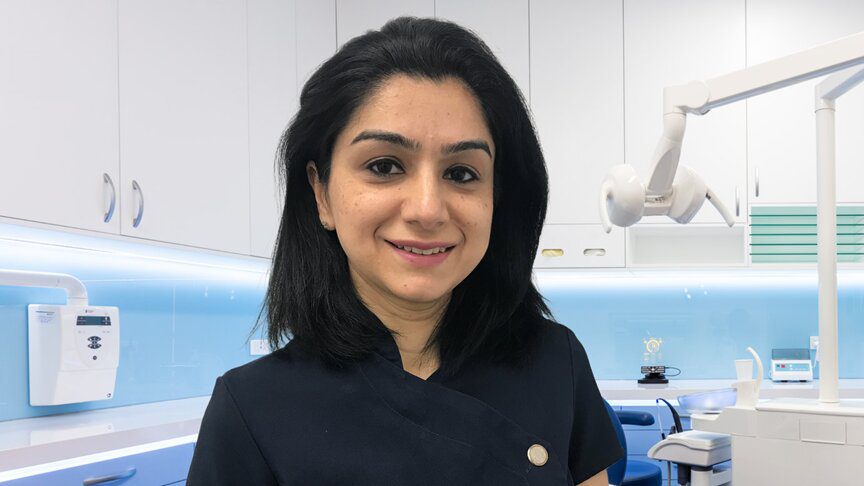
Dr Deepa Chopra
Principal Dentist & Clinic Founder
GDC registration number: 124489
Membership of the Faculty of Dental Surgery from the Royal College of Surgeons of Edinburgh
Membership of the British Dental Association
Restorative Dentistry from Tipton
Align Invisalign profile
LinkedIn profile
Areas of Expertise: 20+ Years Dentistry Experience. General Dentistry, Cosmetic Dentistry, Restorative Dentistry, Invisalign, Composite Bonding, Veneers, Root Canals, Crowns, Dentures, Gum Disease, Hygienist Services, Emergency Dental Services & Teeth Whitening.