


Key Takeaway
- Dentists check for gum disease using a detailed gum assessment that includes measuring pocket depths, checking for bleeding, assessing gum recession, and examining mobility.
- X-rays are used to evaluate bone levels and determine whether any bone loss has occurred.
- A periodontist performs an even more detailed analysis for moderate–severe gum disease cases.
- Symptoms like bleeding gums, bad breath, and gum tenderness are warning signs but cannot replace a professional exam.
At Whites Dental in Waterloo and Marble Arch (W2), patients receive full periodontal assessments in London using advanced techniques to diagnose and treat gum disease early.
Why Gum Disease Assessments Matter
Gum disease is extremely common, yet many patients don’t realise they have it because it often progresses quietly. Catching it early is the key to preventing long-lasting damage. This is why your dentist performs a thorough gum health check during routine appointments and why people with symptoms or risk factors require more detailed evaluations.
A professional gum disease assessment does far more than simply look for bleeding gums — it examines the health of your gums, the attachment levels, the bone beneath your teeth, and the overall health of your mouth. If gum disease is detected early, it is much easier to manage or reverse.
Visual Examination Of The Gums

Checking for redness and inflammation
Your dentist will begin by visually inspecting the gums. Healthy gums should be pink and firm. Red or swollen gums often indicate inflammation — the early sign of gingivitis.
Assessing bleeding
Bleeding gums are one of the most common symptoms of gum disease. Your dentist will gently manipulate the gums to see whether bleeding occurs. Even small bleeding points during routine checks can suggest inflammation.
Observing gum recession
Gum recession — where the gum pulls away from the tooth — can indicate more advanced gum disease. This can lead to tooth sensitivity and exposed roots. Your dentist will look for uneven gumlines, notching or visible root surfaces.
Measuring Periodontal Pocket Depths
This is one of the most important diagnostic steps in identifying gum disease.
What periodontal pockets are
A periodontal pocket is the space between the tooth and gum. Healthy pocket depths are typically 1–3 mm. When harmful bacteria accumulate, the gums detach, creating deeper pockets that trap more bacteria — worsening gum disease.
How pocket depths are measured
A small measuring tool called a periodontal probe is used. The dentist gently slides this probe into the gum pocket at different points around each tooth.
Typical findings:
- 1–3 mm: healthy
- 4 mm: early gum disease
- 5–6 mm: moderate gum disease
- 7+ mm: advanced gum disease
Why pocket depth matters
Pocket depth determines:
- The severity of gum disease
- Whether you need deep cleaning (scaling and root planing)
- Whether you require a referral to a periodontist
- Your long-term risk of gum and bone loss
💡 This measurement is essential for accurate diagnosis and gum disease treatment planning.
Checking For Gum Attachment Loss
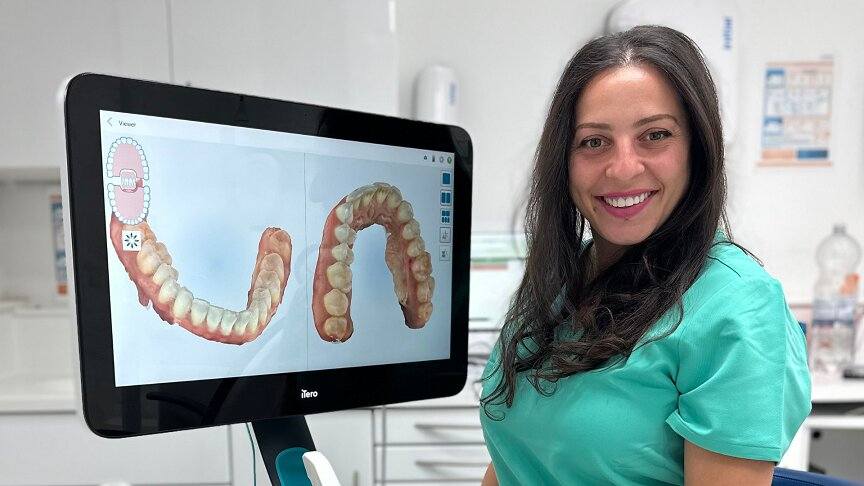
Attachment loss happens when the tissues that hold the tooth firmly in place begin to break down.
What attachment loss means
When bacteria damage the ligaments and tissues supporting the teeth, the “attachment” holding your tooth weakens. This can eventually lead to tooth mobility and even tooth loss.
How dentists measure attachment levels
Dentists combine pocket depth readings with gum recession measurements to calculate attachment loss. This helps determine how far the disease has progressed.
Assessing Tooth Mobility
Movement in the teeth is another indicator of periodontal damage.
Why teeth may become loose
As gum disease progresses, the bone that supports the teeth begins to shrink. Without this support, the teeth can wobble or shift, especially when chewing.
How mobility is checked
Your dentist will gently rock each tooth between two instruments to see how much it moves. Movement is graded from 0 (no mobility) to 3 (severe mobility).
💡 This assessment is vital for identifying teeth at risk.
Screening For Gum Disease Symptoms
While an exam provides the most accurate information, your dentist will also ask about symptoms such as:
- Bleeding gums when brushing or flossing
- Gum tenderness or sensitivity
- Bad breath (halitosis)
- A bad taste in the mouth
- Teeth feeling loose or shifting
- Receding gums
💡 These symptoms help guide the clinical examination and highlight problem areas.
Using X-Rays To Detect Bone Loss
X-rays are essential to diagnosing gum disease because they reveal what the eye cannot see.
Why X-rays matter
Even advanced gum disease may not be obvious visually, but bone loss always shows on X-rays. These images provide essential information about how much bone has been lost and whether the disease is stable or progressing.
Types of X-rays used
Dentists typically use:
- Bitewing X-rays (to evaluate bone height between teeth)
- Periapical X-rays (to see the entire tooth and supporting bone)
- A full-mouth series for complex cases
What dentists look for
X-rays show:
- Bone loss patterns
- Severity of bone loss
- Signs of infection or abscesses
- Root structure and tooth positioning
This information determines whether specialist periodontal treatment is required.
Checking The Bite (Occlusion)
How your teeth meet can affect gum health.
Why checking the bite is important
If certain teeth take too much pressure during biting or chewing, they can become more vulnerable to mobility or bone loss — especially when gum disease is already present.
How the bite is checked
Your dentist may use:
- Articulating paper
- Bite tests
- Manual observation
This helps identify whether excessive bite forces are contributing to gum deterioration.
Evaluating Risk Factors
Some patients are more susceptible to gum disease than others. Your dentist will assess risk factors such as:
Lifestyle and habits
- Smoking (one of the biggest risks)
- Poor diet
- Stress
Health conditions
- Diabetes
- Hormonal changes (pregnancy, menopause)
- Immune system conditions
Genetics
Some people are genetically prone to gum inflammation, even with good hygiene.
A proper risk evaluation ensures the most effective gum treatment plan.
What Happens After The Examination?
Personalised treatment plan
Once your gum disease specialist has completed the full gum assessment, you’ll receive a tailored plan that may include:
- Professional cleaning
- Deep cleaning (scaling & root planing)
- Antibiotic treatment
- Lifestyle recommendations
- More frequent hygiene visits
- Referral to a periodontist for severe cases
Monitoring gum health
Because gum disease is ongoing, regular monitoring is essential. This includes:
- Review of pocket depths
- Reassessment of bleeding and inflammation
- Updates to your oral care routine
When You Need A Periodontist
A periodontist at Whites Dental is a gum specialist who treats moderate to severe gum disease.
When dentists refer you to a periodontist
You may be referred if:
- Pocket depths are 5 mm or more
- Bone loss is significant
- Teeth are becoming loose
- There is rapid progression
- You require surgical intervention
What a periodontist does
They perform advanced procedures such as:
- Deep cleaning under local anaesthetic
- Gum regeneration treatments
- Pocket reduction surgery
- Bone grafting
- Specialist maintenance
💡 At Whites Dental, you can access specialist periodontal care without long wait times.
Gum Disease Assessment At Whites Dental
If you’re worried about gum disease, our team at Whites Dental provides comprehensive periodontal assessments and treatment options, right in Central London.
Whites Dental Waterloo
📍 172 Blackfriars Rd, London SE1 8ER
📞 020 8616 0590
Whites Dental Marble Arch (W2)
📍 52B Kendal St, St George’s Fields, London W2 2BP
📞 020 3576 2325
💡 Our dentists and periodontists use advanced diagnostic tools to catch gum disease early and provide effective treatment tailored to your needs.
Final Thoughts
A dentist checks for gum disease using a combination of visual assessments, probing measurements, X-rays, and risk evaluations. These steps reveal the health of your gums, the strength of the supporting bone and whether gum disease is present or progressing.
Early detection makes treatment easier, more predictable, and more successful — which is why regular dental visits are essential. If you are experiencing symptoms like bleeding gums, bad breath or receding gums, a periodontal assessment at Whites Dental can give you clarity, peace of mind and a clear path to healthier gums.