


When people want a more even, brighter-looking smile without the commitment of “drilling teeth down”, two options usually come up early in research:
- Composite bonding
- No-prep veneers (sometimes called “minimal prep veneers”)
Both are often positioned as conservative cosmetic dental treatments, but they work in very different ways.
Composite bonding is applied directly to the tooth and sculpted by hand. No-prep veneers are thin ceramic shells bonded to the front surface of teeth, designed to improve shape and colour with little to no enamel reduction in suitable cases.
If you’re exploring options, it’s completely normal to ask:
“Is bonding better than no-prep veneers – and what are the real pros and cons?”
This guide breaks down the differences clearly, including when no-prep veneers make clinical sense, where bonding is the safer option, and what to watch out for with “no-prep” marketing claims.
🔑 Key Takeaways:
- Composite bonding is usually the most conservative option and can often be repaired or adjusted easily.
- No-prep veneers are thin ceramic shells that can offer superior stain resistance and long-term gloss in the right case.
- “No-prep” doesn’t always mean zero preparation – suitability depends on tooth position, bite and enamel thickness.
- No-prep veneers can look bulky if placed on teeth that already sit forward or are naturally large.
- The best choice depends on your goals: minor refinement vs long-term ceramic aesthetics.
💡 Quick Answer: Composite bonding is usually best for conservative cosmetic reshaping and small fixes. No-prep veneers can be a good option when you want ceramic aesthetics with minimal tooth reduction – but they’re only suitable when tooth position and bite allow them to sit naturally without looking bulky.
🧭 Jump to:
What Is Composite Bonding?
Composite bonding treatment uses a tooth-coloured resin that is applied directly to the tooth surface, shaped by hand, then polished to blend with natural enamel.
Bonding is commonly used to:
- repair small chips
- smooth worn edges
- close small gaps
- improve symmetry between teeth
- refine shape without removing much enamel
Why composite bonding is considered “conservative”
In most cases, composite bonding requires minimal preparation. That means it can preserve your natural tooth structure – which is often the priority in cosmetic dentistry when teeth are otherwise healthy.
Dental bonding is also easier to modify than ceramic restorations. If you don’t like a detail, or you chip a corner years later, it can often be repaired rather than replaced.
Is Composite Bonding A No-Prep Treatment?
In many cases, composite bonding can be described as a no-prep or minimal-prep treatment because little to no enamel needs to be removed.
That said, “no-prep” should still be judged case by case. Some teeth may need light surface preparation, smoothing or edge refinement so the composite bonds predictably and the final shape looks natural.
This is why composite bonding is often considered conservative, but it should still be planned carefully rather than treated as a one-size-fits-all cosmetic fix.
What Are No-Prep Veneers?
No-prep veneers are thin ceramic shells bonded to the front surface of teeth. Unlike traditional porcelain veneers, they are designed to work with little to no enamel reduction in cases where tooth position and bite allow it.
They’re most commonly considered when someone wants:
- A uniform ceramic finish across several front teeth
- High stain resistance and long-term gloss
- Minimal drilling compared to standard veneers
Are no-prep veneers good?
No-prep veneers can be good in carefully selected cases. They tend to work best when teeth are slightly small, set back, or have enough space for ceramic to be added without making the smile look bulky.
They are less suitable when teeth already sit forward, feel large, or the bite is tight.
“No-prep” is a suitability category – not a guarantee
The term “no-prep” is often used in marketing, but clinically it depends on whether a veneer can be placed without adding thickness that looks unnatural.
In some cases, dentists still do small adjustments (minor contouring or smoothing) so the veneer sits cleanly and the final result looks natural – even if the tooth is not fully “prepped” in the traditional veneer sense.
Composite Bonding Vs No-Prep Veneers: Pros & Cons
Both treatments can deliver beautiful cosmetic results, but the pros and cons are different because the materials, fabrication process and long-term maintenance are not the same.
Pros of composite bonding
- Very conservative – minimal enamel removal in most cases
- Repairable – chips can often be fixed without replacing the whole restoration
- Adjustable – shape refinements are easier after treatment
- Lower upfront cost per tooth compared with ceramic veneers
Cons of composite bonding
- More prone to staining than ceramic over time (especially with tea, coffee, red wine)
- May need polishing periodically to maintain gloss
- Shorter average lifespan than ceramic in many cases
- Less colour-stable than ceramic if you want a very bright, uniform finish long term
Pros of no-prep veneers
- Excellent colour stability and stain resistance
- Long-lasting surface gloss and ceramic aesthetics
- Minimal tooth reduction in suitable cases
- Strong aesthetic consistency across multiple teeth
Cons of no-prep veneers
- Not suitable for everyone – tooth position and bite must be right
- Risk of bulkiness if placed on already-forward teeth
- Harder to repair than composite bonding (often requires replacement if chipped)
- Higher upfront cost due to lab fabrication and ceramic materials
- Less adjustable once fitted compared with hand-shaped composite bonding
Aesthetics & Colour: Which Looks More Natural? Composite Bonding Or Veneers
In skilled hands, both composite bonding and no-prep veneers can look natural. The key difference is how the surface behaves over time.
Composite bonding aesthetics
Bonding is hand-layered and sculpted chairside. That means dentists can shape subtle details – like incisal edge character or small asymmetries – very precisely.
However, composite can lose a little surface gloss over time and may require polishing maintenance. It’s also more likely to pick up surface staining in people who consume staining foods and drinks regularly.
No-prep veneer aesthetics
Ceramic veneers tend to maintain their gloss and colour stability longer than composite materials. For patients focused on long-term brightness and stain resistance, ceramic has an advantage.
That said, a veneer still needs to look proportional. If a no-prep veneer is placed where space does not exist, the tooth can look slightly thicker – which affects “naturalness” more than shade does.
Longevity & Repairs: What Lasts Longer?
Longevity is affected by:
- How much composite bonding or ceramic is placed
- Bite pressure and grinding
- How many teeth are treated
- Ongoing maintenance (polishing, hygiene, check-ups)
How long does composite bonding last?
Bonding often lasts 4–7 years before some maintenance is needed, though many cases last longer with good care and suitable bite conditions. If you want the full breakdown, see: How long does composite bonding last?
The upside is that composite bonding is typically more repair-friendly than ceramic. Small chips can often be patched, re-shaped and re-polished.
How long do no-prep veneers last?
No-prep veneers are ceramic, so they tend to offer a longer-lasting surface and stronger stain resistance. Many ceramic veneer cases last 10–15+ years with proper care.
However, if a ceramic veneer chips or fractures, it may need full replacement rather than a simple repair.
Bulk & Suitability Risks: When No-Prep Veneers Can Be The Wrong Choice
This point is often under-explained in no-prep veneer marketing, but it matters.
No-prep veneers work best when there is space to add ceramic without pushing the tooth profile forward. They are often most suitable when:
- Teeth are slightly small or naturally narrow
- There are small gaps that the veneer can close without excess thickness
- Teeth sit slightly back rather than already protruding
When “no-prep” can create a bulky look
No-prep veneers can look bulky when:
- Teeth already sit forward (proclined incisors)
- Teeth are already large and adding thickness changes proportions
- The bite is tight and there isn’t space for added ceramic
In these situations, a conservative composite bonding approach – or orthodontics first – can deliver a more natural final result than simply adding ceramic to the front.
Side-By-Side Comparison: Composite Bonding Vs No-Prep Veneers
If you’re choosing between composite bonding and no-prep veneers, it helps to compare them across the factors that most influence long-term satisfaction: material, maintenance, repair options and suitability.
Below is a simplified overview to show the practical differences:
| Factor | Composite Bonding | No-Prep Veneers |
|---|---|---|
| Material | Resin composite | Ceramic |
| Enamel removal | Minimal / often none | Minimal in suitable cases |
| Stain resistance | Moderate (may stain over time) | High (excellent colour stability) |
| Longevity | Often 4–7 years | Often 10–15+ years |
| Repairability | Often repairable | Limited (may require replacement) |
| Adjustability | Easier to refine, polish or repair | More limited once ceramic is fitted |
| Risk of bulkiness | Lower (sculpted to your enamel) | Higher if tooth position is not suitable |
Important: These are general comparisons. The right treatment depends on your tooth size, enamel condition, bite, and how many teeth you want to change.
If you’re comparing bonding with standard veneers, this guide may also help: Composite bonding vs veneers.
Cost Differences Between Composite Bonding And No-Prep Veneers
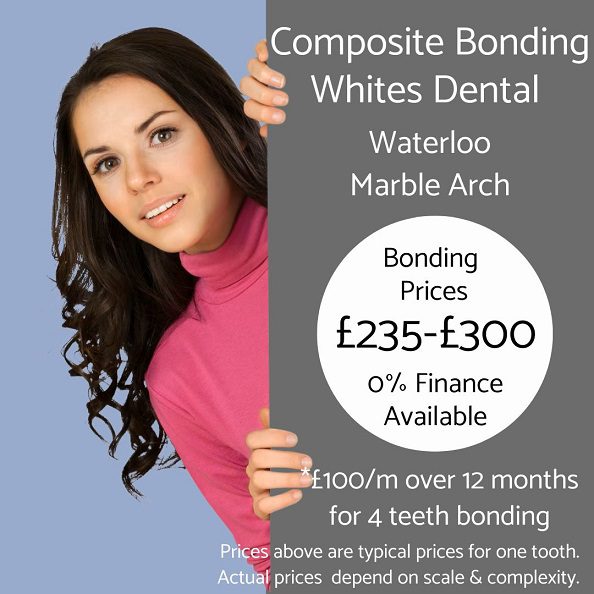
In most cases, composite bonding is less expensive per tooth than ceramic veneers – including no-prep veneer options – because composite teeth bonding is shaped directly in the chair without lab fabrication.
However, cost is not just about the initial appointment. Long-term value depends on:
- How many teeth are treated
- How often maintenance is needed (polishing, repair, replacement)
- Your diet and staining habits
- Whether you grind your teeth
Frequently Asked Questions: Composite Bonding Vs No-Prep Veneers
Below are the most common questions patients ask when choosing between composite bonding and no-prep veneers.
Are no-prep veneers better than composite bonding?
Not universally. No-prep veneers can offer superior stain resistance and long-term gloss, but only when tooth position and bite allow them to sit naturally. Bonding is often the more conservative and repairable option for small refinements.
Do no-prep veneers look bulky?
They can if placed on teeth that already protrude or where there isn’t space to add ceramic. Suitability assessment is critical – “no-prep” should not mean “no planning”.
Is composite bonding reversible?
Bonding usually requires minimal enamel removal and is often reversible or modifiable. Ceramic veneers (even no-prep) are typically a longer-term commitment, particularly once bonded for years.
Which lasts longer: composite bonding or no-prep veneers?
No-prep veneers are ceramic and often last longer (commonly 10–15+ years). Bonding often lasts 4–7 years before maintenance is needed, though this varies depending on bite and care.
Can you repair no-prep veneers if they chip?
Small chips can sometimes be managed, but ceramic restorations are generally less repairable than bonding. If a veneer fractures, replacement is often the cleanest long-term solution.
Which is more affordable?
Bonding is usually more affordable upfront. Veneers tend to cost more because they are ceramic, lab-made restorations. Long-term value depends on maintenance frequency and how long you want the result to last.
Are no-prep veneers good?
No-prep veneers can be good when there is enough space to add ceramic without making the teeth look bulky. They are most suitable for carefully selected cases, not every smile.
Is composite bonding no-prep?
Composite bonding is often no-prep or minimal-prep because it usually requires little to no enamel removal. Some cases still need light smoothing or surface preparation for a better bond and finish.
What are the main pros and cons of composite bonding?
The main pros are that composite bonding is conservative, repairable, adjustable and usually more affordable upfront. The main cons are that it can stain more easily than ceramic and may need polishing or repair over time.
Not Sure Which Is Right For Your Smile?
If you’re choosing between composite bonding and no-prep veneers, the “best” option is the one that fits your teeth – not just the one that sounds most conservative.
At Whites Dental, we assess your enamel, tooth position and bite before recommending cosmetic treatment. That way, you avoid committing to a veneer style that looks bulky, or choosing bonding when the tooth actually needs a longer-term ceramic solution.
- Explore composite bonding in London
Visit Our Central London Clinics
- Waterloo – near Southwark & Blackfriars
- Marble Arch – near Paddington & Edgware Road
Your free composite bonding consultation includes:
- Cosmetic suitability assessment (bonding vs veneer options)
- Advice based on tooth position and bite (avoiding bulk and over-treatment)
- Personalised cost breakdown
- No pressure – just clear guidance
Author

Dr Deepa Chopra
Principal Dentist & Clinic Founder
GDC registration number: 124489
Membership of the Faculty of Dental Surgery from the Royal College of Surgeons of Edinburgh
Membership of the British Dental Association
Restorative Dentistry from Tipton
Align Invisalign profile
LinkedIn profile
Areas of Expertise: 20+ Years Dentistry Experience. General Dentistry, Cosmetic Dentistry, Restorative Dentistry, Invisalign, Composite Bonding, Veneers, Root Canals, Crowns, Dentures, Gum Disease, Hygienist Services, Emergency Dental Services & Teeth Whitening.