

Key Takeaway
Yes, you can bite and chew normally with composite veneers when they are carefully planned, precisely shaped, and correctly bonded. Bite comfort depends on factors such as veneer thickness, bite alignment, tooth position and aftercare habits. High-quality composite veneers, designed by experienced cosmetic dentists, integrate seamlessly with your natural bite, allowing everyday eating without discomfort or restriction. With proper maintenance and regular reviews, composite veneers can support a stable, functional bite for many years.
Understanding How Composite Veneers Affect Your Bite
Composite veneers are designed to improve appearance without compromising function. However, your bite plays a critical role in how comfortable and durable they feel over time. When done correctly, composite veneers should not interfere with how your teeth meet. Instead, they enhance tooth shape while respecting natural bite dynamics.
Composite veneers influence biting in subtle but important ways:
- They add a thin layer to the tooth surface
- They alter tooth contours and edges
- They interact with opposing teeth during chewing
A skilled dentist evaluates these factors before treatment to ensure biting feels natural.
💡 Always choose a dentist who assesses bite mechanics, not just cosmetic appearance.
How Composite Veneers Are Designed For Normal Biting
Bite Planning Before Composite Veneers
Bite analysis is a crucial step before composite veneers are placed. Dentists assess how your teeth contact during speaking, chewing, and resting. This planning phase typically includes:
- Checking jaw alignment
- Evaluating tooth wear patterns
- Identifying pressure points.
Without this step, veneers may feel bulky or interfere with chewing.
Tooth Shape And Functional Balance
Composite veneers are sculpted to follow natural tooth anatomy. This ensures they guide food properly and distribute force evenly. Important design considerations include:
- Edge length and thickness
- Contact points between teeth
- Smooth transitions between veneer and enamel
💡 Veneers should enhance tooth shape without changing how your bite closes.
Can Composite Veneers Withstand Normal Chewing Forces?

Composite veneers are strong enough for everyday biting when properly bonded and maintained. While they are not indestructible, they are engineered to handle routine chewing. Normal chewing involves repeated but moderate pressure rather than extreme force.
Composite veneers can tolerate:
- Soft and moderately firm foods
- Regular chewing motions.
- Day-to-day eating habits
However, they are not designed for biting very hard objects.
💡 Avoid using veneered teeth as tools to open packaging or bite hard items.
Composite Veneers And Front Teeth Biting
Front teeth play a unique role in biting, especially when cutting food. Composite veneers are commonly placed on front teeth, making bite design especially important. Dentists ensure front veneers:
- Do not hit first when closing.
- Do not clash heavily with lower teeth
- Allow smooth sliding during jaw movement
If front veneers are too thick or long, biting can feel awkward.
💡 Precise edge positioning is essential for comfortable front-tooth biting.
How Composite Veneers Interact With Back Teeth
While composite veneers are often placed on front teeth, their design must still align with back teeth function. Back teeth handle the majority of chewing force, so veneers must not shift that load forward.
Proper planning ensures:
- Back teeth still absorb chewing pressure
- Veneers guide, not absorb, bite forces
- Jaw muscles remain relaxed
This balance prevents long-term discomfort.
💡A balanced bite protects composite veneers from unnecessary stress.
Composite Veneers And Bite Adjustment After Placement
Even with excellent planning, small adjustments may be needed after teeth veneers are placed. Dentists often refine veneers once you bite and speak naturally.
Common adjustments include:
- Smoothing high spots.
- Refining tooth edges
- Polishing contact areas
These fine-tuning steps ensure comfort.
💡 Minor bite adjustments are normal and improve long-term comfort.
Does Biting Feel Different At First With Composite Veneers?
It is common to notice a slight difference in bite sensation immediately after veneers treatment. This usually happens because:
- Tooth shapes have changed
- Your tongue and lips adapt
- Your brain adjusts to new contours
Most patients adapt within days.
Signs of normal adjustment include:
- Mild awareness when chewing
- Temporary speech changes
- Increased sensitivity that fades
💡 Give yourself a short adjustment period before judging bite comfort.
Can Composite Veneers Cause Bite Problems?
Composite veneers themselves do not cause bite issues when designed properly. Problems usually arise from poor planning or execution.
Potential issues include:
- Veneers placed too thick
- Incorrect edge length
- Ignoring jaw alignment
These problems are avoidable with experienced care.
💡 Bite problems are procedural issues, not inherent flaws of composite veneers.
Composite Veneers And Teeth Grinding Or Clenching
Teeth grinding places extra pressure on veneers. This does not mean you cannot bite normally, but additional precautions may be needed. Dentists may recommend:
- Bite guards for night use.
- Reinforced composite layering.
- Adjusted veneer thickness
With protection, biting remains comfortable and safe.
💡 Managing grinding habits protects both veneers and natural teeth.
Eating Normally With Composite Veneers
Most patients eat normally after composite veneers once initial sensitivity settles. Foods typically well tolerated include:
- Fruits and vegetables.
- Bread, pasta, and rice
- Cooked meats
Foods to approach carefully:
- Hard nuts
- Ice
- Sticky sweets
💡 Sensible food choices support long-term veneer comfort.
Maintaining Long-Term Bite Stability
A stable bite ensures composite veneers last longer and remain comfortable. Long-term stability depends on:
- Accurate initial planning
- Regular dental reviews
- Good oral habits.
Dentists monitor bite changes over time.
💡 Regular check-ups catch bite issues early.
How Oral Habits Affect Biting
Everyday habits influence how veneers perform. Habits that support comfort include:
- Chewing evenly on both sides
- Avoiding nail biting.
- Using teeth only for eating
Habits that increase risk:
- Biting pens
- Tearing packaging with teeth
- Chewing ice
💡 Small habit changes protect your bite and veneers.
Composite Veneers Compared To Porcelain Veneers For Biting

Composite veneers are slightly more flexible than porcelain, which can feel more forgiving during biting. Key differences include:
- Composite absorbs some pressure
- Porcelain is harder but more brittle
- Composite allows easier adjustments
Both allow normal biting when well designed.
💡 Material choice should match your bite needs and lifestyle.
Veneers And Jaw Comfort
A comfortable bite supports jaw health. Poorly designed veneers can strain jaw muscles. Well-designed veneers:
- Guide smooth jaw movement
- Reduce muscle tension
- Support balanced chewing
Jaw discomfort is not expected with quality work.
💡 Jaw comfort is a sign of proper bite integration.
Signs Your Bite Needs Adjustment
You should contact your dentist if you notice:
- Pain when chewing
- Teeth hitting unevenly
- Jaw fatigue
- Chipping or wear on veneers
These signs are usually easy to correct.
💡 Early adjustments prevent bigger problems later.
How Dentists Test Your Bite With Veneers
Dentists use multiple methods to test bite accuracy. These may include:
- Bite paper to detect pressure points
- Visual assessment during chewing
- Patient feedback
Testing ensures veneers feel natural.
💡 Bite testing is a critical step, not an optional one.
Can Composite Veneers Support An Active Lifestyle?
Yes, composite veneers are suitable for active lifestyles when precautions are taken.
For contact sports, dentists may suggest:
- Custom mouthguards
- Reinforced veneer design
Daily activity and exercise do not affect biting ability.
💡: Protect veneers during high-impact activities.
Veneers And Speech-Related Bite Changes
Speech relies on tooth position and bite alignment. Temporary changes may include:
- Slight lisping
- Tongue awareness
These typically resolve quickly as you adapt.
💡 Speech normalises as bite awareness fades.
Maintaining Bite Comfort
Long-term comfort depends on care and monitoring. Good practices include:
- Regular dental visits
- Professional polishing
- Prompt repairs if chipped
Maintenance supports stable biting.
💡 Ongoing care keeps your bite feeling natural.
How Whites Dental Can Help With Veneers
At Whites Dental, careful bite assessment is central to every composite veneer treatment. Dentists take time to evaluate jaw movement, tooth contact and functional balance before shaping veneers.
Patients benefit from:
- Detailed bite analysis
- Custom veneer sculpting
- Post-treatment bite refinement
Whites Dental offers some of the best composite veneers in London to our patients at both London locations, Waterloo and Marble Arch, offering expert care tailored to long-term comfort and function.
💡 Choosing an experienced clinic ensures veneers that look great and bite naturally.
Final Thoughts
Composite veneers in London are designed to work with your natural bite, not against it. When placed thoughtfully, they allow comfortable chewing, speaking, and everyday use without restriction.
By combining expert planning, quality materials, and responsible aftercare, composite veneers can deliver both aesthetic improvement and confident biting for years to come.
💡 A natural bite is the foundation of successful composite veneer treatment.
Author

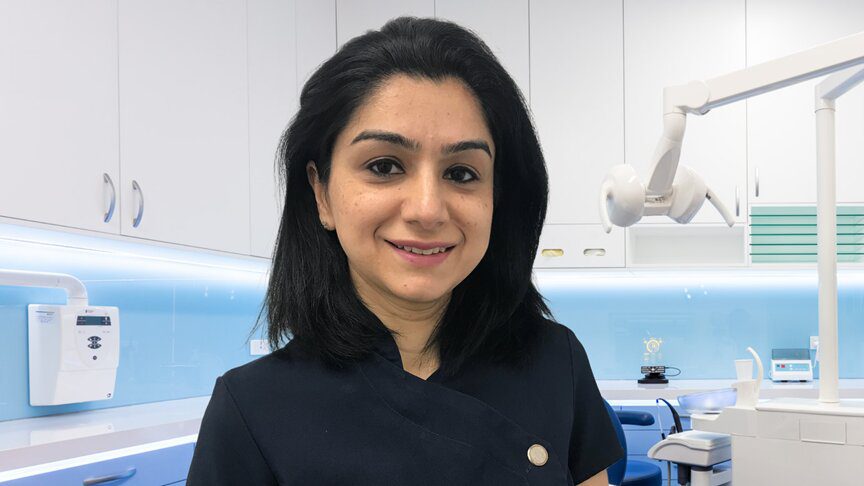
Dr Deepa Chopra
Principal Dentist & Clinic Founder
GDC registration number: 124489
Membership of the Faculty of Dental Surgery from the Royal College of Surgeons of Edinburgh
Membership of the British Dental Association
Restorative Dentistry from Tipton
Align Invisalign profile
LinkedIn profile
Areas of Expertise: 20+ Years Dentistry Experience. General Dentistry, Cosmetic Dentistry, Restorative Dentistry, Invisalign, Composite Bonding, Veneers, Root Canals, Crowns, Dentures, Gum Disease, Hygienist Services, Emergency Dental Services & Teeth Whitening.