

Many patients assume that because Invisalign is a branded treatment, any dentist can provide it in exactly the same way.
But Invisalign is not simply a product you “buy” – it’s a treatment that must be carefully diagnosed, planned and monitored.
So can any dentist provide Invisalign?
This guide explains who can legally offer Invisalign, how provider experience levels vary, and what to look for when choosing an Invisalign dentist in London.
Quick Answer: A general dentist can provide Invisalign if they have completed the required Invisalign provider training. However, certification is only the starting point. Experience, case selection, bite assessment, digital planning and monitoring all affect how predictable treatment is likely to be.
🔑 Key Takeaways
- Any dentist can provide Invisalign after certification training
- Experience levels vary widely between providers
- Case planning skill affects results more than the aligners themselves
- Complex bite issues require advanced staging and monitoring
- Choosing an experienced Invisalign provider improves predictability

🧭 Jump to:
Who is qualified to provide Invisalign?
Any registered dentist can offer Invisalign treatment in London after completing Invisalign’s certification programme.
This training covers:
- Digital scanning and case submission
- Treatment planning software
- Attachment placement
- Monitoring and refinements
However, certification is the starting point – not the measure of long-term experience.
What is an Invisalign certified dentist?
An Invisalign certified dentist is a dentist who has completed Invisalign provider training and is authorised to submit cases through the Invisalign system.
Certification means the dentist can offer Invisalign, but it does not automatically show how many cases they have completed or how experienced they are with complex bite correction.
When comparing Invisalign providers, it is worth asking about:
- How often they provide Invisalign treatment
- Whether they treat mild, moderate or complex cases
- How they assess bite stability
- How refinements are managed
- Whether they can show relevant case examples
Does Invisalign certification mean specialist training?
Invisalign certification allows dentists to provide aligner treatment, but it does not automatically make them orthodontic specialists. Orthodontists complete additional years of postgraduate training focused exclusively on tooth movement and bite correction.
Many experienced cosmetic dentists, however, develop significant Invisalign expertise through high case volumes and continued professional development.
Does Invisalign experience level matter?
Yes. Invisalign aligner treatment is heavily dependent on planning precision.
Two providers may use the same aligner system, but outcomes can differ depending on:
- Case selection skill
- Bite assessment accuracy
- Attachment strategy
- Refinement management
- Monitoring discipline
Clear aligners do not “work automatically.” They follow the digital plan created by your dentist.
You can see examples of completed cases here: Invisalign Before & After Results.
What can happen if Invisalign planning lacks experience?
While most Invisalign cases progress smoothly, insufficient planning can increase the likelihood of:
- Poor tracking (aligners not fitting properly)
- Excessive refinements
- Unstable bite results
- Unnecessary treatment extensions
- Relapse risk after treatment
Clear aligners rely on precise digital staging. If movement sequencing is not carefully structured from the outset, teeth may not respond as predicted.
You can read more about tracking issues here: What Causes Invisalign to Stop Tracking?.
Experience tiers
Invisalign providers are often categorised by case volume:
| Tier | What It Indicates |
|---|---|
| Certified | Completed basic Invisalign training |
| Gold / Platinum | Higher annual case volume |
| Diamond / Apex | Extensive aligner case experience |
Volume alone doesn’t guarantee outcomes, but it can indicate familiarity with a wider range of Invisalign cases.
Why digital planning skill matters
Invisalign relies on digital movement mapping before treatment begins.
Attachments, bite changes and tooth rotations must be staged carefully.
A well-structured plan reduces the likelihood of delays, unnecessary refinements and unstable bite outcomes.
Can a general dentist manage the entire Invisalign treatment?
Yes, a general dentist can manage the full Invisalign process if they are trained, experienced and the case is suitable for their scope of care.
A complete Invisalign journey usually includes:
- Initial assessment and suitability check
- 3D scan and digital treatment planning
- Attachment placement where needed
- Review appointments and progress monitoring
- Refinements if teeth do not track as expected
- Retainers after treatment
For complex bite problems, severe crowding, jaw discrepancies or cases outside the provider’s experience, referral to a specialist orthodontist may be appropriate.
Should you see a dentist or an orthodontist for Invisalign?
Both general dentists and orthodontists can provide Invisalign.
Orthodontists specialise exclusively in tooth movement and bite correction. Many experienced cosmetic dentists also manage complex Invisalign cases successfully.
The key consideration is:
- How many Invisalign cases have they completed?
- Do they show real case results?
- Do they explain bite stability?
- Do they discuss refinements openly?
If you’re unsure whether Invisalign suits your case, this guide may help: Am I a Candidate for Invisalign?.
Are Invisalign results the same at every clinic?
The aligners themselves are manufactured by Invisalign, but the treatment outcome depends on:
- Initial diagnosis
- Bite correction strategy
- Attachment placement planning
- Refinement management
- Retention planning after treatment
Two clinics may use the same system, yet approach planning very differently.
This is why reviewing real patient outcomes can be helpful before starting treatment: View Invisalign Before & After Cases.
Why does Invisalign cost vary between dentists?
If any dentist can provide Invisalign, why do prices differ?
Several factors influence cost:
- Provider experience
- Case complexity
- Number of aligners required
- Refinement policy
- Clinic location (Central London vs regional practices)
You can view a full breakdown here: Invisalign Cost in London.
If pricing appears unusually low, it’s worth reading: Is Cheap Invisalign a Red Flag?.
How to choose the best dentist for Invisalign near you
If multiple clinics offer Invisalign, how do you decide?
The best Invisalign dentist for you is not always the closest or cheapest provider. A good fit usually depends on case experience, clear communication, treatment planning, and whether the clinician is comfortable managing your specific bite and alignment needs.
When comparing providers, consider:
- Case experience and provider tier
- Transparency about refinements
- Clear explanation of treatment stages
- Real case examples
- Structured follow-up monitoring
In Central London, Invisalign demand is high – particularly among working professionals seeking discreet treatment.
A thorough consultation should include:
- 3D digital scan
- Detailed movement explanation
- Discussion of suitability
- Clear cost breakdown
FAQs: Can Any Dentist Provide Invisalign?
Many patients are unsure how Invisalign regulation works, whether provider experience really matters, and how to assess quality before committing to treatment.
Below are the most common questions patients ask when choosing an Invisalign dentist in London.
Is Invisalign harder than braces for dentists to provide?
Clear aligner therapy requires detailed digital planning and staging. The learning curve is different from fixed braces.
How do I check a dentist’s Invisalign experience?
Ask about case volume, before-and-after examples, and how they manage refinements.
Can I switch Invisalign providers mid-treatment?
It is possible, but transferring care may involve additional scans and fees.
Do dentists get commission for Invisalign?
Pricing arrangements vary between clinics and providers. Rather than focusing on commission, it is more useful to ask why Invisalign is being recommended, whether other options have been discussed, and whether the treatment plan matches your clinical needs.
How often do Invisalign patients need appointments or check-ups?
Appointment frequency varies by case, but Invisalign patients usually need periodic reviews to check fit, tracking, attachments and progress. More complex cases may require closer monitoring.
Does Invisalign training expire?
Dentists complete certification once but continue learning through ongoing cases and clinical education.
Do dentists do Invisalign?
Yes. General dentists can provide Invisalign after completing Invisalign provider training. Some orthodontists also offer Invisalign, especially for more complex bite correction cases.
Can dental therapists do Invisalign?
Invisalign treatment planning and prescribing should be led by an appropriately trained dentist or orthodontic provider. Dental therapists may support elements of care within their scope, but they do not usually lead full Invisalign treatment independently.
Do I need an orthodontist for Invisalign?
Not always. Many Invisalign cases can be managed by experienced general dentists. More complex orthodontic cases may benefit from specialist orthodontic input, depending on the bite, tooth movement and treatment goals.
Where can I find dentists certified to offer Invisalign?
You can look for dentists who clearly state they are Invisalign providers and ask the clinic to explain their training, experience level, case volume and treatment process. Certification confirms they can offer Invisalign, but experience still matters.
Is Invisalign suitable for complex bite problems?
In many cases yes – including overbite, underbite and crossbite correction – but planning complexity increases. You can read more here: Can Invisalign Improve Bite Alignment?.
Looking for an Experienced Invisalign Provider in London?
At Whites Dental, we provide advanced Invisalign treatment using detailed 3D planning, structured monitoring and transparent pricing. Visit us at one of our two Invisalign clinics in London.
- ✅ Experienced Invisalign team
- ✅ Comprehensive, Lite & i7 options
- ✅ 0% finance available
- ✅ Transparent Invisalign cost breakdowns
If you’d like to understand whether Invisalign is suitable for you, a consultation is the best next step.
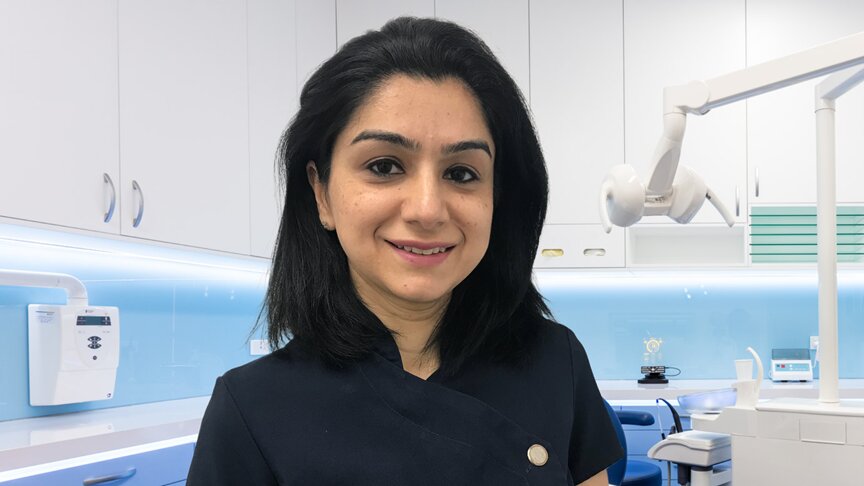
Author

Dr Deepa Chopra
Principal Dentist & Clinic Founder
GDC registration number: 124489
Membership of the Faculty of Dental Surgery from the Royal College of Surgeons of Edinburgh
Membership of the British Dental Association
Restorative Dentistry from Tipton
Align Invisalign profile
LinkedIn profile
Areas of Expertise: 20+ Years Dentistry Experience. General Dentistry, Cosmetic Dentistry, Restorative Dentistry, Invisalign, Composite Bonding, Veneers, Root Canals, Crowns, Dentures, Gum Disease, Hygienist Services, Emergency Dental Services & Teeth Whitening.