

Key Takeaway
Porcelain veneers typically last 10–15 years and many last longer with excellent care. However, replacement isn’t determined by time alone—it’s usually driven by specific problems, including chips, cracks, staining, outdated shapes, gum recession, visible margins, poor tooth preparation from older dentistry or veneers that no longer match your evolving facial aesthetic. Recognising these signs early and replacing old veneers ensures your smile stays natural-looking, functional and healthy. When on occasion issues do arise, the latest porcelain veneers provide many advantages – such as stronger ceramic/porcelain materials, better bonding to the tooth and more accurate customisation as compared to older versions. This makes veneer replacement a good opportunity to refresh your smile.
Understanding Why Porcelain Veneers Need Replacing
Porcelain veneers are strong, durable restorations designed to improve the appearance of your teeth. Yet even high-quality veneers eventually reach a point where replacement becomes necessary. Replacement is not typically due to sudden failure, but rather the gradual development of aesthetic or structural problems over time. Common triggers for replacement include:
- Chips, cracks or fractures
- Discolouration or staining around veneer edges
- Old veneers that look unnatural by today’s standards
- Gum recession exposing veneer margins.
- Visible or darkened bonding lines.
- Veneers that no longer fit your bite.
- Tooth wear on opposing teeth
- Changes in face shape or smile dynamics
Replacement becomes important when these issues affect your smile’s appearance, your bite, or the long-term health of your teeth.
💡If you notice changes in the look or feel of your dental veneers, addressing problems early prevents more complex treatment later. At Whites Dental in London, our team of veneer dentists provide a full range of porcelain veneers in London.
Signs Your Porcelain Veneers Need Replacement
Chips, Cracks And Structural Wear
Porcelain veneers are known to be highly durable. However, having said that – they are not indestructible. Over time, microscopic fractures can develop, especially if you grind your teeth or bite hard objects. Common indicators include:
- A small chip on the edge of the veneer.
- A fine crack line visible under strong lighting.
- Roughness or sharpness on the veneer surface
- Increased sensitivity in the underlying tooth
A damaged veneer can allow bacteria to enter the margins and affect the natural tooth underneath, making timely replacement important.
💡If you grind your teeth at night, ask your dentist about a night guard to protect replacement veneers.
Staining Around The Edges
Porcelain itself doesn’t stain, but the bonding material at the edges can darken over time. This is one of the most common aesthetic reasons for replacement. Stains are often caused by:
- Coffee, tea, red wine and smoking.
- Old resin cement that has aged or worn.
- Slight lifting of veneer margins.
- Gum recession exposing older bonding material
Once this edge staining appears, whitening treatments won’t fix it—only replacement can restore a seamless, bright finish.
💡If your veneers look stained but your natural teeth whiten, it’s often a sign replacement is the only solution for colour consistency.
Veneers That Look Bulky Or Artificial
Veneer design and technology have advanced dramatically over the past decade. Older veneers often look:
- Too opaque
- Too bulky
- Too square or uniform.
- Too bright compared to natural teeth.
- Flat, with little translucency.
- Disconnected from gum contours
Many patients seek replacement not because of damage, but because they want veneers that look more natural, modern and elegant.
💡If your porcelain veneers were fitted more than 10 years ago, you’ll likely benefit from the more lifelike ceramics available today.
Gum Recession Exposing Veneer Margins
As gums naturally recede with age, veneer edges that were once hidden become exposed. This reveals:
- A visible line between the veneer and the tooth
- Dark margins
- Mismatched colour between natural teeth and veneers
- Sensitivity due to exposed root surfaces
Gum recession is extremely common and can affect even perfectly fitted veneers.
💡If recession is minimal, gum treatments may help—but replacement veneers are the only way to restore seamless aesthetics.
Bite Changes Influencing Veneer Fit
Your bite is dynamic and shifts over time. When this happens, old veneers may no longer sit in harmony with the way your teeth meet. Indicators include:
- Clicking or knocking of teeth during chewing
- New discomfort or sensitivity
- Edge chipping due to extra stress on one area.
- Loosening of veneers.
Replacing teeth veneers ensures the new restorations integrate correctly with your current bite pattern.
💡Veneer replacement often includes a bite assessment to prevent future damage.
Outdated Colour Or Shape
Your smile preferences may evolve. For example:
- You once wanted a Hollywood-style bright white but now prefer natural ivory tones
- You want more masculine or feminine shaping
- You want subtle improvements instead of dramatic results
- You want veneers that match your current age and face shape
Veneer aesthetics are personal—and replacement lets you refine your smile to better reflect who you are today.
💡Bring photo references to your consultation to help your dentist understand your preferred look.
How Long Do Porcelain Veneers Typically Last?

Although porcelain veneers treatment usually last 10–15 years, their lifespan varies depending on:
The Quality Of The Original Veneers
Older techniques often used thicker ceramics and less advanced bonding materials, which may deteriorate faster.
The Skill Of The Original Dentist
Veneers created without proper smile design or bonding can fail earlier.
Your Oral Habits
Grinding, nail-biting, and chewing hard foods all accelerate wear.
Gum And Bone Health
Recession can expose margins, requiring replacement even if the veneer is structurally intact.
Average lifespan indicators:
- 7–10 years: common for older-generation veneers
- 10–15 years: typical for modern veneers.
- 15–20+ years: possible with excellent care
💡Regular dental check-ups significantly extend the lifespan of porcelain veneers.
Problems That Occur With Old Porcelain Veneers
Darkening Of Bonding Material
The resin that attaches the veneer to the tooth can darken over time. This creates:
- A greyish halo around veneers.
- Visible “lines” near the gums
- A mismatch between natural teeth and veneers
Replacement is the only long-lasting fix.
Misalignment As Teeth Shift
Teeth can move subtly as we age. This movement may create:
- Gaps between veneers
- Crowding that makes veneers appear off-centre
- A smile that looks unbalanced.
- Bite issues leading to veneer chipping.
Replacement helps correct alignment through updated smile design.
Loss Of Lustre
Porcelain can lose some of its reflective quality over time due to microscopic surface wear.
You may notice:
- A matte or dull finish.
- Less translucency.
- Less natural shine
- Surface pitting
New veneers restore a fresh, glossy, natural look.
💡If polish alone doesn’t restore shine, replacement veneers may be needed.
What Happens During Porcelain Veneer Replacement?
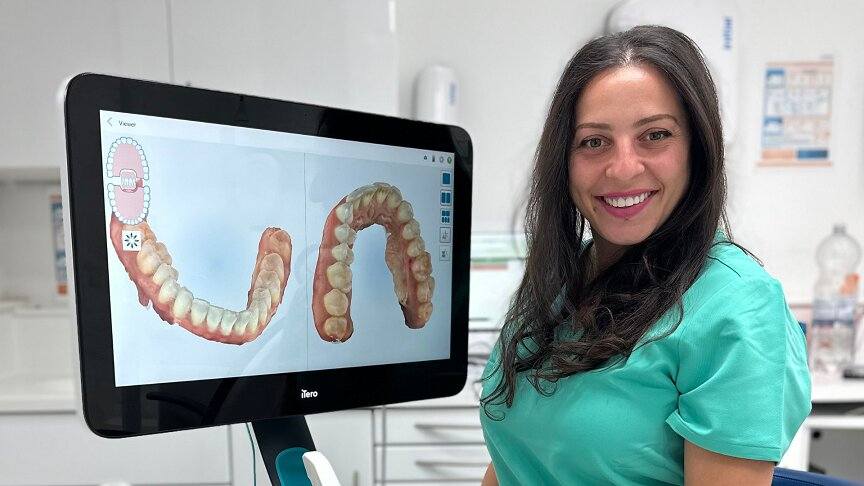
Replacement often involves removing old veneers and fitting upgraded restorations. The process usually includes:
Assessment And Smile Evaluation
Your veneers dentist evaluates:
- Gum health
- Old veneer condition
- Colour fading
- Margin integrity
- Bite alignment
- Tooth structure under the old veneers
Digital photographs, scans of your teeth and modern shade guides can help you resign your new upgraded smile.
Removing The Old Veneers
Old veneers are carefully lifted off without harming the natural tooth underneath. Any old bonding material is cleaned away to prepare a fresh surface.
Preparing The Teeth
Modern techniques often require less preparation than older ones. Only minimal refinement is performed if needed.
Creating New Veneers
The new porcelain veneers are now manufactured using the latest compounds of porcelain and ceramic materials that offer:
- Higher strength
- More translucency.
- Better colour layering.
- Longer-lasting bonding.
Trial Fitting And Adjustments
Temporary veneers help you “preview” your new smile. Once the final veneers are ready, you try them in and approve the look before bonding.
Final Bonding
The new porcelain veneers are permanently bonded and polished.
💡Replacement is usually smoother and faster than the first veneer procedure, as the teeth already have the correct foundation.
How Often Should You Check Old Porcelain Veneers?
You should have them checked:
- Twice a year during routine exams.
- Immediately if you notice cracks, chips or dark edges.
- If you feel pressure or discomfort during biting.
- If gum recession becomes visible
- If you want to improve the colour or shape
Seeing your dentist regularly ensures you replace veneers at the right time—neither too early nor too late.
💡Veneer monitoring is painless and quick, often completed during a standard check-up.
Preventing Problems And Extending Veneer Lifespan
To avoid premature replacement:
- Wearing any type of mouth guard while you sleep at night is advisable – especially if you grind your teeth
- Avoid chewing hard foods like ice or pens
- Maintain excellent oral hygiene
- Visit your dentist regularly.
- Avoid aggressive whitening treatments.
- Minimise smoking and staining foods
- Address gum recession early
💡 A small change in habits can add years to the life of your porcelain veneers.
How Whites Dental Can Help With Veneer Replacement
If your porcelain veneers are showing signs of age, damage or discolouration, Whites Dental in London provides expert veneer assessments and replacement treatments using advanced ceramic materials and modern smile design.
The team offers:
- Detailed veneer condition checks.
- High-resolution digital imaging.
- Custom smile design
- Natural-looking shade matching
- Minimally invasive replacement techniques.
- Long-lasting porcelain veneers crafted to modern standards
- Personalised treatment plans based on your goals.
You can visit Whites Dental at either of their central London locations:
- Waterloo
- Marble Arch
Whether you need one veneer replaced or a full smile upgrade, Whites Dental focuses on delivering natural, seamless, durable porcelain veneers that restore confidence and aesthetics.
💡A consultation at Whites Dental helps you understand the condition of your current veneers and whether replacement will enhance your smile. Book a free porcelain veneers consultation with one of our expert team.