


Tooth pain when biting down is one of the most alarming and uncomfortable dental symptoms people experience. The sensation may be sharp, sudden, dull, intermittent, localised or radiating. But no matter how it presents, pain triggered by pressure is a sign that something deeper is wrong with the tooth, gum or surrounding structures. Understanding why this pain occurs and how dentists diagnose and treat it is essential if you want fast and long-lasting relief.
This comprehensive guide explains the main causes behind bite-related tooth pain, the symptoms linked to each condition, what to expect during diagnosis, how different treatments work and why seeking prompt treatment for tooth pain with a dentist is the key to preventing further damage.
Key Takeaway
Tooth pain when biting usually indicates an underlying issue such as a cracked tooth, decay, gum disease, a high filling, bite imbalance, sinus pressure or nerve inflammation. Most causes worsen without professional treatment. A dentist can diagnose the exact source using examination, bite tests, X-rays and 3D imaging. Treatments may include fillings, root canal therapy, splints, gum treatment, bite adjustment or in severe cases, extraction. Seeing a dentist early prevents complications and provides quicker, more predictable relief.
Understanding Bite-Induced Tooth Pain
Toothache or pain that occurs only when chewing or applying pressure is different from sensitivity to cold or spontaneous throbbing. This section explains what sets bite pain apart and why it’s such a significant warning sign.
What Bite-Related Pain Indicates
• It often signals structural damage
• It may indicate nerve irritation or pulpal inflammation
• It can arise from uneven forces on a tooth
• It may show infection or inflammation in surrounding tissues
• It can reflect trauma from grinding or clenching
When you bite, enormous pressure is generated — often three to six times higher than during gentle contact. Any weakness or inflammation becomes amplified. That’s why bite pain is commonly the first symptom of deeper oral issues.
💡If your tooth hurts only under pressure, do not ignore it. The cause is rarely temporary and usually requires targeted toothache treatment.
Common Causes Of Tooth Pain When Biting

There are several conditions that specifically trigger pain during biting or chewing. Each type of tooth pain presents differently and requires different treatment.
Cracked Tooth Syndrome
A crack is one of the most frequent causes of sharp, sudden pain when biting down.
How Cracks Develop
• Grinding or clenching
• Large fillings weakening the remaining tooth structure
• Chewing hard or brittle foods
• Accidental trauma
• Age-related weakening
Signs You May Have A Cracked Tooth
• Sharp pain when biting or releasing pressure
• Sensitivity to cold
• Intermittent pain that is hard to localise
• Tooth pain that first comes and then goes away – this happens over the course of the day
• A sort of ‘feeling’ that some thing is lodged between your teeth
Why Cracks Cause Bite Pain
When you bite, the crack flexes. This movement irritates the nerve and surrounding tissues, creating sudden pain.
💡 Cracks do not heal naturally. Early diagnosis enables simpler treatment and prevents the crack from spreading deeper.
Tooth Decay And Cavities
Decay can spread into deeper layers of the tooth and cause pain when you bite.
How Decay Causes Bite Pain
• Cavities weaken the tooth structure
• Pressure forces food and bacteria into decayed areas
• Deep decay irritates the nerve
• Decay can lead to infection, causing severe sensitivity to pressure
Symptoms Of Decay-Related Bite Pain
• Pain when chewing
• Sensitivity to sweets
• Visible holes or dark spots
• Food catching in the tooth
• Occasional throbbing
When Decay Requires Urgent Care
If decay reaches the nerve, biting pain often becomes constant or more severe.
💡Pain during chewing is a strong indicator that decay has gone beyond the surface layer — early restoration from a toothache dentist prevents extensive treatment later.
Gum Disease And Periodontal Issues
The tissues supporting your teeth can also cause pressure-based pain.
How Gum Disease Triggers Bite Pain
• Inflammation around the roots
• Bone loss causing teeth to become mobile
• Infection creating pressure around the ligaments
• Localised abscesses forming near the tooth
Warning Signs Of Gum-Related Bite Pain
• Swollen or bleeding gums
• Bad breath
• Loose teeth
• Gum recession
• Pus or swelling around a tooth
💡 Tender gums and biting pain together should always prompt a periodontal evaluation to prevent worsening mobility or infection.
A High Filling Or Crown
If a restoration sits too high, it receives excessive force when biting.
Why High Restorations Cause Pain
• High restorations will be whether the teeth across the two arches first make contact
• The excessive pressure bruises the ligament
• Inflamed ligaments create bite-triggered pain
• The pain typically worsens throughout the day
Symptoms Of A High Bite
• Localised pain when chewing
• Teeth feel like they don’t fit together
• Sensitivity without swelling
• Recent dental work
💡 A bite adjustment is quick and highly effective — the pain usually resolves within days once the pressure is corrected.
Bruxism And Tooth Grinding
Grinding or clenching exerts tremendous pressure on teeth.
How Bruxism Leads To Pain When Biting
• Microfractures develop
• Ligaments become inflamed
• Teeth shift slightly
• Muscles fatigue and become painful
Signs Of Grinding-Related Bite Pain
• Morning jaw pain
• Worn or flattened teeth
• Headaches
• Tight jaw muscles
• Cracked or chipped enamel
💡 A dentist-fitted night guard can significantly reduce bite pain by relieving constant pressure on the teeth.
Sinus Pressure And Tooth Pain
The back teeth on your upper arch are located close to your sinus cavities. Sinus inflammation can mimic tooth pain.
Symptoms Of Sinus-Related Tooth Pain
• Pain when biting with upper molars
• Pain increases when leaning forward.
• Nasal congestion.
• Facial pressure.
How To Tell It’s Not A Tooth Problem
• Multiple teeth hurt simultaneously.
• There’s no visible damage.
• Pain coincides with cold or allergy symptoms
💡 If pain affects several upper teeth, consider sinus causes — but still have a dentist confirm no hidden dental issues exist.
Abscesses And Tooth Infection
Infections inside or around a tooth can cause severe pressure pain.
How Abscesses Create Bite Pain
• Pus builds up at the root
• Pressure increases around the ligament
• Surrounding tissues become inflamed
• The tooth may feel “taller”
Signs Of Infection-Related Bite Pain
• Throbbing
• Swelling
• Bad taste
• Sensitivity to warmth
• Fever (in some cases)
💡Infection is a dental emergency. Toothache treatment with a dentist prevents the spread of bacteria to other areas of the body.
How Dentists Diagnose Bite-Related Tooth Pain
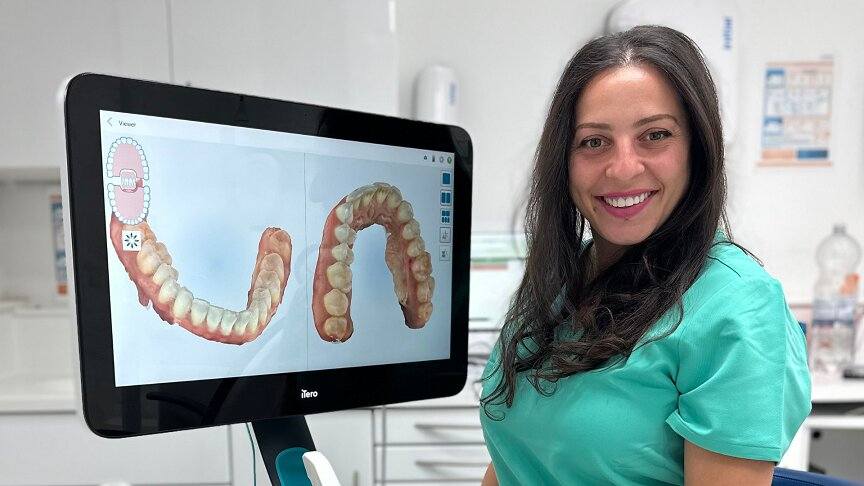
Dentists use a combination of tests and imaging to identify the exact cause.
Clinical Examination
• Checking for cracks
• Looking for decay.
• Assessing gum health
• Evaluating restorations.
• Identifying bite imbalances.
Why Examination Matters
The source of pain is not always obvious — symptoms often overlap.
💡 The examination helps narrow down causes, but imaging is essential for confirming the diagnosis.
Bite Tests
These tests replicate the pressure that causes pain.
Common Bite Tests
• Using a bite stick on individual cusps
• Having you chew on cotton rolls
• Asking you to release pressure quickly
What Bite Tests Reveal
• Cracks that only hurt on release
• High spots on fillings
• Localised sensitivity
💡 If the pain only appears when releasing pressure, a crack is highly likely.
X-Rays And Imaging
Dentists rely on imaging to see beneath the surface.
Diagnostic Tools Used
• Standard dental X-rays
• Bite-wing images
• Periapical X-rays.
• Cone beam CT (for complex cases)
What Imaging Helps Diagnose
• Deep decay;
• Infections.
• Bone loss
• Failed root canals
• Hidden cracks
💡 Even if pain is severe, the problem may be invisible without X-rays — imaging ensures accurate treatment.
Treatment Options For Pain When Biting Down
Treatment depends entirely on the underlying cause. Here are the most common solutions.
Treating Cracked Teeth
• Composite bonding for minor cracks
• Onlays or crowns to strengthen the tooth;
• Root canal therapy if the crack reaches the nerve;
• Extraction for severe, vertical cracks
Why Early Treatment Matters
Small cracks become larger under pressure. Quick treatment preserves the tooth.
💡 Seeing a dentist at the first sign of bite pain often prevents needing a crown or root canal later.
Treating Tooth Decay
• Small cavities treated with fillings.
• Larger decay restored with inlays or onlays.
• Deep decay requiring root canal therapy.
• Severe cases requiring extraction.
How Dentists Decide Treatment
The depth of decay relative to the nerve determines the approach.
💡 Pain when biting often suggests decay has reached deeper layers — early detection avoids extensive procedures.
Treating Gum Disease
• Professional cleaning.
• Root planing.
• Gum therapy.
• Antibiotics (when appropriate).
• Addressing bite issues that worsen inflammation
How Gum Treatment Helps Bite Pain
Treating inflammation stabilises teeth and reduces tenderness.
💡 If teeth feel loose and painful when chewing, periodontal treatment is essential.
Treating High Fillings Or Crowns
• Adjusting the bite
• Smoothing the restoration
• Replacing the restoration if severely misaligned
Why Adjusting The Bite Works Quickly
Relieving excessive pressure gives the ligament time to heal.
💡 Pain usually improves within 24–48 hours after correction.
Treating Bruxism
• Custom night guards.
• Bite balancing.
• Muscle relaxation therapies.
• Stress management support.
• Monitoring tooth wear
Long-Term Benefits
Reducing grinding saves enamel and prevents fractures.
💡 If you wake with jaw pain or chipped teeth, grinding is likely contributing to bite pain.
Treating Abscesses
• Draining the infection.
• Root canal therapy.
• Antibiotics (when appropriate).
• Extraction for non-restorable teeth.
Why Abscesses Require Immediate Care
An abscess can spread rapidly.
💡 Swelling plus bite pain is a strong sign to seek urgent dental care.
How Long Bite-Related Tooth Pain Lasts
The duration depends on the cause and treatment.
Expected Recovery Times
• High filling: 1–3 days.
• Minor gum inflammation: 1–2 weeks.
• Filling or crown: a few days.
• Root canal therapy: a few days to one week.
• Periodontal treatment: improvement over several weeks.
• Cracked tooth treated with a crown: immediate reduction, full stabilisation in days
When Pain Persists
Some cases involve ongoing ligament healing or nerve recovery.
💡If pain does not improve after toothache treatment, further evaluation is needed.
Why You Should Not Ignore Bite-Triggered Tooth Pain
Ignoring bite pain increases risks significantly.
Potential Consequences
• Crack spreading
• Tooth fracture
• Nerve death.
• Infection.
• Tooth loss.
• Bite misalignment.
• Jaw pain
Why Early Dental Care Helps
Prompt treatment is almost always simpler, cheaper and more predictable.
💡 Pain is your tooth’s warning system — the earlier you respond, the better the outcome.
How Whites Dental In London Can Help With Tooth Pain
Whites Dental provides comprehensive diagnosis and treatment for pressure-related tooth pain at our London based dental clinics using modern imaging, meticulous bite analysis and gentle techniques. Our clinicians regularly treat cracked teeth, decay, infection-related pain and bite imbalances – providing tooth pain relief to our patients.
Why Patients Choose Whites Dental
• Same-day emergency appointments
• Focused bite and pressure-pain diagnostics.
• Experienced clinicians in restorative and endodontic care.
• Gentle local anaesthesia for pain-free treatment.
• Modern equipment including digital X-rays and CBCT.
• Personalised aftercare and monitoring.
• Expertise in managing complex bite-related symptoms
Clinic Locations
• Whites Dental Waterloo
• Whites Dental Marble Arch (W2)
💡 If biting down triggers pain, visit a clinic experienced specifically in diagnosing pressure-related symptoms — early treatment protects your long-term oral health.
Final Thoughts
Bite-triggered pain is one of the clearest signs that a tooth or its supporting structures need professional attention. Whether the cause is a crack, decay, gum issues, sinus pressure, infection or bite imbalance, the sooner the issue is identified, the easier the treatment tends to be.
If you experience pain when biting down, schedule an assessment promptly. A dentist can diagnose the exact source, relieve symptoms and prevent further complications.
Author

Dr Deepa Chopra
Principal Dentist & Clinic Founder
GDC registration number: 124489
Membership of the Faculty of Dental Surgery from the Royal College of Surgeons of Edinburgh
Membership of the British Dental Association
Restorative Dentistry from Tipton
Align Invisalign profile
LinkedIn profile
Areas of Expertise: 20+ Years Dentistry Experience. General Dentistry, Cosmetic Dentistry, Restorative Dentistry, Invisalign, Composite Bonding, Veneers, Root Canals, Crowns, Dentures, Gum Disease, Hygienist Services, Emergency Dental Services & Teeth Whitening.