


Tooth pain can range from mild irritation to severe, debilitating discomfort. While some toothaches are caused by minor issues like sensitivity or a small chip, others can be the first sign of a serious dental infection. Recognising the difference and acting quickly can protect your teeth, relieve pain and prevent complications. This guide explains the causes of tooth pain, key warning signs of infection, treatment options and prevention strategies — with guidance for patients seeking care in central London.
💡At Whites Dental, our expert dentists provide toothache treatments to get you out of pain. Call us for a same day appointment.
Understanding Tooth Pain: Infection Vs Non-Infectious Causes
Not all tooth pain signals infection. Understanding the source of your discomfort helps you know when to seek urgent care.
Non-Infectious Causes Of Tooth Pain
- Sensitivity caused by enamel erosion or exposed dentine
- Minor chips or superficial cracks.
- Gum irritation from brushing, flossing or trapped food
- Bite-related soreness from clenching, grinding, or misalignment
- Pressure or sinus-related pain that is not dental in origin
Causes That Often Lead to Infection
- Deep decay reaching the tooth pulp
- Cracked or fractured teeth that expose inner tissue
- Leaking or failed fillings and crowns
- Advanced gum disease affecting the root area.
- Dental trauma compromising blood supply to the tooth.
Pain that worsens, persists, or comes with additional symptoms may indicate infection.
💡Persistent or worsening tooth pain should always be treated by a dentist.
Common Warning Signs Of A Dental Infection
Dental infections often develop slowly, but certain symptoms indicate that immediate attention is needed.
Persistent or Throbbing Pain
- Continuous pain that doesn’t improve
- Pain radiating to the jaw, ear or neck
- Discomfort when biting or chewing
Swelling And Gum Issues
- Swelling in the gum, cheek, or face near the tooth.
- Redness or tenderness around the tooth
- Presence of a small, pus-filled bump (gum boil)
Bad Taste Or Pus Discharge
- Persistent foul taste in the mouth.
- Visible pus or fluid near the affected tooth
Systemic Signs Of Infection
- Fever or chills.
- Fatigue or general unwell feeling
- Lymph nodes that are swollen – either under your jaw or in your neck
Night Pain Or Pain When Lying Down
Gravity can increase pressure in the affected tooth, making pain worse at night or when lying flat.
💡Swelling, pus or systemic symptoms indicate a dental infection that requires urgent treatment.
Potential Risks Of Untreated Tooth Infection

Ignoring a dental infection can lead to serious complications beyond the tooth itself.
Local Complications
- Formation of a dental abscess (pus pocket).
- Damage to surrounding bone and soft tissue
- Tooth loss if the infection becomes severe
Spread Of Infection
- Infection may affect adjacent teeth or jawbone.
- Deep tissue infections in the face or neck may develop.
- Rarely, untreated infections can affect the airway or lead to systemic illness
💡Prompt dental care prevents the infection from spreading and protects overall health.
How Dentists Diagnose A Dental Infection
Proper diagnosis of a toothache is essential for effective treatment.
History And Symptom Review
- Timing, duration, and triggers of pain
- Recent dental work or trauma
- Presence of swelling, fever or pus
Clinical Examination
- Visual inspection of gums and surrounding tissues
- Palpation for swelling or tenderness
- Percussion of the tooth to detect pain.
- Checking for tooth mobility.
Pulp Testing And X-Rays
- Cold, electric, or thermal tests to assess nerve vitality.
- X-rays to detect abscesses, bone loss, or deep decay.
- Cone-beam CT may be used for complex cases
💡Providing a clear timeline of your symptoms can speed up diagnosis and toothache treatment.
Treatment Options For Dental Infections
Treatment removes the source of infection, relieves pain and protects your tooth.
Abscess Drainage
- Pus is drained to relieve pressure and pain
- Often performed as an immediate emergency procedure
Root Canal Treatment
- Removal of pulp tissue that is infected, followed by subsequent sealing of the tooth.
- Preserves the natural tooth
- Crown may be placed later to restore strength
Tooth Extraction
- Required when the tooth is too damaged to save
- Removes the infection source completely
Periodontal Therapy
- For gum-related infections
- Scaling and root planing to remove bacterial buildup
Supporting Measures
- Short course antibiotics if the infection is spreading
- Analgesics for pain relief.
- Saltwater or antiseptic rinses to reduce bacteria
💡Antibiotics alone rarely cure dental infections; professional treatment with a toothache dentist is almost always required.
Immediate Actions You Can Take at Home
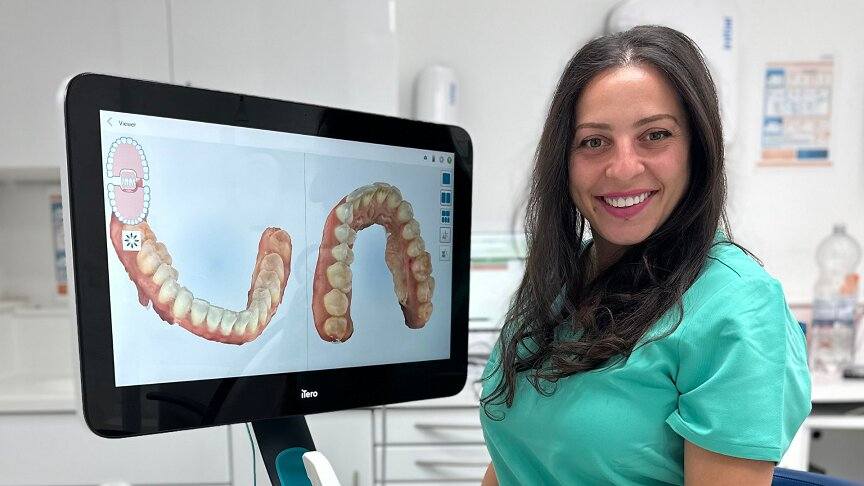
While waiting for dental treatment, you can reduce pain and prevent further spread.
- Rinse with warm saltwater several times daily
- Take over-the-counter painkillers as recommended
- Avoid chewing on the affected tooth.
- Eat soft foods and avoid hot or acidic drinks.
- Sleep with your head elevated to reduce pressure.
💡These measures provide temporary relief but do not replace professional care.
Recovery And What To Expect After Treatment
Drainage and Antibiotics
- Pain and swelling usually improve within 24–72 hours
- Full healing can take 1–2 weeks
Root Canal Treatment
- Pain decreases within days after initial treatment
- Completion may require multiple appointments over 1–4 weeks
Tooth Extraction
- Immediate relief once infected tooth is removed
- Tissue healing over 1–2 weeks.
Periodontal Therapy
- Gradual improvement with multiple sessions
- Ongoing maintenance needed to prevent recurrence
💡Follow all aftercare instructions carefully and return to the dentist if pain worsens.
Preventing Dental Infections
Daily habits and regular check-ups can prevent most dental infections.
- Brush twice daily with fluoride toothpaste
- Floss daily or use interdental brushes.
- Limit sugary and acidic foods and drinks.
- Wear mouthguards for sports or nightguards for teeth grinding.
- Attend regular dental check-ups to catch early decay or cracks
- Treat minor issues promptly before they become infections
💡Prevention is easier, cheaper and less painful than treating a dental infection.
Frequently Asked Questions About Toothache And Infection
What If The Pain I Experience Only Occurs With Cold Food/Drinks Or With Sweets?
Brief sensitivity may indicate enamel or dentine issues. Persistent or spontaneous pain needs dental evaluation.
Can I Use Leftover Antibiotics?
No. Only a dentist should prescribe antibiotics for a dental infection to ensure correct dosing and effectiveness.
Will Infection Always Cause Swelling?
Early infections may only cause pain. Swelling usually develops later as pus accumulates.
Is Root Canal Treatment Painful?
Modern techniques and anesthesia make root canal treatment manageable, with minimal discomfort.
When Should I Go To Hospital Instead Of A Dentist?
Severe swelling affecting breathing or swallowing, high fever or rapidly spreading infection requires immediate hospital attention.
💡Early evaluation by a dentist prevents escalation and reduces treatment complexity.
Why Patients Should Visit Whites Dental In London For Tooth Pain Treatment
Whites Dental provides fast, expert treatments for toothache and tooth pains in Central London.
Clinic Locations
- Whites Dental Marble Arch (W2) — 52B Kendal Street, St George’s Fields, London W2 2BP.
- Whites Dental Waterloo (SE1) — 172 Blackfriars Road, London SE1 8ER.
Why Choose Whites Dental
- Emergency appointments available for urgent tooth pain relief in London
- Comprehensive care: abscess drainage, root canal treatment, extractions, restorative work
- Experienced dental professionals skilled in emergency, endodontic, and surgical treatments
- Clear communication, aftercare instructions and follow-up appointments
💡If you experience swelling, pus or severe tooth pain, contact Whites Dental promptly for same-day assessment.
Related Articles
Author

Dr Deepa Chopra
Principal Dentist & Clinic Founder
GDC registration number: 124489
Membership of the Faculty of Dental Surgery from the Royal College of Surgeons of Edinburgh
Membership of the British Dental Association
Restorative Dentistry from Tipton
Align Invisalign profile
LinkedIn profile
Areas of Expertise: 20+ Years Dentistry Experience. General Dentistry, Cosmetic Dentistry, Restorative Dentistry, Invisalign, Composite Bonding, Veneers, Root Canals, Crowns, Dentures, Gum Disease, Hygienist Services, Emergency Dental Services & Teeth Whitening.