


Key Takeaway
- The longevity of repaired teeth depends on the type of repair, materials used and individual oral care habits.
- Composite fillings usually last 5–7 years, while crowns, veneers and inlays/onlays can last 10–15 years or longer.
- Early intervention, proper treatment and regular dental check-ups help prevent further damage and extend repair lifespan.
- Lifestyle habits such as avoiding hard foods, grinding or chewing ice can significantly impact the durability of repaired teeth.
💡 If you have a chipped, broken or cracked tooth – visit one of our expert dentists for treatment for cracked, chipped or a broken tooth.
Understanding Cracked, Broken And Chipped Teeth
Cracked, broken or chipped teeth are among the most common dental injuries patients experience. They can occur due to accidents, biting on hard foods, trauma, grinding or weakened enamel over time. These types of damage are not only aesthetically concerning but can also lead to serious oral health problems if left untreated.
When a tooth is cracked, bacteria can infiltrate the inner layers, including the pulp, which may lead to infections, abscesses, or the need for a root canal. Broken or chipped teeth can also cause sharp edges that injure your tongue or cheeks. Recognising the severity of the damage is essential for deciding the appropriate treatment and predicting how long a repair will last.
💡 Some minor chips may be purely cosmetic, while deep cracks might affect the structural integrity of the tooth. A thorough dental assessment is required to understand the depth of the damage and choose the most suitable repair option.
Types Of Tooth Repairs And Their Lifespan

The type of dental repair for a cracked or broken tooth significantly influences how long a restored tooth will last. Different materials and techniques offer varying durability and aesthetics.
Composite Bonding
Composite bonding involves applying a tooth-colored resin to restore minor chips or cracks. It is minimally invasive, usually completed in a single visit, and can effectively improve the appearance and function of a damaged tooth.
- Longevity: 5–7 years
- Advantages: Quick procedure, preserves natural tooth structure, cost-effective
- Considerations: Composite resin can stain over time and may require touch-ups; not suitable for large fractures.
Bonding is often recommended for patients with minor cosmetic damage or small cracks that do not compromise tooth function. Regular dental hygiene practices and avoiding stain-inducing foods like coffee or red wine can help maintain bonding for longer periods.
Dental Crowns
Crowns are used for teeth with extensive damage or weakened structure. A crown encases the entire tooth, providing strength, stability, and aesthetic improvement. They are commonly used after root canal treatment or when a tooth has a large fracture.
- Longevity: 10–15 years on average, sometimes longer
- Advantages: Protects and strengthens the remaining tooth, improves appearance, durable
- Considerations: Crowns can chip, crack, or require replacement if the underlying tooth decays; requires more tooth preparation than bonding
Crowns are ideal for patients who need long-term durability. With regular dental check-ups, crowns can last well over a decade, maintaining both function and smile aesthetics.
Veneers
Veneers are thin shells, usually made of porcelain, applied to the front surface of teeth. They are excellent for minor to moderate cracks, chips or cosmetic concerns.
- Longevity: 10–15 years or more with proper care
- Advantages: Highly aesthetic, resistant to staining, conserves most of the tooth structure
- Considerations: Can chip under excessive force, not suitable for teeth with severe structural damage
Veneers offer a natural-looking repair that can transform the appearance of teeth while providing moderate protection for damaged enamel. Avoiding hard foods and using a night guard if you grind your teeth will help extend their life.
Onlays and Inlays
Inlays and onlays are partial restorations used when damage is too extensive for a filling but does not require a full crown. Made from durable materials like porcelain or gold, they are custom-fitted to repair the damaged portion of the tooth.
- Longevity: 10–15 years
- Advantages: Very durable, preserves more natural tooth than a crown, excellent fit and function
- Considerations: Requires multiple appointments, can be costly
Onlays and inlays are ideal for patients seeking a durable solution that conserves tooth structure while addressing more significant cracks or fractures.
Factors Affecting Tooth Repair Longevity
Multiple factors influence how long a repaired broken tooth will last. Patients should be aware of these to ensure their repair remains functional for as long as possible.
Oral Hygiene
Maintaining excellent oral hygiene is the most critical factor. Brush at least two times a day, floss every day as well – and equally importantly – use an antibacterial mouthwash to prevent decay around the repair. Failing to keep the repair clean increases the risk of failure and reduces lifespan.
Bite And Chewing Habits
How you use your teeth can greatly impact repair durability. Avoid chewing ice, hard candies, or opening bottles with your teeth. Patients who grind their teeth (bruxism) should use custom night guards to protect their restorations.
Material And Technique
The quality of the material and the skill of the dentist performing the repair determine durability. High-quality porcelain, ceramic, and gold restorations last longer than composite resins under heavy stress.
Professional Care
Regular dental visits every six months allow dentists to monitor the repair and detect early signs of wear, cracks or decay. Intervening in good time can often prevent minor issues from getting worse and turning into major problems.
Signs That A Tooth Repair Needs Attention
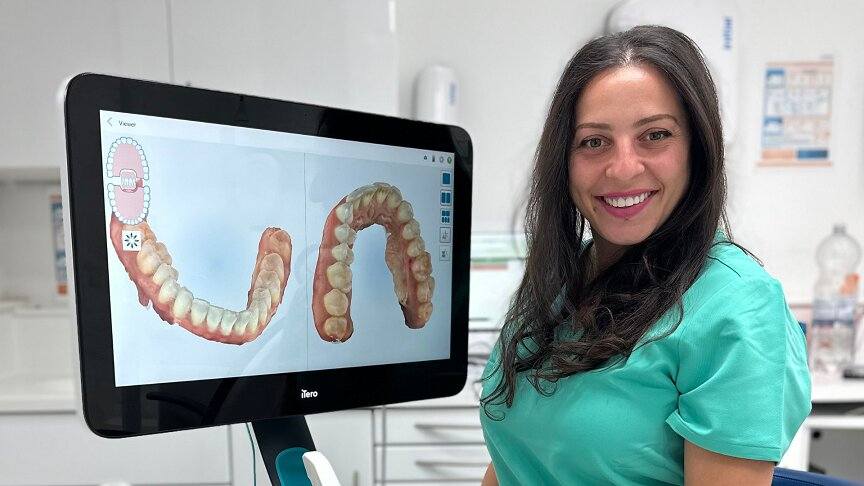
Even with proper care, repaired teeth may need maintenance. Common signs include:
- Sensitivity to hot or cold temperatures.
- Pain while biting or chewing;
- Visible cracks, chips or fractures in the repair.
- Discoloration or staining around the restoration
💡 Early detection allows your dentist to address problems before they compromise the tooth, potentially saving the natural tooth from extraction.
Maintaining Your Repaired Tooth
Daily Oral Hygiene
Brush two times in a day – use a soft bristle tooth brush. Use a fluoride toothpaste alongside. Floss daily to remove plaque and prevent decay around the repair. Consider using an antiseptic mouthwash for added protection.
Avoiding Hard Foods
Avoid biting down on ice, nuts, hard candies or pen caps. Sudden impact can cause cracks to worsen or repairs to fail.
Wearing Protective Devices
If you grind your teeth at night, wearing a night guard will protect both natural teeth and repairs. Sports mouthguards can prevent damage from physical activity.
Regular Dental Visits
Routine check-ups every six months allow your dentist to monitor the integrity of repairs. They can polish, adjust or replace restorations as needed.
Whites Dental – Repairing Cracked, Broken Teeth In London
At Whites Dental, we provide comprehensive care and treatment in London for cracked, broken and chipped teeth. Our team uses modern materials and techniques to ensure your repaired teeth last as long as possible.
Locations
- Whites Dental – Waterloo
172 Blackfriars Rd, London SE1 8ER
📞 020 8616 0590 - Whites Dental – Marble Arch (W2)
52B Kendal St, St George’s Fields, London W2 2BP
📞 020 3576 2325
💡 Our dentists offer personalised treatment plans for a broken tooth, selecting the best type of broken tooth repair based on the severity of the damage and your lifestyle. We prioritise both functionality and aesthetics, ensuring repairs look natural and last long.
Common Myths About Tooth Repairs
Repairs Are Permanent
No dental repair lasts forever. Longevity depends on material, oral care, and lifestyle habits.
Only Severe Cracks Need Treatment
Even small cracks can progress to serious damage or infection. Early intervention is key to long-term dental health.
Veneers And Crowns Are Fragile
Modern restorative materials are highly durable and can withstand everyday use when properly cared for.
Conclusion
Cracked, broken or chipped teeth can be effectively repaired with modern dental techniques. The lifespan of these repairs varies: composite bonding lasts 5–7 years, while crowns, veneers, and onlays can last 10–15 years or more. Factors such as oral hygiene, bite habits, and professional care significantly influence repair longevity. At Whites Dental, our expert team in Waterloo and Marble Arch (W2) offers personalised treatment to restore both the function and aesthetics of damaged teeth.
💡 With early intervention with broken tooth treatment, proper care and high-quality materials, your tooth repairs can remain strong and natural-looking for many years.
Author

Dr Deepa Chopra
Principal Dentist & Clinic Founder
GDC registration number: 124489
Membership of the Faculty of Dental Surgery from the Royal College of Surgeons of Edinburgh
Membership of the British Dental Association
Restorative Dentistry from Tipton
Align Invisalign profile
LinkedIn profile
Areas of Expertise: 20+ Years Dentistry Experience. General Dentistry, Cosmetic Dentistry, Restorative Dentistry, Invisalign, Composite Bonding, Veneers, Root Canals, Crowns, Dentures, Gum Disease, Hygienist Services, Emergency Dental Services & Teeth Whitening.