


Key Takeaway
- The best dentist for gum disease is a periodontist — a specialist trained in diagnosing, treating, and managing all stages of gum disease.
- General dentists can manage early gum inflammation (gingivitis), but moderate and advanced gum disease require a periodontist
- Periodontists provide advanced gum disease treatments such as deep cleaning, gum surgery, regenerative procedures, and bone grafting.
- Early diagnosis ensures better results, less invasive gum treatment and a higher chance of saving your natural teeth
💡 Whites Dental offers specialist periodontal care for gum disease at Waterloo and Marble Arch (W2) for patients across Central London who need expert gum treatment.
Introduction: Who Should Treat Gum Disease?
When people first notice bleeding gums, bad breath or gum recession, they’re often unsure which dental professional they need to see.
- Is a regular dentist enough?
- Do you need a gum specialist?
- Who handles advanced gum disease?
The truth is: the right type of dentist for gum disease depends on how severe the condition is.
Mild gum inflammation can often be handled by a general dentist or hygienist. But once gum disease becomes more advanced — when pockets form, bone is lost, or teeth start to loosen — the best dentist to treat gum disease is a periodontist.
This article breaks down exactly who treats what, when you need a specialist and why choosing the right clinician makes a huge difference for your long-term oral health.
Understanding Gum Disease Before Choosing The Right Dentist

To know which professional is best, you first need to understand the different stages of gum disease.
Gingivitis
- Early stage
- Red or bleeding gums
- Reversible
- Can be treated by a general dentist or hygienist
Periodontitis
- More advanced
- Gum pockets, bone loss
- Not reversible, but manageable
- Requires a periodontist
Advanced Periodontitis
- Loose teeth
- Significant gum recession
- High risk of tooth loss
- Must be treated by a periodontist
Because advanced gum disease affects the deeper tissues and bone around the teeth, only a periodontal specialist is qualified to treat it effectively.
General Dentist Vs Periodontist: What’s The Difference?
Many patients don’t realise there’s a big difference between what a general dentist and a periodontist can do — especially when it comes to gum disease.
General Dentist
A general dentist provides overall oral care including:
- Routine check-ups
- Fillings.
- Regular hygiene cleaning
- Preventative advice
- Early gum disease management (gingivitis)
General dentists are excellent for basic gum care, but do not have the advanced surgical training or diagnostic expertise to treat severe gum disease.
Periodontist
A periodontist is a dental specialist focused entirely on:
- Gum disease
- Bone loss
- Gum recession
- Loose teeth.
- Surgical and regenerative procedures.
They receive three additional years of specialist training after dental school specifically in diagnosing, treating, and managing periodontal disease.
💡 If gum disease is beyond the earliest stage, a periodontist is the best dentist to treat it.
Why A Periodontist Is The Best Dentist For Gum Disease
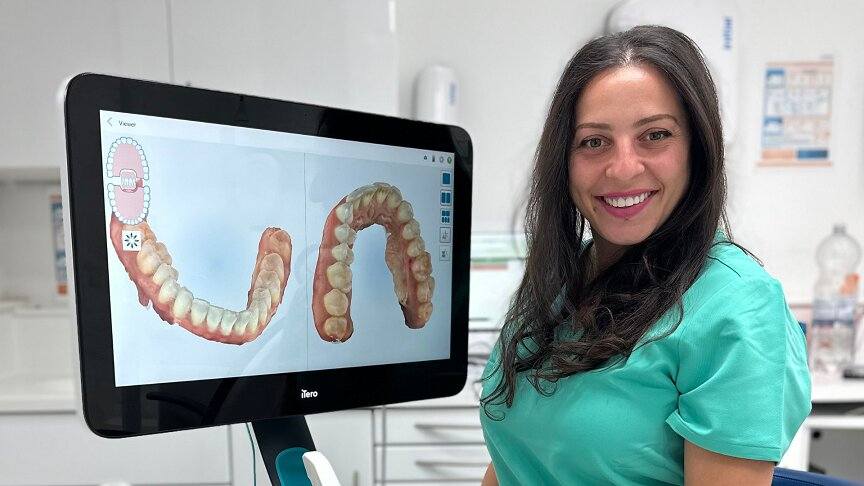
Periodontists specialise in saving teeth that might otherwise be lost to gum disease. Here’s why they are the ideal clinician for anything beyond mild inflammation.
They Have Advanced Diagnostic Tools
Periodontists use highly specialised tools such as:
- Digital probing systems
- Detailed pocket-depth charts
- 3D imaging
- Microscopic bacteria analysis.
These help them identify bone loss and infection long before symptoms become visible.
They Understand The Biology Of Gum And Bone Breakdown
Gum disease is not just a surface problem — it’s a deep infection affecting supporting structures.
Periodontists are experts in:
- Bone regeneration
- Soft tissue healing
- Immune response.
- Periodontal bacteria
This knowledge allows them to stop gum disease more predictably.
They Perform Advanced Gum And Bone Treatments
General dentists cannot legally perform most surgical periodontal procedures.
Periodontists can perform:
- Deep cleaning (scaling & root planing)
- Gum grafts
- Bone grafts
- Regenerative therapy
- Pocket reduction surgery
- Antimicrobial treatments
- Advanced periodontal maintenance
They Can Save Teeth That Would Otherwise Be Lost
Even teeth with:
- Severe bone loss
- Deep gum pockets.
- Mobility
- Recession
can often be saved through periodontal treatment.
💡 A periodontist gives your teeth the best chance of survival.
When Should You See A Periodontist For Gum Disease Treatment?
Many patients wait too long — often until their gum disease has progressed significantly. You should see a gum disease specialist or a periodontist if you experience:
- Bleeding gums
- Bad breath
- Gum recession
- Deep pockets.
- Loose teeth.
- Spaces developing between teeth
- Pain when chewing.
- Pus between the gums and teeth
- A history of gum disease
- Family history of periodontal disease
💡 If any of these sound familiar, a periodontist is the best clinician to evaluate and treat the issue.
Can Hygienists Treat Gum Disease?
Dental hygienists play an incredibly important role in gum health. They are the experts in:
- Professional cleaning
- Oral hygiene instruction.
- Flossing and interdental cleaning guidance
- Early-stage gum disease prevention
Hygienists are often the first to spot signs of gum disease, but they cannot treat advanced periodontal disease or perform surgical procedures.
💡 Hygienists work closely with both dentists and periodontists, especially after specialist treatment.
Types Of Gum Disease Treatments Performed By A Periodontist
Periodontists offer a wide range of gum treatments specifically designed to stop gum disease and protect long-term oral health.
Scaling And Root Planing (Deep Cleaning)
A thorough cleaning beneath the gumline that removes plaque, tartar and toxic bacteria.
Periodontal Maintenance
Regular cleaning every 3–4 months to prevent bacterial regrowth.
Gum Surgery
Used when gum pockets are too deep to clean with nonsurgical methods.
Bone Regeneration
A procedure to rebuild lost bone around teeth.
Gum Grafting
Repairs gum recession and protects exposed roots.
Laser Gum Disease Treatment
Can be used in some cases to remove infected tissue
Anti-Microbial Therapy
Medications or gels delivered into gum pockets to fight infection.
Crown Lengthening
Helps reshape gum tissue or prepare teeth for restorative procedures.
Treatment For Peri-Implantitis
Gum disease around dental implants.
💡 Only a periodontist can provide the full scope of these treatments safely and effectively.
Why Seeing The Right Specialist Matters For Long-Term Health
Gum disease is not just an oral problem — it is strongly linked to systemic health issues such as:
- Heart disease
- Respiratory infections
- Diabetes complications
- Cognitive decline
- Pregnancy complications
- Inflammatory conditions
💡 Treating gum disease early and thoroughly with the right dentist can help protect your overall health.
Why Patients Choose Whites Dental For Gum Disease Treatment
Whites Dental offers specialist periodontal treatment for all stages of gum disease. Our periodontal services are available at two Central London locations:
Whites Dental Waterloo
172 Blackfriars Rd, London SE1 8ER
☎️ 020 8616 0590
Whites Dental Marble Arch (W2)
52B Kendal St, St George’s Fields, London W2 2BP
☎️ 020 3576 2325
Why our patients trust us with gum disease treatment
- Specialist periodontist
- Advanced diagnostics
- Evidence-based treatment
- Supportive hygiene care
- Friendly, patient-focused team
- Easy Central London access
💡 We help patients manage gum disease at every level — from early signs to advanced cases requiring specialist intervention.
How To Know Which Dentist You Need For Gum Disease Treatment
Here’s a simple guide:
If you have mild gum bleeding →
See a general dentist or hygienist.
If your gums bleed regularly, recede or your breath smells bad →
See a periodontist.
If you have loose teeth or bone loss due to gum disease →
You must see a periodontist urgently.
If you’re unsure what type of gum disease you have →
A periodontal consultation will provide clarity.
Conclusion: What Kind Of Dentist Is Best For Gum Disease?
A general dentist can support your gum health and manage mild gingivitis, but a periodontist is the best to treat gum disease — especially periodontitis or advanced cases.
If you want predictable, long-term results and the best chance of saving your natural teeth, specialist periodontal care for periodontal disease is essential.
Related Articles
Author

Dr Deepa Chopra
Principal Dentist & Clinic Founder
GDC registration number: 124489
Membership of the Faculty of Dental Surgery from the Royal College of Surgeons of Edinburgh
Membership of the British Dental Association
Restorative Dentistry from Tipton
Align Invisalign profile
LinkedIn profile
Areas of Expertise: 20+ Years Dentistry Experience. General Dentistry, Cosmetic Dentistry, Restorative Dentistry, Invisalign, Composite Bonding, Veneers, Root Canals, Crowns, Dentures, Gum Disease, Hygienist Services, Emergency Dental Services & Teeth Whitening.