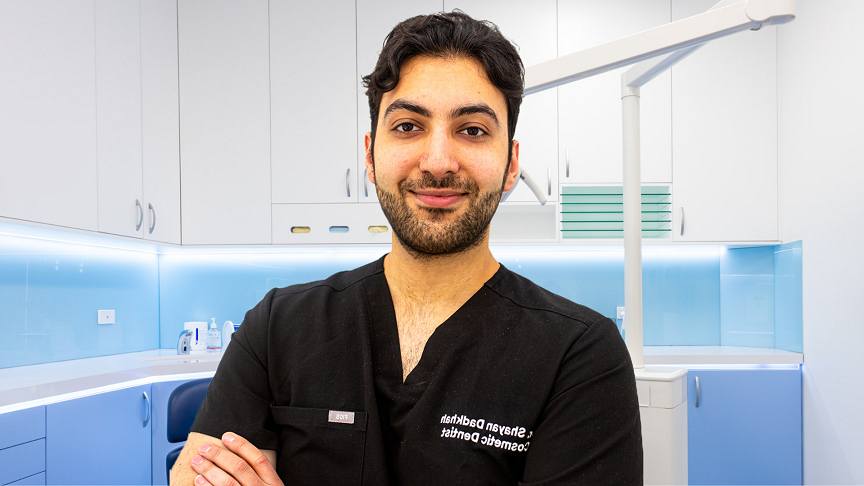


Dental crowns restore damaged teeth, protect oral health, and improve appearance. While materials and technology play a role, the experience of the dentist placing the crown has a far greater impact on how long it lasts, how comfortable it feels, and how natural it looks. Choosing an experienced provider can mean the difference between a crown that performs well for decades and one that causes repeated issues.
This article explains exactly why experience matters when getting dental crowns, how it influences every stage of treatment and what patients should consider when choosing a dentist in London.
Experience Influences Every Stage Of Crown Treatment

Tooth crowns are not a single-step procedure. They involve assessment, planning, preparation, placement, and long-term monitoring. Experience affects decisions at each stage. An experienced dentist understands how oral health, bite forces, and tooth structure interact over time. They consider how the crown will function not just today, but years into the future.
Key areas where experience matters include:
- Identifying hidden cracks or weaknesses
- Anticipating bite-related complications.
- Selecting appropriate preparation techniques.
- Planning for long-term durability
💡 A white tooth crown should be planned for longevity, not just immediate repair.
Accurate Diagnosis Prevents Crown Failure
Before recommending a crown, an experienced dentist carries out a detailed diagnosis. This ensures the tooth is suitable for restoration and reduces the risk of future problems. Accurate diagnosis involves careful evaluation rather than rushing into treatment. Subtle issues, such as micro-cracks or early gum disease, can significantly affect crown success. Experienced dentists assess:
- Tooth vitality and nerve health
- Existing restorations or hidden decay
- Gum condition around the tooth
- Occlusion and bite pressure.
💡 A crown placed on an unhealthy tooth is unlikely to last.
Tooth Preparation Requires Precision And Judgement
Preparing a tooth for a crown is a delicate balance. Too much removal weakens the tooth, while too little prevents proper seating of the crown. Experienced dentists develop a refined sense of how much structure to preserve. This judgement is built through years of hands-on clinical work rather than theory alone.
Key preparation considerations include:
- Preserving natural tooth strength
- Creating smooth, even margins
- Avoiding unnecessary trauma to gums
- Ensuring space for crown material
💡 Conservative preparation increases both comfort and lifespan.
Crown Fit Depends On Clinical Experience
A crown must fit the tooth precisely to prevent discomfort and bacterial leakage. Even minor inaccuracies can cause long-term complications. Experienced dentists know how to detect and correct subtle fit issues before final placement. This prevents future sensitivity or loosening.
Poor fit can lead to:
- Food trapping at the margins.
- Gum inflammation.
- Secondary decay beneath the crown
- Premature crown failure
💡 Precision fit protects the tooth underneath the crown.
Bite Adjustment Is Not Guesswork
Correct bite alignment is essential for crown comfort and durability. Bite errors may not be obvious immediately but can cause pain over time. Experienced dentists understand how jaw movement, chewing patterns, and tooth contact affect restorations. They adjust crowns based on function, not just appearance.
Bite-related risks include:
- Pain when chewing
- Jaw strain or headaches
- Cracks in crowns or opposing teeth
- Uneven wear patterns
💡 Bite accuracy prevents long-term discomfort.
Aesthetic Results Improve With Experience
Creating a natural-looking crown involves more than matching colour. Shape, translucency and contour all influence how realistic a crown appears. Experienced dentists work closely with dental laboratories or digital systems to ensure crowns blend seamlessly with surrounding teeth.
Aesthetic considerations include:
- Tooth shape symmetry
- Light reflection and translucency.
- Gum line appearance.
- Smile balance
💡 Natural aesthetics rely on artistic judgement as well as skill.
Material Choice Requires Clinical Understanding
Not all crown materials perform the same way in every situation. Experience helps dentists choose materials that match a patient’s needs rather than defaulting to one option.
An experienced clinician considers:
- Tooth location in the mouth.
- Bite strength and grinding habits.
- Cosmetic expectations
- Long-term wear characteristics
Material choice affects:
- Crown lifespan
- Resistance to fractures
- Appearance over time
- Comfort during chewing
💡 The right material choice prevents unnecessary replacements.
Managing Complex Crown Cases
Some crown cases involve complications that require advanced experience. These cases demand problem-solving rather than routine treatment. Examples of complex situations include:
- Teeth with root canal treatment.
- Cracked or heavily restored teeth.
- Gum recession around the tooth
- Multiple crowns placed together
Experienced dentists anticipate challenges and adapt their approach accordingly.
💡 Complex cases benefit most from experience.
Reducing The Risk Of Repeated Treatments
Crowns that fail often require repair, replacement or further procedures. Experience significantly reduces these risks. Dentists with extensive crown experience follow strict protocols that minimise complications. This leads to fewer adjustments and better long-term outcomes.
Common causes of repeat treatment for dental crowns in London include:
- Poor bonding technique
- Inadequate margin sealing.
- Incorrect bite alignment.
- Missed decay under crowns
💡 Quality placement reduces future dental costs.
Patient Comfort Improves With Experience

Experienced dentists tend to deliver smoother, more efficient appointments. They anticipate patient discomfort and adapt techniques to reduce stress. Comfort-related benefits include:
- Shorter treatment times.
- Fewer injections required.
- Less post-treatment sensitivity
- Clear explanations and reassurance
Patients often feel more confident and relaxed with experienced providers.
💡 Comfortable treatment improves overall patient experience.
Long-Term Crown Maintenance Requires Expertise
Crowns require ongoing monitoring to remain functional. Experienced dentists recognise early signs of wear or problems before they become serious. Ongoing care may involve:
- Checking bite changes
- Monitoring gum health.
- Polishing crown surfaces.
- Replacing worn cement
Long-term follow-up ensures crowns continue performing well.
💡 Maintenance extends crown lifespan.
Technology Does Not Replace Experience
Modern dental technology improves accuracy, but it does not eliminate the need for experience. Digital tools still require clinical judgement. Experienced dentists know:
- When digital scans are reliable
- When manual adjustments are necessary.
- How to interpret scan data correctly.
- When technology should not be used
Technology supports experience, not the other way around.
💡 Tools enhance skill but cannot replace it.
Ethical Decision-Making Comes With Experience
Experienced dentists are more likely to recommend tooth crowns in London only when appropriate. They understand when conservative alternatives may be better. Ethical considerations include:
- Avoiding unnecessary tooth removal.
- Offering repair instead of replacement.
- Explaining long-term consequences honestly
- Prioritising tooth preservation
Patients benefit from balanced, experience-based advice.
💡 Ethical care protects long-term oral health.
How Whites Dental Can Help With Experienced Crown Care
Whites Dental provides highly experienced dentists to patients looking for dental crowns in London. Our team focuses on accurate diagnosis, careful preparation, and long-term results rather than quick fixes. Patients benefit from:
- Detailed crown assessments.
- High-quality materials selected for individual needs.
- Precise bite and fit adjustments.
- Ongoing monitoring and support
With locations in Waterloo and Marble Arch, Whites Dental offers experienced dental crown care for patients across London.
💡 Choosing an experienced clinic improves crown success.
Final Thoughts
Experience plays a decisive role in the success of dental crowns. From diagnosis to long-term care, skilled judgement ensures crowns function comfortably, look natural, and last as long as possible.
Patients seeking dental crowns in London should prioritise experience alongside technology and materials. Doing so reduces complications, protects oral health and ensures better long-term outcomes.