


Key Takeaway
Understanding when to see a periodontist instead of a general dentist can prevent gum disease from progressing, protect your bone health, and reduce the risk of tooth loss. A periodontist is a gum specialist, trained to diagnose and treat advanced periodontal conditions that go beyond routine dental care.
Here’s what you need to know:
- Periodontists specialise in gum disease, bone loss, gum recession, and complex periodontal problems.
- You should see a periodontist if you have persistent bleeding gums, deep pockets, loose teeth, receding gums, or moderate to severe gum disease.
- They use advanced treatments such as scaling and root planing, laser therapy, regenerative procedures, and grafting that general dentists don’t typically offer.
- Early treatment by a periodontist can prevent tooth loss and reduce the need for surgery later.
💡 At Whites Dental Waterloo SE1 and Whites Dental Marble Arch W2, patients can book an appointment with periodontal specialists without a referral.
What’s The Difference Between A General Dentist And A Specialist Periodontist?
A general dentist is your primary provider for everyday oral health — check-ups, fillings, cleanings, and routine care. A periodontist, however, undergoes several years of additional specialist training focused specifically on the gums, bone and connective tissues that support your teeth.
A dentist helps maintain general oral health, while a periodontist steps in when gum health becomes compromised. Many patients continue seeing their dentist regularly while receiving specialist periodontal care at the same time — especially those with chronic or recurring gum disease.
Key distinctions you should be aware of:
- Dentists manage general oral health, hygiene, and basic gum inflammation.
- Periodontists complete 2–3 years of specialist postgraduate training in gum and bone conditions.
- Periodontists diagnose and treat advanced gum disease and periodontal infections
- They perform regenerative procedures such as bone grafting and tissue grafts.
- Dentists often refer patients to periodontists when gum issues exceed routine care.
- Periodontists use advanced technology such as lasers, microsurgical techniques, and periodontal microscopes.
When Gum Disease Goes Beyond Routine Care

Gum disease develops gradually. At first, symptoms may seem mild — slight bleeding, occasional sensitivity or mild redness. While a general dentist can help with early-stage gingivitis, progressing gum disease often requires specialist intervention.
Periodontists are equipped to treat gum disease at every stage. Their expertise is crucial when symptoms continue despite routine cleanings or when the disease begins to damage the bone around your teeth.
You should visit a periodontist in London if you notice:
- Persistent bleeding when brushing or flossing
- Red, swollen, or tender gums
- Gums pulling away from the teeth;
- Bad breath that doesn’t improve.
- Pus between teeth and gums.
- Teeth becoming loose.
- Pain when chewing
- Gum pockets larger than 4mm.
Bleeding Gums That Don’t Improve
Bleeding gums are one of the earliest signs of gum disease — but also one of the most overlooked. Many patients assume it’s normal or caused by brushing too hard. In reality, bleeding gums often signal inflammation caused by plaque bacteria underneath the gumline.
If bleeding continues for more than one or two weeks despite good oral hygiene, it’s time to see a periodontist. They can identify whether the bleeding is due to gingivitis or early periodontitis and initiate treatment before the condition worsens.
Bleeding gums that persist may indicate:
- Ongoing gum inflammation
- Worsening plaque and tartar accumulation
- Early-stage gum disease;
- Gum pockets beginning to form.
- Bacteria entering deeper tissues
Gum Recession Or Shrinking Gums
Gum recession is one of the clearest signs that gum disease may be progressing. When gums pull away from the teeth, the roots become exposed and sensitivity increases. A general dentist can diagnose recession, but a periodontist is the specialist who can treat it properly.
Periodontists offer procedures such as connective tissue grafts, pinhole gum rejuvenation and guided tissue regeneration — treatments designed to restore lost gum tissue and strengthen the foundation around your teeth.
Receding gums may be caused by:
- Periodontal disease
- Aggressive brushing.
- Genetic predisposition.
- Hormonal changes
- Smoking or vaping
- Teeth grinding
- Misaligned bite
Loose Teeth Or Shifting Teeth
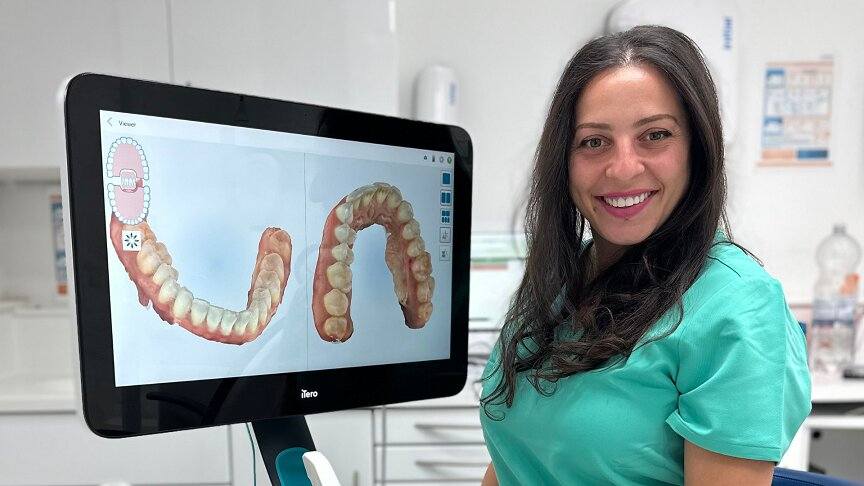
When periodontal disease progresses, it begins damaging the bone that supports your teeth. As the bone weakens, teeth can become mobile or shift out of position. A general dentist will identify loose teeth, but a periodontist is required to stop the underlying disease process. They may recommend splinting, regenerative therapies, or bone grafting to stabilise the affected area.
Loose teeth often indicate:
- Advanced periodontitis.
- Loss of bone support.
- Deep periodontal pockets
- Chronic gum infection
- Large amounts of tartar under the gums
Chronic Bad Breath (Halitosis)
Persistent bad breath is more than a social concern — it’s often a warning sign of gum infection. Bacteria release toxins that produce an unpleasant smell, and once these bacteria settle deep beneath the gums, brushing alone cannot remove them. If bad breath persists, especially alongside bleeding or tenderness, a periodontist can provide targeted deep cleaning, antibacterial treatments and diagnostics to identify the root cause.
Bad breath linked to gum disease may include:
- Bacterial buildup below the gumline
- Gum infection.
- Pus discharge.
- Deep pockets harbouring bacteria
- Chronic inflammation
Deep Gum Pockets
During gum examinations, dentists measure the depth of gum pockets — the spaces between teeth and surrounding tissue. Healthy pocket depths are usually between 1–3mm. When pockets exceed 4mm, this suggests gum disease. A periodontist uses specialised tools and imaging to assess these deeper pockets and determine whether scaling and root planing, laser therapy, or regenerative treatments are needed.
Deep pockets can lead to:
- Increased bacterial accumulation.
- Faster disease progression
- Abscesses
- Bone loss.
- Tooth mobility.
Gum Disease That Doesn’t Improve With Regular Cleanings
If you’ve had several routine dental cleanings but continue to experience bleeding, inflammation, or tenderness, it may be a sign that the disease has progressed beyond the scope of general dental hygiene. Periodontists utilise advanced techniques such as ultrasonic scaling, root planing, and antimicrobial therapy to treat gum disease more thoroughly than a standard cleaning.
Persistent gum problems may result from:
- Incomplete removal of deep tartar.
- Bacterial biofilm beneath the gumline
- Infection spreading into deeper tissues.
- Immune response issues
- Hidden gum pockets
Moderate To Severe Periodontitis
While dentists can manage mild gum disease, moderate and severe periodontitis must be treated by a specialist. At this stage, gum disease causes irreversible tissue damage unless managed promptly. Periodontists specialise in diagnosing the level of gum attachment loss, bone destruction and pocket depth, and can customise treatment accordingly.
Signs of moderate to severe periodontitis:
- Bone loss visible on X-rays
- Pockets deeper than 5mm
- Receding gumline.
- Loosening teeth.
- Gum abscesses
- Severe bleeding
Requirements For Surgical Or Regenerative Treatment
When gum disease progresses to the point where gum tissue or bone has been lost, surgical intervention may be needed. A periodontist is the only specialist trained to perform these procedures safely and effectively. Their expertise includes surgical flap procedures, bone regeneration, tissue grafts, and pocket reduction surgeries — treatments that restore the foundation supporting your teeth.
A periodontist may recommend surgery when:
- Gum pockets exceed 6mm.
- Deep tartar cannot be removed non-surgically.
- Bone grafting is needed
- Gum grafting is required
- Regenerative treatment is possible
How Periodontists Treat Gum Disease
Periodontists use a combination of non-surgical and surgical treatments to manage gum disease based on severity. Here’s what treatment may involve:
- Scaling and root planing to remove deep plaque
- Laser therapy to reduced infected tissue.
- Antibiotic therapy for bacterial control.
- Bone grafting to rebuild lost bone.
- Soft tissue grafting to repair receding gums
- Regenerative therapy to stimulate natural healing
- Maintenance cleanings every 3–4 months
The Role Of Periodontal Maintenance
Periodontal disease is chronic, which means it requires ongoing management. After the initial treatment phase, regular periodontal maintenance visits are essential. These appointments differ from standard dental cleanings and are designed to keep bacteria under control and prevent recurrence.
Maintenance typically includes:
- Review of gum pocket measurements
- Professional deep cleaning.
- Removal of biofilm and tartar
- Monitoring of bone levels
- Oral hygiene support
When You Should See A Periodontist Immediately
Certain symptoms should never be ignored because they can signal rapidly progressing gum disease. Early treatment often prevents the need for surgery, while late treatment can mean bone loss and tooth extraction.
See a periodontist urgently if you experience:
- Loose or shifting teeth.
- Gum abscess or pus.
- Severe gum recession.
- Sudden increase in tooth sensitivity
- Pain when chewing
- A bad taste in the mouth that doesn’t go away
- Rapidly worsening swelling
Periodontal Treatment At Whites Dental (London)
At Whites Dental Waterloo SE1 and Whites Dental Marble Arch W2, patients have direct access to periodontists without needing a referral. Our clinics provide specialist periodontal treatments designed to stop disease progression, rebuild gum health and protect natural teeth long-term.
Why London patients for periodontal treatment choose Whites Dental:
- Access to experienced periodontists
- Advanced technology including laser therapy.
- Comprehensive periodontal maintenance.
- Gentle, patient-focused gum care.
- Convenient Central London locations
- Fast appointments compared to NHS waiting times
Final Thoughts
If you’re experiencing bleeding gums, gum recession, persistent bad breath, loose teeth or deep pockets, it may be time to see a periodontist rather than relying solely on routine dental visits. Early intervention can mean the difference between saving and losing teeth.
💡 At Whites Dental Waterloo SE1 and Whites Dental Marble Arch W2, our periodontists specialise in diagnosing and treating gum disease at every stage, offering comfortable, modern and effective care tailored to your needs.