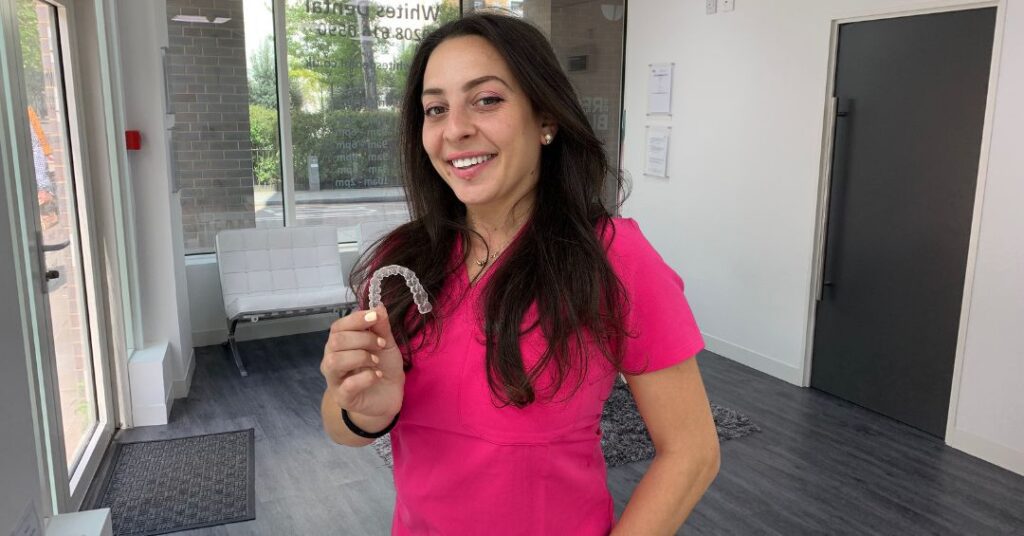


Orthodontic treatment is a significant investment of both time and money, so it’s natural to want confidence that you’re making the right decision.
Most patients are happy to proceed with the treatment plan recommended by their orthodontist. However, there are situations where seeking a second opinion can provide reassurance or help you better understand the options available.
Getting another opinion does not mean your current orthodontist has made a mistake. It simply allows another specialist to assess your teeth, bite and treatment goals before you commit to treatment or continue with your existing plan.
This guide explains when a second orthodontic opinion may be worthwhile, what happens during the consultation and how it can help you make an informed decision.
Quick Answer: You may benefit from a second opinion if you’re unsure about a diagnosis, have been offered complex orthodontic treatment, want to compare different treatment options or have concerns about your current treatment progress. A second opinion allows another orthodontist to assess your teeth and explain whether alternative approaches may be suitable.
🔑 Key Takeaways
- Seeking a second opinion is a normal part of healthcare.
- A second opinion can provide reassurance or present alternative treatment options.
- Different orthodontists may recommend different, equally appropriate treatment plans.
- Additional records or scans may sometimes be required.
- The decision about whether to proceed always remains yours.

🧭 Jump to:
When Should You Get A Second Opinion From An Orthodontist?
There is no single rule that says you should or should not seek another opinion.
Many patients simply want greater confidence before committing to treatment that may last many months or even several years.
A second opinion can be particularly valuable when:
- You have been offered more than one possible treatment option.
- Your case is complex.
- You are unsure whether braces or clear aligners are more appropriate.
- You would like reassurance before beginning treatment.
- You have concerns about your current treatment progress.
Seeking another opinion is a sensible way to gather more information before making an important decision.
Why Do Patients Ask For A Second Opinion?
Every patient has different priorities.
Some want reassurance that the proposed treatment is appropriate, while others want to understand whether there are alternative approaches available.
Common reasons include:
- Different treatment recommendations.
- Advice that teeth may need to be removed.
- Discussions about jaw surgery.
- Choosing between Invisalign and fixed braces.
- Questions about treatment costs.
- Concerns about how long treatment may take.
- Feeling that treatment is not progressing as expected.
None of these automatically means something is wrong. They simply reflect situations where additional information may be helpful.
What Happens During A Second Opinion?
A second opinion usually begins with a consultation similar to an initial orthodontic assessment.
Your orthodontist may:
- Discuss your concerns and treatment goals.
- Examine your teeth and bite.
- Review any previous records or scans.
- Take additional photographs or digital scans if required.
- Explain whether they agree with the proposed treatment or recommend an alternative approach.
The appointment is an opportunity to ask questions and better understand your options rather than feeling pressured to make an immediate decision.
Will You Need New Records?
Not always.
If recent records are available, your orthodontist may be able to review them.
However, depending on your situation, they may recommend:
- New digital scans.
- Updated photographs.
- Fresh X-rays where clinically appropriate.
- A new orthodontic assessment.
This helps ensure any advice is based on your current dental condition.
Can A Second Opinion Change Your Treatment Plan?
Sometimes.
Different orthodontists may recommend different approaches while still aiming for an excellent result.
For example, one orthodontist may suggest:
- Metal braces.
- Ceramic braces.
- Invisalign.
- A different treatment sequence.
- A different approach to managing crowding.
More than one treatment plan may be clinically appropriate depending on your priorities, lifestyle and treatment goals.
Does A Second Opinion Mean Your Orthodontist Was Wrong?
No.
Orthodontics is similar to many areas of healthcare where more than one suitable treatment approach may exist.
One orthodontist may prioritise the shortest treatment time, while another may focus on avoiding extractions or using a different appliance.
A second opinion should therefore be viewed as additional professional advice rather than a search for someone who is “right” or “wrong.”
What Questions Should You Ask During A Second Opinion?
Preparing a few questions before your consultation can help you compare your options more confidently.
You may wish to ask:
- Why do you recommend this treatment?
- Are there alternative treatment options?
- Will extractions be necessary?
- How long is treatment likely to take?
- What are the advantages and limitations of each option?
- How will retainers be managed after treatment?
Clear answers can make it much easier to decide how you wish to proceed.
What If You Decide To Change Orthodontists?
After receiving a second opinion, some patients decide to continue with their original orthodontist, while others choose to transfer their treatment.
If you are considering changing providers, our guide on transferring orthodontic treatment to another orthodontist explains how the process usually works.
Should You Feel Comfortable Asking For A Second Opinion?
Absolutely.
Seeking a second opinion is a normal part of making informed healthcare decisions.
Most healthcare professionals understand that patients want to feel confident before beginning treatment, particularly when orthodontic care represents a significant commitment of time and money.
The aim is not to challenge your orthodontist but to ensure you feel comfortable with your decision.
FAQs: Second Opinions From An Orthodontist
Many patients wonder whether asking another orthodontist for advice is appropriate. These are some of the questions people ask most often.
When Should I Get A Second Opinion From An Orthodontist?
A second opinion may be worthwhile if you are unsure about your diagnosis, treatment options or proposed treatment plan.
Is It Rude To Ask For A Second Opinion?
No. Seeking another professional opinion is a normal part of healthcare and helps many patients make informed decisions.
Can Two Orthodontists Recommend Different Treatments?
Yes. Different orthodontists may recommend different but equally appropriate treatment approaches.
Will I Need Another Consultation?
Usually, yes. The orthodontist will normally carry out their own assessment before providing advice.
Can I Get A Second Opinion During Orthodontic Treatment?
Yes. Patients can seek another opinion even after treatment has started.
Can I Change Orthodontists Afterwards?
Yes. If appropriate, orthodontic treatment can often be transferred following a clinical assessment.
Looking For An Orthodontist In London?
If you’re considering orthodontic treatment and would like reassurance before making a decision, a second opinion can help you better understand your options and feel confident about the path you choose.
At Whites Dental, patients can receive an independent assessment from an experienced orthodontist in London, with clear explanations of treatment options, likely timescales and expected outcomes.
- ✅ Independent orthodontic assessments
- ✅ Fixed braces and Invisalign options
- ✅ Personalised treatment recommendations
- ✅ Central London clinic locations
Author

Dr Deepa Chopra
Principal Dentist & Clinic Founder
GDC registration number: 124489
Membership of the Faculty of Dental Surgery from the Royal College of Surgeons of Edinburgh
Membership of the British Dental Association
Restorative Dentistry from Tipton
Align Invisalign profile
LinkedIn profile
Areas of Expertise: 20+ Years Dentistry Experience. General Dentistry, Cosmetic Dentistry, Restorative Dentistry, Invisalign, Composite Bonding, Veneers, Root Canals, Crowns, Dentures, Gum Disease, Hygienist Services, Emergency Dental Services & Teeth Whitening.