

Veneers are one of the most effective cosmetic dentistry solutions for creating a brighter, straighter, and more symmetrical smile. Whether made from porcelain, composite resin or ultra-thin materials, veneers are designed to be strong and durable. With proper care, most veneers last many years while maintaining their aesthetic appeal. However, even with excellent materials and skilled placement, veneers can occasionally chip, crack, or break.
When this happens, patients often feel worried—especially if their veneer is visible when they smile. The tooth may feel sensitive, the smile may look uneven, and many people fear that the damage is irreversible. The good news is that chipped or broken veneers can almost always be repaired or replaced. Understanding what causes veneer damage, what steps to take, and how dentists fix the issue will help you handle the situation calmly and confidently.
This guide explains exactly what happens when a veneer chips or breaks, what to do next, the difference between repair and replacement, how the process varies depending on veneer type and what steps you can take to protect your dental veneers long-term. It also provides expert insights to help you avoid future damage and maintain a beautifully restored smile for years.
Key Takeaway
A chipped or broken veneer can usually be repaired or replaced, but the next step depends on the severity of the damage and the veneer type.
- Minor chips can often be smoothed, reshaped, or repaired with bonding.
- Porcelain veneers with deeper cracks usually require full replacement.
- Composite veneers are more repairable but may need polishing or recontouring.
- Quick action prevents further damage or sensitivity
- A dentist assessment determines the most suitable solution.
💡 Visit our veneer clinics in Central London to fix or replace any broken veneers.
Why Veneers Chip Or Break
Veneers are crafted from durable materials, but they are still vulnerable to certain types of force and long-term wear. Understanding why veneers chip or break helps patients prevent similar issues in the future and keep their smile looking its best over time.
Veneers can be damaged by sudden trauma, repeated biting pressure, grinding habits, dental issues underneath the veneer, or structural weaknesses that develop as veneers age. Even though they are strong, veneers are thin—usually less than 1mm—so certain forces can cause chips or cracks.
- Biting down on something unexpectedly hard, such as a bone or nutshell.
- Impact injuries from sports, accidents or falls
- Teeth grinding or clenching that stresses the veneer surface.
- Using teeth as tools, such as opening packaging.
- Wear and tear that would have accumulated for years and years
What To Do Immediately When A Veneer Breaks Or Chips

A chipped or broken veneer can feel alarming, but taking the right steps immediately will prevent further complications. The most important thing is to avoid panic—most veneer issues can be fixed quickly and effectively.
Handling the situation properly helps protect both the veneer and the underlying tooth. The exposed tooth surface may feel rough or sensitive if the veneer has cracked or come off, so taking precautions is essential until you can see your dentist.
- Retrieve any broken veneer pieces and store them safely.
- Avoid chewing on the affected side until your appointment.
- Call your dentist as soon as possible to schedule a repair.
- Avoid home repair attempts, glues, or temporary adhesives.
- If the veneer has detached completely, keep it dry and bring it to the appointment;
Can A Broken Veneer Be Repaired?
Whether a veneer can be repaired depends on the material used and the extent of the damage. Some veneers can be polished or filled, while others must be replaced. Repairing the veneer ensures a natural appearance, continued protection, and restored function.
Minor damage is usually easy to address, especially with composite veneers. More significant fractures, particularly in porcelain, often require a full replacement to maintain aesthetics and durability. The dentist will assess whether a repair is feasible based on the condition of the veneer and the health of the underlying tooth.
- Small edge chips may be polished smooth.
- Minor surface cracks can sometimes be bonded.
- Composite veneers can be rebuilt with resin materials.
- Porcelain veneers with structural cracks usually need replacing.
- Damage near the gum line may require rebonding or reshaping
When A Veneer Needs Replacement
In certain situations, repair is not practical or possible, and replacement becomes the best option. Veneers that are significantly cracked, split in half or completely broken cannot be restored to their original strength or aesthetic quality through simple repair techniques.
Replacement ensures that the new veneer fits correctly, blends seamlessly with surrounding teeth, and maintains long-term durability. Dentists aim to replicate the size, shade and shape of the original veneer to maintain a natural, balanced appearance.
- Large cracks that compromise veneer structure.
- Veneers that have broken off entirely
- Damage caused by trauma affecting tooth structure
- Veneers with deep internal fractures.
- Older veneers that show wear, discolouration, or weakened bonding.
Repairing Or Replacing Porcelain Veneers
Porcelain veneers are known for their superior strength, stain resistance and natural translucency. However, their ceramic structure makes them difficult to repair seamlessly when significant damage occurs. Dentists assess porcelain veneers carefully to determine the most stable solution.
Porcelain veneers can sometimes be polished if the damage is minor, but deeper cracks typically require full replacement. Because porcelain is fired in layers for maximum aesthetics, repairs rarely match the surrounding material perfectly. Replacement provides the best aesthetic and functional result.
- Small chips may be gently smoothed during a dental appointment.
- Minor surface flaws might be treated with bonding if appropriate
- Full replacement is usually recommended for deeper cracks.
- Replacement involves removing the old veneer and placing a new one.
- Well-maintained porcelain veneers typically last 10–15 years.
Repairing Or Replacing Composite Veneers
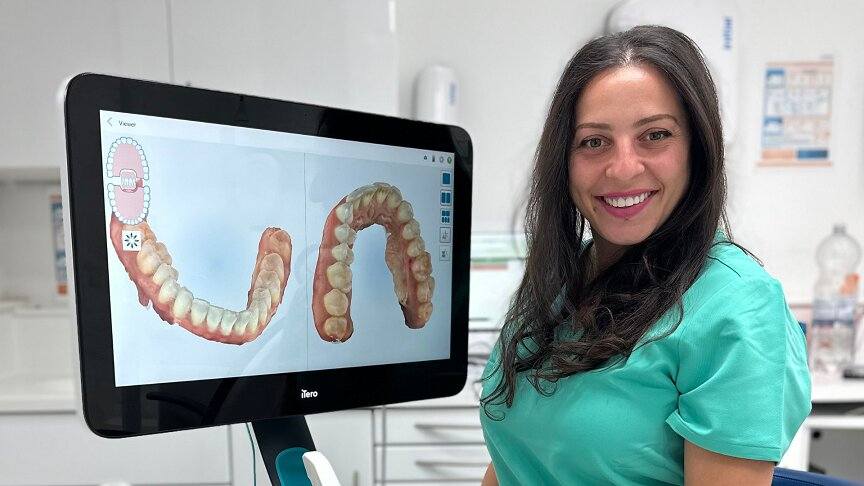
Composite veneers differ from porcelain because they are made from resin material, which is more flexible and repairable. This makes composite veneers appealing to patients who want a more adaptable or budget-friendly solution.
Composite veneers can often be rebuilt directly in the chair using matching resin shades. The dentist smooths and shapes the restored veneer and polishes it to achieve a natural shine. These repairs are usually quick and cost-effective but may require ongoing maintenance due to resin’s susceptibility to staining or micro-wear.
- Composite chips can be filled and reshaped in a single visit.
- Polishing restores shine and improves colour uniformity.
- Repairs blend well but may eventually need refreshing
- Replacement is recommended for large fractures or wear.
- Composite veneers typically last 5–7 years depending on care.
What To Expect If A Veneer Completely Falls Off
A teeth veneer falling off entirely is rare but can happen if the bonding weakens or the tooth underneath changes shape due to decay, erosion, or trauma. When a veneer detaches completely, the tooth may feel rough, sensitive or exposed.
The dentist first evaluates the veneer to see whether rebonding is possible. If the veneer is intact, perfectly shaped, and free of cracks, it may be reattached. If not, a new veneer will be fabricated. The dentist will also diagnose why the veneer detached and address any underlying concerns.
- The veneer may be rebonded if it’s still in good condition.
- New bonding ensures proper adhesion and alignment.
- Replacement may be necessary for warped or damaged veneers
- Tooth decay or gum issues must be treated before rebonding.
- The dentist ensures colour match for the repaired smile
Can You Still Eat Normally With A Chipped Or Broken Veneer?
It is best to avoid chewing on the damaged side until your dentist assesses the issue. Veneer damage may leave the underlying tooth vulnerable or sensitive, and biting pressure could worsen chips or cracks. Eating carefully helps prevent further complications.
Soft foods are usually safe, but anything that requires biting force should be avoided until the veneer is repaired or replaced. Protecting the tooth helps maintain comfort and prevents new weaknesses from developing.
- Avoid biting on the affected side entirely.
- Choose soft foods until your appointment.
- Do not chew gum or hard sweets.
- Avoid hot or cold extremes if sensitivity is present.
- Resume normal eating only after dental repair is completed
Preventing Veneer Damage In The Future
After a repair or replacement, patients often want to know how to avoid damaging their veneers again. While veneers are strong, thoughtful habits greatly improve their longevity. Preventive steps help maintain aesthetics, comfort, and overall veneer structure.
Good oral hygiene, bite awareness and avoiding risky behaviours provide long-term protection. Patients should also report early signs of wear, looseness, or bite discomfort to their dentist to prevent small problems from escalating.
- Avoid biting on hard objects like ice or pens;
- Wear a mouth guard at night if you are known to grind teeth
- Maintain regular check-ups to monitor veneer condition.
- Brush twice daily with a soft-bristled toothbrush.
- Avoid using teeth to open packages or cut items.
Do Different Types Of Veneers Break Differently?
Different veneer materials have unique characteristics, meaning they break or chip in different ways. Understanding how each type behaves helps predict treatment options when damage occurs.
Porcelain veneers are more resistant to chips but more challenging to repair. Composite veneers chip more easily but are far easier to fix. Minimal-prep and no-prep veneers are thinner, making edge chips more common. Lumineers, being ultra-thin, offer excellent aesthetics but may require extra care to avoid edge fractures.
- Porcelain veneers resist stains and are durable but difficult to repair.
- Composite veneers repair easily but wear faster.
- Minimal-prep veneers may chip at the edges due to thinness.
- Lumineers require careful bite management to avoid stress cracks
- Veneer type influences repair method and long-term outcome
How Dentists Repair Minor Veneer Damage
Minor damage can often be repaired without replacing the veneer entirely. Dentists use several techniques depending on the severity of the flaw and the veneer material. Repairs help restore aesthetics while maintaining structural stability.
Polishing, bonding and reshaping are common repair options. These methods improve the veneer’s appearance and provide a natural, smooth finish that blends with neighbouring teeth.
- Polishing removes small edge chips and surface roughness
- Bonding fills small defects with tooth-coloured resin
- Reshaping evens out edges for symmetry.
- Repairs can usually be completed quickly.
- Repair suitability depends on veneer type and damage extent
How Dentists Replace A Broken Veneer
When replacement is the best option, the process is straightforward and highly predictable. Dentists remove the damaged veneer, prepare the underlying tooth if necessary, and take impressions or digital scans to create the new veneer. The replacement is custom-designed to match colour, shape, size and symmetry.
The new veneer is bonded securely to the tooth, restoring both function and appearance. Dentists ensure that the bite is balanced to reduce future risk of damage.
- Old veneer is carefully removed with minimal tooth alteration.
- A new veneer is custom-made in a dental laboratory.
- The replacement matches neighbouring teeth precisely.
- Bonding secures the veneer for long-term stability.
- Bite adjustments help prevent future issues;
When To Call Your Dentist
Any veneer damage should be evaluated promptly, even if it seems minor. Early treatment prevents small issues from becoming complex problems. A quick dental visit ensures your veneer and tooth remain protected and comfortable.
Contact your dentist if you notice any damage, sensitivity or movement in your veneer. Early detection leads to easier repairs and better long-term outcomes.
- Contact your dentist immediately after noticing damage;
- Seek urgent care for severe cracks or detachment.
- Report unusual sensitivity or bite changes.
- Schedule routine check-ups to monitor veneer health.
- Address concerns early for the best results.
Why Choose Whites Dental For Veneer Repair Or Replacement In London
Whites Dental provides expert veneer dentists and advanced high quality veneers treatments designed for natural, long-lasting results. With two convenient London locations, the practice offers rapid appointments for veneer emergencies. Patients benefit from experienced clinicians, state-of-the-art veneer techniques and a personalised approach to smile restoration.
- Expert cosmetic dentists skilled in veneer repair and replacement.
- High-quality porcelain and composite materials for natural results
- Advanced digital scanning for precise fit and shade matching.
- Flexible appointments, including emergency assessments.
Two central London clinics:
Whites Dental Waterloo
172 Blackfriars Rd, London SE1 8ER
020 8616 0590
Whites Dental Marble Arch (W2)
52B Kendal St, St George’s Fields, London W2 2BP
020 3576 2325
Conclusion: Managing Veneer Damage Confidently
A chipped or broken veneer can be frustrating, but modern cosmetic dentistry offers reliable solutions for restoring your smile quickly. Most veneer damage can be repaired or replaced with excellent aesthetic outcomes. By acting promptly, avoiding harmful habits, and maintaining regular dental check-ups, patients can enjoy long-lasting and beautifully enhanced smiles.
- Many damaged veneers can be repaired without replacement
- Porcelain veneers may require replacement for deeper cracks.
- Composite veneers offer repairable flexibility.
- Proper care extends veneer lifespan significantly
- A qualified cosmetic dentist ensures a seamless, natural result.
Author

Dr Deepa Chopra
Principal Dentist & Clinic Founder
GDC registration number: 124489
Membership of the Faculty of Dental Surgery from the Royal College of Surgeons of Edinburgh
Membership of the British Dental Association
Restorative Dentistry from Tipton
Align Invisalign profile
LinkedIn profile
Areas of Expertise: 20+ Years Dentistry Experience. General Dentistry, Cosmetic Dentistry, Restorative Dentistry, Invisalign, Composite Bonding, Veneers, Root Canals, Crowns, Dentures, Gum Disease, Hygienist Services, Emergency Dental Services & Teeth Whitening.