


Introduction To Signs You May Need A Root Canal
Root canal treatment is one of the most effective ways to save a tooth that has become infected or severely damaged. But many people don’t realise they need a root canal until the infection has already progressed, causing significant pain or leading to complications that could have been prevented with early care. Knowing the early warning signs allows you to act sooner, avoid unnecessary discomfort, and protect your natural tooth. The challenge? Root canal symptoms can sometimes be subtle — or mimic other dental issues — so it’s not always easy to know when to seek help.
Ignoring tooth pain, sensitivity or swelling can put your oral health at serious risk. A root canal becomes necessary when the pulp — the soft, nerve-filled centre of the tooth — becomes infected or inflamed. When this happens, the infection can’t heal on its own. Without treatment, it can spread deep into the bone, cause abscesses, or lead to tooth loss.
The good news? Root canal treatment is a routine, highly successful and virtually painless procedure that can save the tooth and eliminate discomfort.
But recognising the symptoms early is crucial. Many people delay dental care because they think the discomfort will “go away,” but pulp infections only worsen over time. This guide will help you quickly recognise the top signs you may need a root canal, what each symptom means, and how a dentist can diagnose the problem accurately.
💡 Visit our two root canal clinics in Central London – we are surprisingly affordable.
Key Takeaways
- A root canal is needed when the pulp inside the tooth becomes infected or inflamed, usually due to decay, cracks, trauma, or deep fillings.
- The most common symptoms include persistent toothache, sensitivity to hot and cold, pressure pain, swelling, gum pimples, discolouration, and bad taste or odour.
- Symptoms can start subtly — sometimes with mild sensitivity or occasional pain — and gradually worsen as the infection spreads.
- Early diagnosis can prevent complications such as abscesses, facial swelling, bone infection, or tooth loss.
- Modern root canal treatment is comfortable, safe and over 90–95% successful, especially when performed promptly.
- If you notice any symptoms listed in this article, you should see a dentist as soon as possible — early intervention protects your oral health and preserves your natural tooth.
What Exactly Is A Root Canal And Why Is It Needed?
A root canal is a dental procedure that removes the infected or inflamed pulp from inside a tooth. The pulp contains nerves and blood vessels that keep a tooth alive, but once bacteria reach this area, inflammation and infection occur — causing pain, swelling or even an abscess. The goal of a root canal is to:
- Remove infection.
- Prevent bacteria from spreading further.
- Save the natural tooth
- Restore normal appearance and function
💡 Once the pulp becomes infected, it cannot heal on its own. The infection must be treated professionally, and a root canal is the only alternative to extraction.
The Most Common Signs You Might Need A Root Canal

Below is a detailed breakdown of the key symptoms you should never ignore. If you’re experiencing even one of these, it may be time to see a dentist.
Persistent Toothache That Doesn’t Go Away
A constant or recurring toothache is one of the biggest red flags. While occasional, mild discomfort may come from something superficial, persistent pain often indicates a deeper issue — usually affecting the pulp.
Types of pain that may indicate a root canal is needed:
- A throbbing or pulsing sensation
- Pain triggered by chewing or biting
- Pain that wakes you up at night
- Sudden sharp pains that come and go
- A dull ache that gradually worsens
💡 Pain does not have to be severe to be serious. Even mild ongoing discomfort may signal early infection.
Sensitivity To Hot Or Cold That Lingers
Almost everyone experiences some sensitivity at times, but lingering sensitivity — pain that lasts more than a few seconds after eating or drinking — suggests damage to the pulp.
What this type of sensitivity tells us:
- The nerves inside the tooth may be inflamed;
- The protective enamel or dentine could be compromised
- Infection may be starting to spread toward the nerve
💡 Hot sensitivity is especially concerning, as it is often associated with nerve damage.
Pain When Biting Or Chewing
If pressure on your tooth causes pain, this is a sign of infection or that the supporting tissues around the tooth are becoming affected.
Causes include:
- Inflamed pulp pushing against the walls of the tooth
- A crack that extends into the pulp
- An abscess forming at the root.
- Infection spreading to the bone
💡 Many patients describe this as a “bruise-like” sensation or sharp jolt when applying pressure.
Swollen Or Tender Gums Around The Tooth
Swelling is one of the clearest signs that infection is present. You may notice:
- Tenderness around the gumline
- Puffy or inflamed tissue
- Localised swelling around one tooth
- Swelling that comes and goes;
💡 Gum swelling often reflects what is happening inside the tooth — as infection builds, it can travel into the surrounding tissues.
A Small Pimple Or Bump On The Gum (Dental Abscess)
This is a classic sign of root canal infection. A gum boil or “pimple” is a drainage point for a dental abscess, where pus escapes from the bone around the tooth.
Symptoms include:
- A small white, yellow, or red bump
- Bad taste or smell in the mouth
- Occasional discharge from the bump
- Swelling or tenderness nearby
💡 An abscess is a sign that the infection has spread beyond the tooth — and requires urgent treatment.
Darkening Or Discolouration Of The Tooth
When a tooth’s nerve dies, the tooth may change colour. This often appears as:
- A greyish tint
- Brown or black discolouration
- A dull, darker shade compared to neighbouring teeth
💡 This occurs because the internal tissues are breaking down — a strong indicator that a root canal may be needed.
A Constant Bad Taste Or Persistent Bad Breath
If bacteria from a pulp infection spread, you may experience a bad taste that doesn’t go away, no matter how much you brush. Persistent bad breath can also occur. The cause is typically:
- Pus from an abscess
- Bacterial activity inside the tooth
- Tissue breakdown in the pulp chamber
💡 Even without visible swelling, this is a sign of infection that should be evaluated.
Cracked, Chipped Or Traumatic Tooth Injury
Any tooth that has cracked or experienced trauma — even years ago — is more vulnerable to pulp damage. You may not notice symptoms immediately. Instead, the pulp may slowly die over time. Signs of trouble typically include:
- Increased sensitivity
- Pain when chewing
- Darkening of the tooth
- Swelling
💡 If you had an injury and are now experiencing symptoms, the pulp may be compromised.
Deep Decay Or Large Fillings
When decay reaches too close to the pulp, bacteria can infiltrate the nerve chamber. Even if the tooth has been previously restored with a large filling, the internal tissues may still become irritated or infected. Signs that decay has reached the pulp include:
- Sharp pain.
- Sensitivity
- Discomfort when chewing
- Swelling
- Recurrent decay under old fillings
💡 A dentist can determine whether the pulp is still healthy or requires treatment.
Why You Should Never Ignore These Symptoms
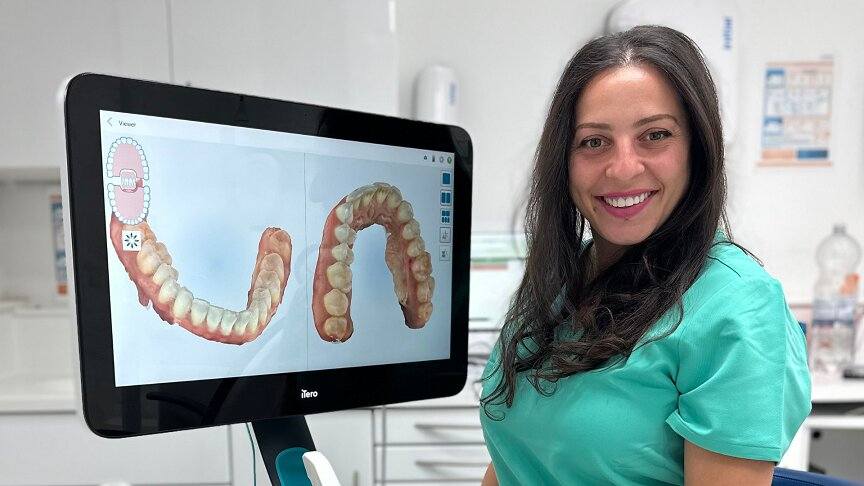
Pulp infections do not resolve on their own. Delaying treatment can lead to:
- Severe pain.
- Bone infection.
- Facial swelling
- A larger abscess
- Tooth loss
- Spread of infection to other areas.
Early treatment = easier treatment + higher success rates.
💡 Root canal success rates are over 90–95%, especially when performed early. Waiting too long may reduce the chances of saving the tooth.
How A Dentist Confirms Whether You Need A Root Canal
While symptoms provide clues, only a dentist can confirm a root canal treatment requirement using:
Clinical examination
Checking for swelling, tenderness, cracks, or visible decay.
Digital x-rays
To detect infection at the root or bone changes.
Pulp vitality tests
To check whether the nerve is alive, inflamed, or dead.
Bite and pressure tests
To identify cracks or pressure sensitivity patterns.
💡 At Whites Dental Waterloo (SE1) and Whites Dental Marble Arch (W2), advanced digital imaging and modern diagnostic tools ensure accurate and early detection — making treatment easier and more predictable.
What To Expect During A Root Canal If You Need One
Modern root canal treatment in London is quick, comfortable and nothing like the outdated reputation it once had.
Here’s what happens:
- Local anaesthetic to numb the tooth
- A small access opening in the tooth
- Removal of infected pulp
- Cleaning and disinfecting of canals
- Filling and sealing with a biocompatible material
- Placement of a crown or filling to restore strength
💡 Most treatments take 60–90 minutes, and patients can return to normal activities the same day.
How To Prevent Needing A Root Canal
While not all causes can be prevented, you can reduce your risk by:
- Maintaining excellent brushing and flossing.
- Treating decay early.
- Wearing a mouthguard during sports
- Avoiding biting hard foods like ice or popcorn kernels
- Attending regular dental check-ups
💡 Early detection is always the safest and most cost-effective approach.
Root Canal Treatment At Whites Dental In London
Whites Dental provides gentle, modern and effective root canal treatment with our root canal specialist at both:
Whites Dental Waterloo (SE1)
172 Blackfriars Road, London SE1 8ER
Whites Dental Marble Arch (W2)
52B Kendal Street, St George’s Fields, London W2 2BP
Our experienced dentists and endodontists use the latest techniques to ensure high success rates, maximum comfort, and long-term results. Patients choose us because we offer:
- Precision digital imaging
- Gentle anaesthesia techniques;
- Modern rotary endodontics
- Same-day emergency appointments
- A calm, patient-centred environment
💡 If you are experiencing any symptoms described in this article, an assessment can help determine whether a root canal is needed — and help you avoid complications.
Final Thoughts
Root canal symptoms shouldn’t be ignored. Whether it’s sensitivity, pain, swelling, or tooth discolouration, these signs often mean the pulp is inflamed or infected — and early treatment is essential to save your natural tooth. A root canal is a safe, comfortable and highly successful procedure that can relieve your pain and restore your smile. If you’re noticing any signs that you might need a root canal, the best step is to book a root canal appointment at our clinics in London as soon as possible.
💡 Whites Dental in Waterloo (SE1) and Marble Arch (W2) is here to help you with expert diagnosis, gentle care and long-lasting results.