


A root canal infection is one of the most common and serious dental issues patients face. It occurs when bacteria invade the soft tissue inside a tooth, known as the pulp, which contains nerves and blood vessels. If left untreated, it can cause severe pain, abscesses, and even lead to the loss of the tooth or more serious health complications. Many patients delay seeking treatment because they underestimate the severity of the problem, but early intervention is critical to prevent long-term damage.
Root canal infections can affect anyone, regardless of age, although certain habits and dental conditions increase the risk. Factors like poor oral hygiene, deep cavities, trauma to the teeth, repeated dental procedures and advanced gum disease all contribute to the development of infections. Recognizing the warning signs, understanding the causes and knowing the treatment options can save your teeth and your health.
Key Takeaway
- Root canal infections occur when bacteria penetrate the pulp of a tooth.
- Early symptoms include persistent toothache, sensitivity to temperature, swelling, and a bad taste in the mouth.
- Delaying treatment can lead to abscesses, bone loss, systemic infection and tooth loss.
- Treatments include root canal therapy, retreatment and in severe cases, extraction.
- Proper oral hygiene, avoiding sugary foods and regular dental check-ups help prevent infections.
💡 Visit Whites Dental for root canal treatment our London clinics. Book an appointment.
What Is A Root Canal Infection?
A root canal infection is an inflammatory condition of the dental pulp caused by bacterial invasion. The pulp is essential for the growth and development of the tooth during its formation, but once fully matured, a tooth can survive without it. This is why removing infected pulp through root canal therapy is effective and safe.
The infection usually starts deep within a cavity or crack, allowing bacteria to reach the inner tissue. Once inside, bacteria multiply rapidly, causing inflammation and pressure within the tooth. This leads to the characteristic symptoms of pain, sensitivity and sometimes swelling.
Types of root canal infections:
- Acute infections: Rapid onset, severe pain, swelling, and sensitivity.
- Chronic infections: Develop slowly, may be painless initially, but still cause long-term damage.
💡 Early detection and root canal treatment prevent complications and preserve the natural tooth.
Causes Of Root Canal Infection

Understanding the causes helps patients take preventative measures. The most common causes include:
- Deep dental decay: Untreated cavities allow bacteria to reach the pulp, starting the infection process.
- Cracked or chipped teeth: Trauma or biting hard foods can create tiny fractures, providing entry points for bacteria.
- Repeated dental procedures: Multiple fillings or other restorations can weaken the tooth and make the pulp more susceptible
- Physical trauma: Even if a tooth does not appear broken, an injury can damage the pulp and allow bacterial infection
- Advanced gum disease: Severe periodontal infections can sometimes spread to the root, affecting the pulp.
💡 Patients with a history of dental neglect or poor oral hygiene are at higher risk. Preventative care and early intervention are key to reducing these risks.
Warning Signs Of A Root Canal Infection
Early detection is critical. Ignoring symptoms can worsen the infection and make treatment more complicated. Common warning signs include:
Persistent Toothache
A toothache that does not subside, often throbbing and radiating to the jaw, ear, or head, is a key warning sign. Pain could feel like its gotten worse when you lie down or when you chew food.
Sensitivity To Hot And Cold
Prolonged pain when consuming hot or cold foods or drinks often indicates inflammation of the pulp tissue. The discomfort may persist long after the stimulus is removed.
Swelling and Tenderness
Swelling in the gums or face around the infected tooth is a clear sign that the infection may be spreading. Tenderness when touched or while biting can also occur.
Bad Taste Or Odour
A persistent bad taste or foul smell in the mouth may indicate pus from the infection leaking into the oral cavity. This is often accompanied by swelling and tenderness.
Darkening Of The Tooth
Discoloration or darkening of a tooth compared to surrounding teeth can signal pulp death. Darkened teeth often need urgent evaluation to prevent further complications.
💡 Tip: Do not ignore any of these symptoms. Early consultation with a qualified dentist can save your tooth and prevent further complications.
Risks Of Leaving A Root Canal Infection Untreated
Ignoring a root canal infection is dangerous. The risks include:
- Abscess formation: Pockets of pus develop at the root of the tooth, causing intense pain and swelling.
- Bone loss: Infection can erode the jawbone surrounding the tooth, weakening the area and compromising adjacent teeth.
- Systemic infection: Bacteria can enter the bloodstream in severe cases, leading to potentially life-threatening conditions like sepsis
- Tooth loss: Untreated infections can destroy tooth structure, necessitating extraction.
💡 Timely root canal treatment in London is essential to prevent these complications and maintain overall health.
How A Dentist Diagnoses Root Canal Infection
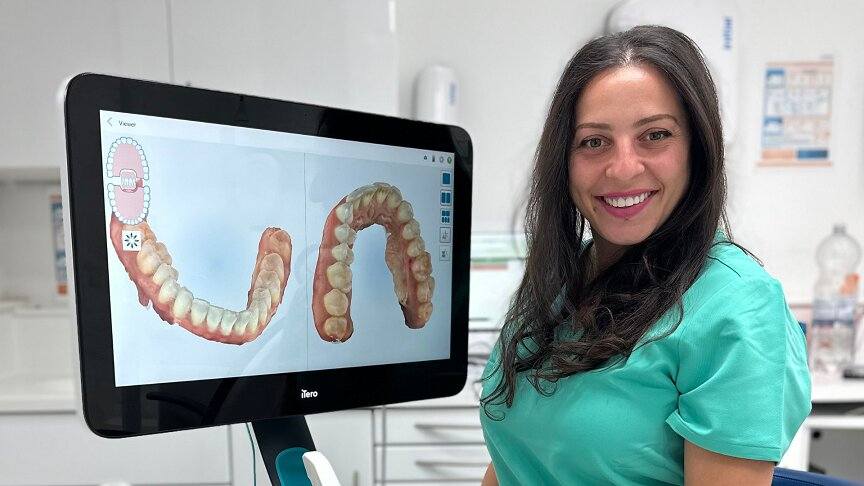
Diagnosis involves a combination of clinical examination, imaging, and pulp tests.
Clinical Examination
Dentists inspect the tooth for visible decay, cracks, and gum swelling. They may also gently tap the tooth to assess pain response and evaluate surrounding tissue.
Radiographs (X-Rays)
X-rays reveal abscesses, bone loss, and the extent of infection inside the tooth. They help determine the severity of the infection and plan treatment accurately.
Pulp Vitality Tests
Special tests determine if the pulp is alive, guiding the dentist on whether root canal therapy or extraction is required.
💡 Accurate diagnosis ensures the right treatment is provided and helps prevent unnecessary procedures.
Treatment Options For Root Canal Infection
Root Canal Therapy
Root canal therapy is the standard treatment for root infections and involves:
- Removing the infected pulp
- Cleaning and disinfecting the canals.
- Sealing the canals with biocompatible material.
Additional points:
- Typically performed under local anaesthesia for comfort.
- May require one to two visits depending on complexity.
- Often followed by a crown to restore strength and prevent fracture
Retreatment
Previously treated teeth can sometimes become reinfected. Retreatment involves removing old filling material, thoroughly cleaning the canals and resealing. This is often successful in saving the tooth without extraction.
Extraction
If the tooth is too damaged, extraction may be necessary. Replacement options include implants, bridges, or partial dentures to restore function and appearance.
Antibiotics
Antibiotics are sometimes prescribed to control infection temporarily, especially if there is swelling or systemic involvement. However, antibiotics alone cannot cure the infection — definitive treatment is always necessary.
Aftercare And Recovery
After treatment, proper care is essential for successful healing:
- Pain management: Over-the-counter or prescribed painkillers may be needed for a few days.
- Oral hygiene: Brush gently around the treated area and maintain overall dental hygiene
- Diet: Avoid very hard, sticky or hot foods immediately following treatment.
- Follow-up visits: Essential to ensure the tooth and surrounding tissue are healing correctly.
💡 Patients who follow these guidelines experience faster recovery and lower risk of reinfection.
Preventing Future Root Canal Infections
Prevention focuses on maintaining healthy teeth and gums:
- Brush at least twice daily with fluoride toothpaste.
- Floss daily to remove plaque between teeth;
- Schedule regular check-ups at Whites Dental in London
- Address cavities, cracks, or gum disease promptly
- Reduce sugary foods and drinks
💡 Preventative care significantly reduces the likelihood of developing infections and helps maintain long-term dental health.
Why Whites Dental In London For Root Canal Therapy?
Whites Dental provides root canal specialists with modern technology and expert care:
Whites Dental Waterloo
172 Blackfriars Rd, London SE1 8ER
📞 020 8616 0590
Whites Dental Marble Arch (W2)
52B Kendal St, St George’s Fields, London W2 2BP
📞 020 3576 2325
Advantages Of Whites Dental:
- Highly experienced endodontists.
- Digital X-rays and advanced microscopes for precision.
- Comfortable, pain-free procedures with anaesthesia and sedation options
- Comprehensive aftercare to ensure optimal recovery
💡 Patients benefit from fast, effective treatment that preserves natural teeth and restores oral health.
Frequently Asked Questions
Can Root Canal Infection Spread To Other Teeth?
Yes, untreated infections can affect adjacent teeth, gums, and bone.
How Long After Infection Should I See A Dentist?
Seek dental attention immediately when experiencing persistent pain, swelling, or sensitivity.
Are Root Canals Painful?
Modern anaesthesia makes the procedure mostly painless, with discomfort often minimal and temporary.
Will I Need To Have A Crown On My Tooth After A Root Canal?
Most treated teeth are fitted with crowns to restore strength and prevent fractures.
Conclusion
Root canal infections are serious but treatable when addressed promptly. Recognizing warning signs like toothache, sensitivity, swelling, and bad taste can prevent complications. Treatments such as root canal therapy, retreatment or extraction are highly effective when administered early. Whites Dental in London, with clinics at Waterloo and Marble Arch, provides expert care with advanced technology, ensuring comfort, precision and long-term dental health. Regular check-ups, good oral hygiene and early intervention are key to preventing future infections and maintaining a healthy smile.