


When a tooth becomes severely decayed, infected or damaged, many patients in London ask: “Is a root canal really worth it?” It’s natural to wonder whether saving the tooth is better than extracting it and moving on. The answer depends on long-term oral health, function, aesthetics and overall well-being.
In this comprehensive guide, we explore why root canal treatment is often the preferred solution, compare it to extraction, discuss costs, recovery and outcomes, and explain how Whites Dental Waterloo (SE1) and Whites Dental Marble Arch (W2) provide timely, modern and pain-free care to patients across London.
💡 Visit our private root canal clinic in London for treatment.
Key Takeaways – Root Canal Is Definitely Worth It!
- Root canal treatment preserves your natural tooth, jawbone and bite, preventing future dental problems.
- Extraction may seem simpler but often requires costly replacements like implants or bridges.
- Modern root canal therapy at Whites Dental is virtually pain-free and highly effective, with success rates above 90%.
- Prompt treatment reduces pain, infection spread and long-term oral health complications.
- Choosing to save your tooth often results in better oral function, aesthetics, and long-term cost savings compared to extraction.
What Is A Root Canal?
A root canal is a dental procedure that removes infected or damaged pulp from the inside of a tooth. The pulp contains nerves, blood vessels, and connective tissue, which can become inflamed or infected due to:
- Deep cavities or untreated decay.
- Trauma or cracks in the tooth
- Repeated dental procedures on the same tooth
The procedure involves:
- Removing infected pulp
- Cleaning and disinfecting the root canals
- Filling the canals with gutta-percha (a rubber-like material)
- Restoring the tooth with a filling or crown
💡 Modern root canal techniques at Whites Dental use digital X-rays and rotary instruments to ensure precision, efficiency and comfort.
Why Consider A Root Canal?

Root canal therapy is designed to save the natural tooth rather than remove it. The benefits include:
Preserving Your Natural Tooth
Keeping your natural tooth maintains your bite, chewing efficiency, and overall oral structure.
Preventing Bone Loss
The tooth root stimulates the jawbone. Removing a tooth without replacement can lead to bone resorption, affecting adjacent teeth and facial structure.
Avoiding Tooth Shifting
Extraction creates a gap, allowing neighbouring teeth to drift and misalign, potentially leading to bite problems or TMJ issues.
Long-Term Cost Savings
Although root canals can be more expensive upfront than a simple extraction, preserving the tooth avoids future costs associated with implants, bridges, or dentures.
Effective Pain Relief
Modern root canal treatment eliminates pain and infection, often in just one or two visits, with minimal discomfort.
Root Canal Vs Extraction: Which Is Better?
| Feature | Root Canal | Extraction |
|---|---|---|
| Preserves natural tooth | Yes | No |
| Maintains jawbone health | Yes | Bone loss can occur |
| Chewing and bite function | Maintained | May require replacement |
| Pain relief | Yes | Yes |
| Long-term cost | Lower | Higher if replacement needed |
| Procedure complexity | Moderate | Simple |
| Recovery | 1–2 days mild discomfort | 1–2 weeks soft tissue healing |
| Aesthetics | Natural tooth preserved | Replacement may be needed |
Benefits Of Choosing Root Canal Treatment
- Natural Tooth Preservation – Keeping your tooth preserves oral structure, chewing efficiency, and appearance.
- Reduced Long-Term Costs – While the initial cost may be higher than extraction, avoiding implants, bridges, or dentures saves money in the long run.
- Pain-Free Procedure – Modern techniques and anaesthesia make the treatment comfortable, often less painful than an extraction.
- High Success Rate – Root canal therapy has a success rate over 90%, especially when followed by proper restoration with a crown.
- Prevents Spread Of Infection – The procedure removes infected tissue, stopping bacteria from spreading to surrounding teeth, gums or jawbone.
Risks Of Not Getting A Root Canal
Delaying or avoiding treatment can lead to:
- Abscess formation: A pocket of pus forms at the tooth root, causing swelling, pain and fever.
- Tooth loss: Infection or structural damage may become irreparable
- Bone deterioration: Loss of the tooth root can lead to jawbone resorption.
- Spread of infection: Rarely, untreated dental infections can affect the bloodstream or sinuses.
💡 Prompt root canal therapy prevents these complications, protecting both oral and overall health.
How Tooth Extraction Compares
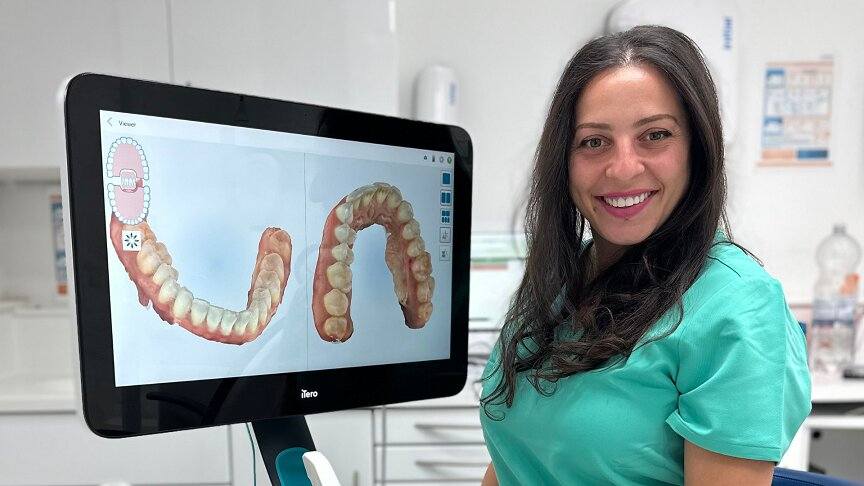
While extraction removes the immediate problem, it comes with consequences:
- Jawbone loss: Without stimulation from a tooth root, bone resorption occurs.
- Shifting teeth: Adjacent teeth may move, affecting bite alignment.
- Aesthetic concerns: Gaps may require cosmetic solutions like implants, bridges, or dentures.
- Higher future costs: Replacing missing teeth involves additional procedures and expense.
💡 Extraction is sometimes necessary, particularly when the tooth is severely damaged, fractured or has failed previous root canal attempts.
Cost Comparison: Root Canal Vs Extraction
| Treatment | Private London Cost | NHS Cost | Replacement Cost |
|---|---|---|---|
| Root Canal (front tooth) | £350–£550 | £70.70 Band 2 | N/A |
| Root Canal (molar) | £650–£950 | £70.70 Band 2 | N/A |
| Extraction (simple) | £100–£250 | £23.80 Band 1 | Implant: £2,000–£3,500 |
| Extraction (surgical) | £250–£450 | £23.80 Band 1 | Bridge: £1,000–£2,500 |
💡 This demonstrates that saving the tooth is often more cost-effective over time than extraction and replacement.
Recovery Time And Aftercare
Root Canal Recovery
- Mild discomfort for 1–2 days is common
- Pain can be managed with over-the-counter analgesics
- Return to normal eating and activities immediately
Extraction Recovery
- Soft tissue healing takes 1–2 weeks
- Bone healing may take months if implant is planned
- Higher risk of dry socket and infection,
💡 Proper aftercare is crucial in both cases, including oral hygiene and follow-up appointments.
Root Canal Success Rates
Modern root canal therapy has a success rate of over 90%. Factors influencing success include:
- Early intervention before abscess formation
- Proper restoration with a crown
- Maintaining good oral hygiene and regular check-ups
💡 At Whites Dental, we use advanced rotary instruments and digital imaging to maximize success of root canal treatment in London.
Is A Root Canal Painful?
A common misconception that exists in the general patient population is that a root canal treatment can be painful. However, in reality:
- Local anaesthesia makes the procedure virtually pain-free
- Most patients report less discomfort than an extraction
- Post-treatment soreness is mild and manageable
💡 Modern techniques at Whites Dental Waterloo and Marble Arch ensure patient comfort throughout the procedure.
Longevity Of A Root Canal
With proper care, a root canal-treated tooth can last 10–20 years or longer. Crowns placed after treatment protect the tooth from fractures and restore full function.
In contrast, extraction without timely replacement can lead to:
- Shifting of remaining teeth;
- Bite misalignment
- Bone deterioration
Insurance And Payment Options
Dental insurance often covers root canal treatment, partially or fully, depending on the plan. Providers in the UK include:
- Bupa
- Denplan
- AXA
- Vitality.
- WPA
- Simplyhealth
Whites Dental also offers:
- Transparent pricing for self-paying patients
- Interest-free finance options
- Flexible treatment plans
💡 This ensures patients can access timely root canal therapy without delays.
NHS Vs Private Root Canal Treatment
NHS
- Band 2 coverage: £70.70
- Limited availability, especially for molars
- Longer waiting times (2–12 weeks in London)
Private
- Costs £350–£950 depending on tooth.
- Access to same-week appointments at Whites Dental.
- Advanced techniques, digital imaging, and rotary instruments
- Full restorative options, including crowns
💡 Private root canal treatment in London is ideal for patients seeking prompt care and long-term tooth preservation.
Frequently Asked Questions
1. Is a root canal worth the cost?
Yes, preserving your natural tooth avoids costly replacements and maintains oral health.
2. How long does a root canal take?
Usually one or two visits of 60–90 minutes each.
3. Will my tooth need a crown afterward?
Most molars require a crown to restore strength and function.
4. Can a tooth be extracted instead?
Yes, but extraction often leads to bone loss, shifting teeth, and higher long-term costs.
5. How soon can I get treatment in London?
At Whites Dental Waterloo and Marble Arch, same-week appointments are often available.
Final Thoughts – Is Root Canal Worth It?
Root canal treatment is worth it for most patients. It preserves your natural tooth, maintains jawbone health, prevents future dental problems, and provides long-term cost savings. Extraction may be necessary in some cases but often leads to additional procedures and higher overall costs.
At Whites Dental, we provide pain-free, modern root canal treatment at both Waterloo (SE1) and Marble Arch (W2) locations, helping patients across London save their teeth and maintain optimal oral health.
Contact Us:
- Whites Dental Waterloo – 020 8616 0590
- Whites Dental Marble Arch – 020 3576 2325