

Hearing the words “you need a root canal” can make many patients anxious. For decades, root canal treatment has been unfairly labelled as a painful procedure. The truth? With modern dental technology and skilled practitioners, root canal treatment today is virtually pain-free — and it’s often the best way to relieve tooth pain, not cause it.
In this complete guide, we’ll debunk the myths surrounding root canal treatment, explain what to really expect, and show how Whites Dental in Waterloo (SE1) and Marble Arch (W2) delivers comfortable, gentle care to help you smile again with confidence.
💡 Visit one of our root canal clinics in London.
Why Root Canals Have A Bad Reputation
Root canal procedures have been undertaken for well over a 100 years. Decades ago, before modern anaesthetics and technology, the treatment could be uncomfortable. Unfortunately, that outdated image still lingers today.
The reality is that modern dentistry has advanced significantly:
- Local anaesthetics ensure you don’t feel pain during treatment.
- Digital imaging and rotary instruments make procedures faster and more precise.
- Skilled dentists can save your tooth with minimal discomfort.
So, if you’ve been putting off root canal treatment because of fear, it’s time to discover the facts.
What Is Root Canal Treatment?
A root canal (also called endodontic treatment) is a dental procedure that removes infected or inflamed tissue from inside a tooth. The infection occurs in the tooth’s pulp — the soft inner layer that contains nerves and blood vessels.
The goal is to:
- Remove the infection.
- Disinfect and clean the root canal
- Seal the space to prevent further infection
💡 Far from being a painful ordeal, root canal treatment stops the pain caused by infection and saves your natural tooth from extraction.
What Causes Tooth Pain That Needs A Root Canal?
Tooth pain usually occurs when bacteria enter the pulp and cause infection. Common causes include:
- Deep decay or untreated cavities
- Cracked or broken teeth
- Failed fillings or crowns
- Trauma to the tooth
When infection develops, the tooth’s nerve becomes inflamed, leading to severe pain, sensitivity or swelling. A root canal removes this infected tissue — eliminating the source of discomfort.
How Painful Is A Root Canal?

Let’s set the record straight:
During the treatment
A root canal should not be painful. During the procedure, your dentist will numb the tooth completely using local anaesthetic. You might feel pressure or vibration, but no pain. Most patients describe the experience as similar to getting a filling.
After the treatment
It’s normal to feel mild tenderness or sensitivity for a few days as the area heals — but this is easily managed with over-the-counter pain relief and usually subsides quickly.
Myths Vs Facts About Root Canal Treatment
Let’s debunk the most common myths that still cause unnecessary fear.
| Myth | Fact |
|---|---|
| “Root canals are excruciatingly painful.” | Modern techniques make root canal treatments virtually pain-free. |
| “It’s better to pull the tooth.” | Saving your natural tooth helps maintain chewing ability and jaw structure — extraction should be the last resort. |
| “Root canals cause illness.” | This myth is based on outdated research. Root canals are safe, regulated, and routinely performed worldwide. |
| “You’ll need multiple long appointments.” | Many treatments are completed in one or two visits with advanced tools. |
| “Root canals don’t last.” | With good care, treated teeth can last 10–20 years or longer. |
💡 At Whites Dental, we combine gentle dentistry with precision equipment to make root canal treatment as comfortable as possible from start to finish.
Step-By-Step: What Happens During A Root Canal
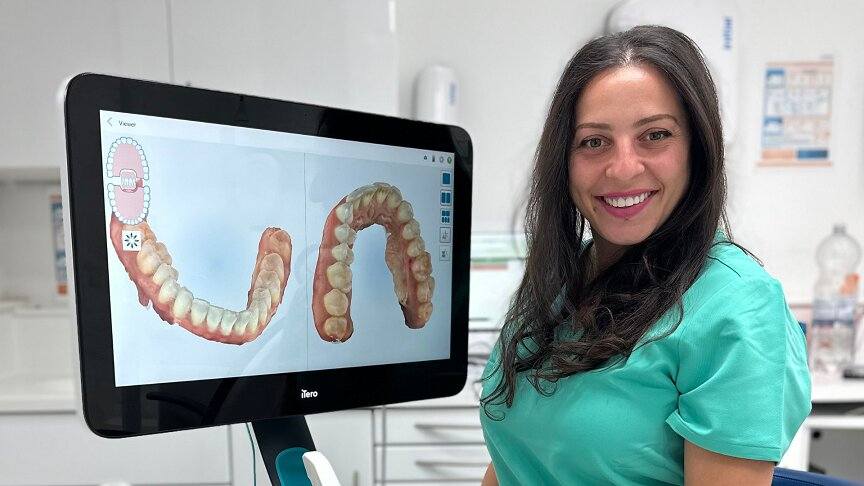
Understanding the process can ease anxiety and help you feel more in control.
Step 1: Diagnosis
Your dentist takes digital X-rays to assess the extent of infection and explains your treatment options clearly.
Step 2: Anaesthesia
The tooth and surrounding gum are numbed completely — ensuring zero pain during the procedure.
Step 3: Cleaning The Canals
A small opening is made to access the infected pulp. Using rotary instruments and disinfectant solutions, your dentist removes bacteria and debris.
Step 4: Filling The Canals
The cleaned canals are filled with a biocompatible material (gutta-percha) and sealed to prevent reinfection.
Step 5: Restoration
To protect the tooth long-term, a dental crown may be fitted to restore strength and natural appearance.
💡 The entire procedure typically takes 60–90 minutes, depending on the tooth.
What Does Root Canal Pain Feel Like?
It’s important to distinguish between pain before, during and after treatment:
Before The Root Canal
Pain is caused by the infection inside the tooth — often severe, throbbing and persistent.
During The Procedure
Modern anaesthetic ensures you feel no pain, only slight pressure or vibration.
After Treatment
Mild tenderness is common for a few days and easily managed with pain relief. Compared to the infection pain beforehand, most patients feel immediate relief.
Tips To Make Your Root Canal Experience Pain-Free
At Whites Dental, patient comfort is our top priority. Here’s how we make sure your experience is smooth:
- Effective anaesthesia: We never begin until the tooth is fully numb.
- Calm environment: Gentle care in a relaxed, supportive setting.
- Modern technology: Rotary tools and digital imaging ensure precision.
- Experienced dentists: Skilled professionals with a gentle touch.
- Flexible appointments: Fast access to relieve pain quickly.
💡 If you’re nervous about dental treatments, we can also discuss sedation options for extra reassurance.
The Real Source Of Pain: Tooth Infection, Not Treatment
It’s crucial to understand that pain comes from the infection, not the root canal procedure itself.
Without treatment, infection can spread to nearby teeth and jawbone, causing:
- Severe toothache and swelling
- Abscess formation
- Bone damage around the tooth root
- Potential tooth loss
Root canal treatment stops this infection, relieving pain and saving your natural tooth.

The Cost Of Root Canal Treatment
The cost varies depending on the tooth, complexity and whether treatment is NHS or is a private root canal.
NHS Root Canal Cost (2026)
- Band 2 charge: £70.70
- Includes examination, X-rays, and treatment.
- May not cover complex molar cases.
Private Root Canal Cost (Typical London Prices)
- Front tooth: £350 – £650
- Premolar: £450 – £750
- Molar: £550 – £950
- Re-treatment: £650 – £1,200
💡 At Whites Dental, we provide transparent pricing, expert care and same-week appointments — ensuring value and comfort. Our private dentist fees are surprisingly good value for money.
NHS Vs Private Root Canal
| Feature | NHS | Private |
|---|---|---|
| Cost | £70.70 | £350–£950 |
| Waiting Times | Weeks | Often same week |
| Complexity | Simple cases | All cases including molars |
| Equipment | Standard | Advanced rotary tools & imaging |
| Comfort | Basic | Sedation & personalised care |
| Longevity | Good | Excellent |
💡 Patients often choose a private dentist in London for root canal care for speed, precision and comfort — especially in busy areas like Central London.
Pain Free Root Canal Treatment At Whites Dental
At Whites Dental, our root canal specialist is proud to offer high-quality root canal care in two convenient Central London locations:
Whites Dental Waterloo
📍 172 Blackfriars Rd, London SE1 8ER
📞 020 8616 0590
Whites Dental Marble Arch (W2)
📍 52B Kendal St, St George’s Fields, London W2 2BP
📞 020 3576 2325
Our practices are close to South Bank, Westminster, London Bridge, Marylebone, Paddington and Mayfair — perfect for residents and professionals seeking expert care without the long wait.
Why Patients Choose Us:
- Latest dental technology
- Gentle, experienced clinicians.
- Fast emergency access
- Easy transport links in Central London
How To Reduce Anxiety About Root Canal Treatment
Dental anxiety is common — but manageable. Here are ways to ease nerves before your appointment:
- Bring headphones and calming music.
- Discuss concerns with your dentist
- Practice slow breathing before and during treatment
- Choose an experienced, understanding dental team (like ours!)
Our dentists at Whites Dental are trained to help nervous patients feel at ease and confident throughout every stage of treatment.
Aftercare: What To Expect After A Root Canal
After treatment, your dentist may recommend:
- Brushing and flossing gently
- Avoiding hard or chewy foods for a few days
- Taking mild pain relief if needed.
- Returning for crown placement if required
💡 Healing is usually complete within a week and your tooth will function normally — free from pain and infection.
Frequently Asked Questions
1. Do root canals hurt more than fillings?
No — both procedures are performed under anaesthetic and are virtually pain-free.
2. How long does a root canal last?
With proper care, a treated tooth can last 10–20 years or more.
3. Will I need a crown after a root canal?
Most molars do — a crown adds strength and protects against fracture.
4. Can I go back to work the same day?
Yes, most patients return to work immediately after treatment.
5. What happens if I delay a root canal?
The infection can spread, causing more pain and potentially leading to tooth loss.
Final Thoughts – The Truth About Root Canal Pain
The idea that root canal treatment is painful is a myth. With advanced technology, modern anaesthetics, and expert care, it’s a straightforward, pain-free procedure that relieves pain rather than causes it.
At Whites Dental, we specialise in gentle, precise root canal treatments at our Waterloo (SE1) and Marble Arch (W2) clinics — helping patients across Central London preserve their smiles and their confidence.
📞 Book your consultation today:
- Waterloo: 020 8616 0590
- Marble Arch: 020 3576 2325