


When patients compare composite bonding and porcelain veneers, the first question is often simple: which one is cheaper?
Composite bonding usually costs less upfront, but long-term affordability depends on more than day-one price. Repairs, maintenance, replacement costs, treatment lifespan and future flexibility all affect which option gives better value over time.
🔑 Key Takeaways:
- Composite bonding is usually more affordable to maintain and repair over time.
- Porcelain veneers cost more upfront and are more expensive to replace if damaged.
- Bonding offers flexibility – veneers are a permanent commitment.
- The more your smile is likely to change, the more composite bonding tends to make financial sense.
💡 Quick Answer: Composite bonding is usually more affordable than porcelain veneers long-term because it’s easier and cheaper to maintain, repair, and adjust – whereas veneers often require full replacement if damaged.
🧭 Jump to:
Upfront Cost Vs Lifetime Cost: Composite Bonding Compared To Porcelain Veneers
Porcelain veneers are usually positioned as a premium, long-lasting solution – and their pricing reflects that. The initial investment is higher, and once placed, veneers are considered a permanent restoration.
Composite bonding, by contrast, has a lower entry cost and is designed to be adaptable. While teeth bonding may not last as long as porcelain in one uninterrupted run, the total cost over a decade is often lower because adjustments are simpler and less expensive.
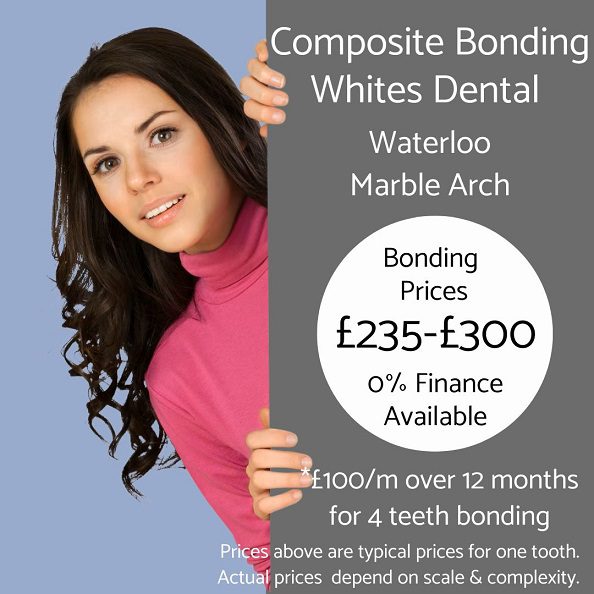
Because composite bonding costs are usually calculated per tooth and adjusted based on complexity, understanding the starting price helps put long-term affordability into context. You can see typical figures and what influences them in our composite bonding cost guide.
If you want a clear sense of initial pricing differences, you can explore porcelain veneers separately. The key difference here is how those costs behave over time.
Maintenance, Repairs And Ongoing Costs: Composite Bonding Vs Veneers
No cosmetic dental treatment is maintenance-free. Teeth are exposed to daily wear from eating, drinking, grinding, and natural ageing.
Composite bonding is relatively forgiving. Small chips, edge wear, or staining can often be corrected in the dental chair without removing the entire restoration.
Porcelain veneers, while durable, are less flexible than bonding. If a veneer chips, cracks or no longer fits the smile properly, repair options may be limited and replacement may be needed.
Lifestyle factors that influence long-term cost
Everyday habits can significantly affect how often cosmetic work needs repair or replacement.
- Teeth grinding can increase chipping risk
- High coffee or red wine intake can accelerate staining
- Uneven bite forces can concentrate wear on specific teeth
Because composite bonding is easier to adjust or repair, these factors tend to increase veneer replacement costs more dramatically over time.
Replacement Risk & Irreversibility
One of the biggest long-term cost differences lies in reversibility.
Composite bonding is additive. It can usually be adjusted, refreshed, or removed with minimal impact on the natural tooth. This keeps future options open and limits financial risk.
Porcelain veneers require enamel reduction. Once a veneer needs replacing, you’re committed to another veneer – often at a similar cost to the original treatment.
For patients who expect their smile to change over time, or who want flexibility, this distinction matters financially as well as clinically.
How age-related changes affect long-term value
Teeth and gums naturally change over time. Minor recession, wear, or shifting can alter how cosmetic restorations fit and look.
Composite bonding can usually be adjusted alongside these changes. Veneers often cannot, which is why age and future flexibility play a role in long-term affordability.
Composite Bonding Vs Porcelain Veneers – Long-Term Cost Comparison
This comparison focuses on lifetime ownership rather than day-one pricing.
| Factor | Composite Bonding | Porcelain Veneers |
|---|---|---|
| Upfront Cost | Lower | Higher |
| Repair Cost | Low | High or replacement only |
| Flexibility Over Time | High | Low |
| Replacement Risk | Lower | Higher long-term |
What this comparison shows is that long-term affordability isn’t driven by durability alone. While porcelain veneers can last longer in a single form, the cost impact comes from what happens when change or damage occurs.
Composite bonding treatment tends to spread cost more evenly over time. Smaller repairs, refinements, or refreshes are usually simpler and less expensive than full veneer replacement – which is why bonding often works out more affordable across a decade, not just at the start.
So Which Is More Affordable Long-Term?
Composite bonding tends to be more affordable long-term for patients who:
- Want flexibility
- Expect natural changes with age
- Prefer conservative treatment
- Value lower repair and adjustment costs
Porcelain veneers may still make sense for patients seeking a fixed, high-end result with minimal aesthetic change over many years – but that stability comes with higher long-term financial commitment.
What happens if something goes wrong?
Long-term affordability is also shaped by how each treatment behaves when plans change unexpectedly.
- Accidental damage: Bonding can often be repaired the same day, whereas veneers usually require full replacement.
- Aesthetic changes: If you later want whitening, reshaping or orthodontic treatment, composite bonding is usually easier to adapt.
- Clinical reassessment: Changes in bite or gum position may require veneer replacement, while bonding can often be modified conservatively.
These scenarios don’t happen to everyone, but when they do, the financial difference between repair and replacement becomes significant.
Composite Bonding Vs Veneers Cost FAQs
Many patients compare composite bonding and porcelain veneers because both can improve tooth shape, colour and smile appearance. The main difference is how much each treatment costs upfront, how it is maintained, and what happens if repairs or replacements are needed later.
Is Composite Bonding Cheaper Than Veneers?
Composite bonding is usually cheaper than porcelain veneers upfront. It is also generally easier to repair or adjust, which can make it more affordable for patients who want a conservative cosmetic option.
Are Veneers More Expensive Than Composite Bonding Long-Term?
Porcelain veneers often cost more upfront and can be more expensive to replace if damaged. However, they may last longer than bonding when well planned and maintained, so the best value depends on your teeth, goals and budget.
Which Lasts Longer, Composite Bonding Or Porcelain Veneers?
Porcelain veneers usually last longer than composite bonding, but bonding is simpler to repair, refresh or adjust over time. This is why lifespan alone does not always decide which treatment is better value.
Should I Choose Composite Bonding Or Veneers?
Composite bonding may suit patients who want a lower-cost, minimally invasive and flexible option. Veneers may suit patients who want a more permanent porcelain restoration and are comfortable with the higher upfront and replacement cost.
Not Sure Whether Composite Bonding Or Veneers Offer Better Value?
The most cost-effective treatment is the one that solves your problem properly without creating future expense.
At Whites Dental, our clinicians assess not just appearance, but longevity, flexibility and lifetime cost before recommending composite bonding in London.
📍 Visit our Central London clinics:
- Waterloo – near Southwark & Blackfriars
- Marble Arch – close to Paddington & Edgware Road
💬 Your consultation includes:
- Long-term cost considerations
- Honest advice on bonding vs veneers
- No pressure or unnecessary treatment
- A plan tailored to your goals and budget
- ✅ Conservative cosmetic dentistry
- ✅ Central London locations
- ✅ 0% finance options available
If you want clarity on long-term cost – not just upfront price – we’re here to help.
Author

Dr Deepa Chopra
Principal Dentist & Clinic Founder
GDC registration number: 124489
Membership of the Faculty of Dental Surgery from the Royal College of Surgeons of Edinburgh
Membership of the British Dental Association
Restorative Dentistry from Tipton
Align Invisalign profile
LinkedIn profile
Areas of Expertise: 20+ Years Dentistry Experience. General Dentistry, Cosmetic Dentistry, Restorative Dentistry, Invisalign, Composite Bonding, Veneers, Root Canals, Crowns, Dentures, Gum Disease, Hygienist Services, Emergency Dental Services & Teeth Whitening.