


Periodontal disease, commonly known as gum disease, is one of the leading causes of adult tooth loss. It affects the gums, connective tissue, and bone that support teeth, gradually compromising their stability. Many patients are concerned about the future of their teeth once diagnosed with gum disease. The good news is that, with timely intervention, consistent care, and professional guidance, it is often possible to keep your natural teeth for decades.
At Whites Dental, our experienced team of dental hygienists and periodontists in London provides comprehensive care to help patients manage gum disease and maintain healthy teeth. Whether you are a patient at Whites Dental Waterloo (SE1) or Whites Dental Marble Arch (W2), we create personalised treatment plans to address your unique needs and preserve your smile.
Key Takeaway
- Early Detection Is Critical: Identifying gum disease in its initial stages dramatically increases the likelihood of tooth retention.
- Hygienist Care Prevents Progression: Routine cleanings and monitoring prevent mild gum inflammation from becoming severe.
- Periodontist Intervention Preserves Teeth: Advanced cases benefit from specialist treatments, including deep cleaning and surgery.
- Oral Hygiene And Lifestyle Choices Matter: Daily brushing, flossing, diet, and smoking cessation influence long-term outcomes.
- Regular Maintenance Is Essential: Scheduled follow-ups prevent recurrence and ensure ongoing gum health.
💡 Whites Dental offers a full range of treatments for periodontal disease at both our London clinics – providing preventive, non-surgical and surgical treatment tailored to each patient.
Understanding Periodontal Disease
Periodontal disease is a progressive inflammatory condition affecting the gums and supporting structures of teeth. It begins with plaque accumulation, a sticky film of bacteria on teeth, which irritates the gums. If plaque is not removed, it hardens into tartar, further irritating gum tissue and allowing bacteria to penetrate deeper.
The disease typically starts as gingivitis, the mildest form, characterised by red, swollen gums that may bleed during brushing or flossing. Gingivitis is reversible with proper care, including professional cleaning and improved oral hygiene.
If it is left untreated, gingivitis (the early form of gum disease), can often progress to it’s more severe form – periodontitis. Periodontitis causes the destruction of the bone and connective tissue that hold teeth in place. This can lead to tooth mobility, gum recession and eventual tooth loss.
The speed and severity of disease progression vary depending on multiple factors:
- Genetics: Some people are more susceptible to gum disease due to hereditary factors.
- Oral hygiene habits: Inconsistent brushing and flossing increase risk.
- Lifestyle: Smoking, poor diet, and stress accelerate gum tissue damage.
- Medical conditions: Diabetes and immune system disorders can worsen outcomes.
Understanding these factors helps patients take proactive steps to maintain their teeth.
Symptoms Of Periodontal Disease
Recognising early symptoms is crucial to preserve teeth. Common signs include:
- Bleeding Gums: Often noticeable when brushing or flossing, indicating bacterial inflammation.
- Gum Recession: Exposure of tooth roots, increasing sensitivity and vulnerability to decay.
- Deep Periodontal Pockets: Spaces between teeth and gums where bacteria thrive.
- Loose Teeth: Signs of weakening bone and ligament support.
- Persistent Bad Breath: A result of bacterial activity and tissue breakdown.
💡 Patients experiencing any of these symptoms should seek professional advice promptly to prevent irreversible damage.
Factors That Affect How Long Teeth Can Last

Several key factors influence the prognosis of teeth affected by periodontal disease:
Severity Of Disease
- Mild Gingivitis: Easily reversed with professional cleaning and proper oral hygiene.
- Moderate Periodontitis: Requires non-surgical deep cleaning, such as scaling and root planing, to remove plaque and tartar from below the gum line.
- Severe Periodontitis: Often necessitates surgical intervention, including flap surgery, bone grafts or gum grafts, to restore structural support and prevent tooth loss.
Early treatment is always the best predictor of long-term tooth retention.
Oral Hygiene And Daily Habits
- Brushing at least twice daily with fluoride toothpaste prevents plaque buildup.
- Flossing or using interdental brushes removes debris in areas unreachable by a toothbrush.
- Using antimicrobial mouth rinses can reduce bacterial activity.
- Avoiding smoking and managing conditions like diabetes supports gum tissue health.
- Maintaining a balanced diet rich in vitamins C and D strengthens gums and bone.
Consistent home care complements professional treatment and is vital for keeping teeth functional over decades.
Regular Professional Care
- Dental Hygienist Visits: Remove plaque and tartar, monitor gum health, and provide preventive education
- Periodontist Visits: Diagnose and treat moderate to severe disease, perform advanced interventions, and develop long-term maintenance plans.
- Follow-Up Frequency: Typically every 3–6 months depending on disease severity and treatment history.
💡 Regular professional care combined with good home habits significantly increases the likelihood of preserving teeth.
The Role Of Dental Hygienists In Preserving Teeth
Dental hygienists play a critical role in preventing disease progression and maintaining teeth. They are specially trained to detect early signs of gum problems and provide preventive treatments.
Responsibilities Of A Hygienist
- Routine Cleaning: Polishing teeth and removing plaque and tartar to prevent gum inflammation.
- Preventive Education: Teaching effective brushing, flossing, and interdental cleaning techniques.
- Fluoride Treatments: Strengthen enamel to protect against decay.
- Monitoring Gum Health: Identifying early warning signs and referring patients to a periodontist when necessary.
Benefits Of Regular Hygienist Care
- Maintains gum and bone health, reducing the risk of tooth loss.
- Detects issues early, avoiding the need for complex surgical interventions
- Supports patients in following proper home hygiene routines.
- Provides reassurance and professional guidance for maintaining oral health long-term.
💡 Patients with early-stage disease or history of gum problems should see a hygienist regularly to maximise tooth longevity.
The Role Of Periodontists In Preserving Teeth
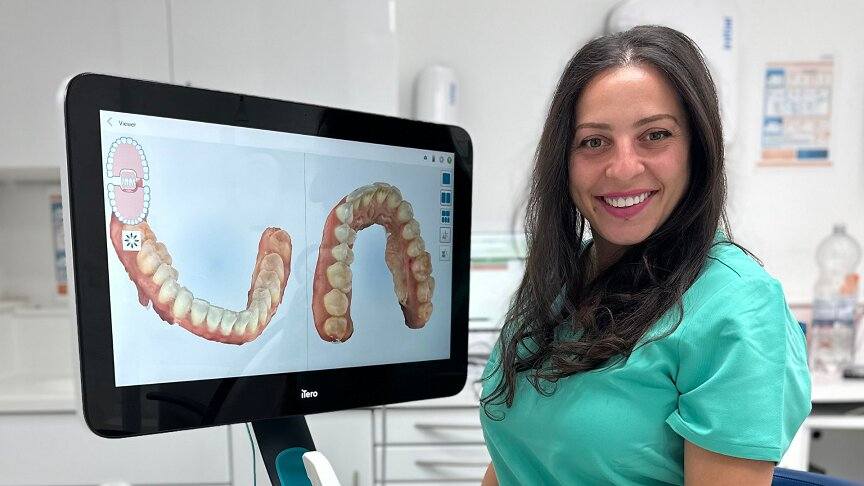
Periodontists specialise in treatment of moderate to severe gum disease. They offer both non-surgical and surgical interventions aimed at stopping disease progression and restoring gum and bone health.
Treatments Offered By Periodontists
- Scaling and Root Planing: Deep cleaning below the gum line to remove bacteria and prevent pocket formation.
- Flap Surgery: Removes infected tissue, reduces pocket depth and allows for better cleaning access.
- Bone Grafting: Rebuilds bone lost to periodontal disease, supporting tooth stability.
- Gum Grafting: Restores receded gums, protecting exposed roots and improving aesthetics.
- Laser Therapy: Targets bacteria with precision, reducing inflammation and infection.
- Dental Implant Support: Assists patients who have lost teeth due to disease with replacement options.
Benefits Of Periodontist Care
- Stops disease progression in advanced cases.
- Restores structural support to teeth affected by bone loss.
- Reduces the risk of tooth loss and improves oral function.
- Creates tailored maintenance plans for long-term results.
💡 Patients with deep periodontal pockets, loose teeth or persistent gum issues greatly benefit from specialist care to preserve their natural teeth.
Signs You Should See A Periodontist
Patients should consult a periodontist if they experience:
- Persistent gum bleeding despite routine hygiene visits
- Gum recession exposing sensitive tooth roots.
- Deep periodontal pockets or bone loss observed during exams.
- Loose or shifting teeth.
- Recurrent gum disease that does not respond to hygienist care.
💡 Early referral to a periodontist often prevents more invasive procedures and maximises tooth retention.
Tooth Retention Statistics With Proper Care
Research and clinical experience indicate:
- Mild Gum Disease: Over 90% of teeth preserved with proper hygiene and professional care.
- Moderate Disease: 70–85% retention with combined hygienist and periodontist interventions.
- Severe Disease: 50–70% retention possible with surgical interventions and ongoing maintenance.
💡 These figures demonstrate that, even in severe cases, teeth can often be preserved for many years when treated appropriately.
Maintenance And Follow-Up Care
Long-term success in preserving teeth depends on a structured maintenance programme.
- Hygienist Visits: Every 3–4 months to remove plaque and tartar, monitor gum health, and reinforce hygiene practices.
- Periodontist Check-Ups: Every 4–6 months for patients with history of moderate to severe disease.
- Home Care: Brushing twice daily, flossing, and using antimicrobial rinses
- Lifestyle Management: Smoking cessation, balanced diet, and chronic disease control.
💡 Regular maintenance not only prevents disease recurrence but also ensures teeth remain functional and healthy for decades.
How Whites Dental Can Help With Periodontal Care In London
At Whites Dental, we provide comprehensive periodontal care tailored to each patient’s needs. Our team of hygienists and periodontists work collaboratively to preserve natural teeth, prevent disease progression, and restore oral health.
Services Offered
- Preventive cleaning and hygiene education by dental hygienists.
- Advanced non-surgical treatments, including scaling and root planing
- Surgical interventions such as flap surgery, bone grafting and gum grafting.
- Long-term maintenance plans to ensure teeth and gums remain healthy.
Our Locations
Whites Dental Waterloo (SE1)
172 Blackfriars Road, London SE1 8ER
📞 020 8616 0590
Whites Dental Marble Arch (W2)
52B Kendal Street, St George’s Fields, London W2 2BP
📞 020 3576 2325
💡 Both clinics provide a patient-friendly environment, modern facilities, and experienced professionals to maximise tooth retention and overall oral health.
FAQs
Q: Can I keep my teeth if I have severe gum disease?
A: Yes, with early intervention, specialist treatment, and ongoing maintenance, teeth can often be preserved for decades.
Q: How often should I see a periodontist?
A: Typically every 3–6 months for active disease, or longer intervals once gums are stable.
Q: Does home care affect outcomes?
A: Absolutely. Daily brushing, flossing, and antimicrobial rinses significantly impact long-term tooth retention.
Q: Can lifestyle changes help?
A: Yes. Avoiding smoking, managing chronic conditions, and maintaining a nutritious diet support gum and bone health.
Summary
- Early detection and treatment are essential for preserving teeth with periodontal disease.
- Hygienists manage prevention, routine cleaning, and early detection.
- Periodontists handle moderate to severe disease, offering advanced interventions to maintain tooth stability.
- Consistent home care, lifestyle management, and regular professional maintenance dramatically improve outcomes.
- Even severe periodontal disease can often be managed to retain teeth for decades.
💡 With proactive treatment, collaboration between professionals and patient commitment, keeping your teeth despite periodontal disease is entirely achievable.