


One of the biggest misconceptions about composite bonding is that it’s applied like a coating or moulded from a template. In reality, high-quality bonding is shaped entirely by hand, tooth by tooth.
This is what separates natural-looking results from composite bonding that looks bulky, flat, or artificial. The materials matter – but it’s the dentist’s hands, judgement, and finishing technique that ultimately determine how seamless the result looks and how well it ages.
🔑 Key Takeaways:
- Composite bonding is shaped and refined entirely by hand.
- Each tooth is built in layers, not applied in one step.
- Subtle shaping determines whether bonding looks natural or artificial.
- Hand-finishing affects longevity, shine, and stain resistance.
💡 Quick Answer: Dentists shape composite bonding by hand by layering, contouring and polishing resin directly on the tooth. This controls the final tooth shape, edge thickness, surface texture and light reflection, helping avoid bulky or artificial-looking bonding.
🧭 Jump to:
Why Composite Bonding Is Shaped By Hand
Unlike veneers or crowns, composite bonding is not manufactured in a lab. The material is applied directly to the tooth in a soft state and shaped manually before it’s hardened.
This gives the dentist complete control over:
- Tooth width and length
- Edge shape and symmetry
- How composite bonding blends into natural enamel
There’s no mould that guarantees a good result – the outcome depends on the dentist’s judgement at every stage.
How Dentists Choose The Right Tooth Shape
Tooth shape is planned around the patient’s natural teeth, smile line, face shape and bite.
The aim is usually to improve proportion without making every tooth look identical. Small differences in edge shape, width, length and curvature help composite bonding look more natural.
How Dentists Build And Layer Composite Bonding
High-quality dental bonding is built up gradually using multiple layers of composite, each placed and shaped before being cured.
This layering allows dentists to:
- Replicate the depth and translucency of natural teeth
- Avoid flat or opaque-looking results
- Control shade transitions between bonding and enamel
Rushing this step or using a single thick layer often leads to bonding that looks obvious or ages poorly.
Layering also allows dentists to manage how light passes through the composite bonding. Natural teeth aren’t a single solid colour – they have subtle translucency, particularly near the edges.
By building composite bonding in thin layers, dentists can mimic this effect more accurately, helping the restoration blend with surrounding teeth rather than standing out.
Finishing And Polishing: Where Results Are Won Or Lost
Once the shape is created, the composite bonding is refined using fine instruments and polishing systems. This stage determines how the surface reflects light and resists staining.
A properly finished surface:
- Feels smooth to the tongue
- Reflects light like natural enamel
- Stains far less over time
This is why patients sometimes notice big differences between clinics when comparing composite bonding before and after results.
Surface texture plays a major role in how composite bonding wears over time. Rough or poorly finished surfaces are more likely to attract plaque and staining, making bonding appear dull sooner.
Careful finishing helps slow this process, which is why well-shaped composite bonding often maintains its appearance for longer between maintenance appointments.
Some clinics describe composite bonding as a quick cosmetic coating. In reality, there’s no pre-made shape that guarantees a natural result – and rushed shaping often leads to bonding that looks bulky, artificial, or ages poorly, even when good materials are used.
Why Composite Bonding Can Look Bulky
Composite bonding can look bulky when too much material is added, the edges are not thinned properly, or the tooth shape is not refined enough during finishing.
Good shaping is not just about adding composite. It is also about knowing where to reduce, taper and polish the material so the tooth still looks balanced in the smile.
Bulky composite bonding may:
- Feel thick against the lips or tongue
- Look too rounded or flat from the front
- Make teeth appear wider than intended
- Create edges that catch stain or plaque more easily
In many cases, bulky bonding can be reviewed and refined rather than fully replaced, depending on how much material is present and how it was placed.
Why Dentist Skill Makes Such A Big Difference With Composite Bonding Results
Two dentists can use the same materials and produce very different outcomes.
The difference lies in:
| Factor | Why It Matters | Impact on Results |
|---|---|---|
| Hand control | Precise shaping avoids bulk and uneven edges | More natural tooth proportions |
| Aesthetic judgement | Knowing how teeth should look in context | Balanced, symmetrical smile |
| Finishing technique | Surface texture affects shine and staining | Bonding that ages better |
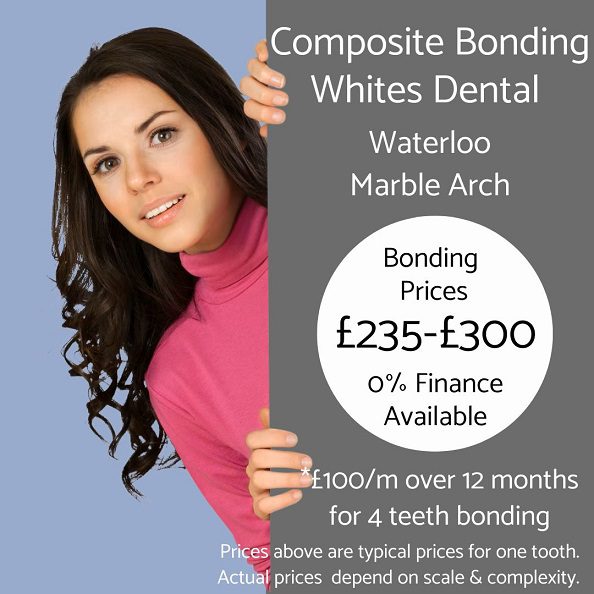
This level of craftsmanship is a key reason composite bonding costs can vary between clinics.
FAQs About Hand-Shaped Composite Bonding
Because teeth composite bonding is shaped entirely by hand, patients often have practical questions about how this affects results, time and cost. These are some of the most common things people ask before choosing a clinic.
Is hand-shaped composite bonding better than using moulds or templates?
Yes. Hand shaping allows the dentist to tailor each tooth individually, rather than forcing teeth into a pre-set shape. This is what creates natural contours, correct proportions, and a result that blends seamlessly with surrounding enamel.
Does hand-shaped composite bonding take longer?
It can take slightly longer than rushed or template-based bonding, because each layer is carefully shaped and refined. That extra time is what prevents bulky edges, flat surfaces, and premature staining.
Can hand-shaped composite bonding be adjusted later?
Yes. One of the advantages of composite bonding is that it can be refined, polished, or selectively repaired over time. This makes it a flexible option when small aesthetic changes are needed.
Is hand-shaped composite bonding more expensive?
Costs can vary because hand-shaped composite bonding relies heavily on the dentist’s skill, time, and finishing technique. Clinics that invest more time into shaping and polishing often charge more, which is reflected in long-term appearance and durability.
Does hand-shaped composite bonding reduce the risk of future repairs?
Often, yes. Careful shaping and finishing reduce stress points, sharp edges and uneven thickness, which can all contribute to chipping or premature wear.
While no dental bonding lasts forever, well-shaped restorations tend to need fewer touch-ups over time.
Is hand-shaped bonding more natural-looking in photos?
Yes. Hand-shaped bonding allows dentists to control surface texture and light reflection, which affects how teeth look in photos and under strong lighting.
Does hand shaping reduce the risk of bulky or uneven bonding?
Yes. Bulkiness is usually the result of rushed shaping or poor contour control.
Hand shaping allows the dentist to refine edges, transitions, and thickness gradually, reducing the risk of bonding that feels heavy or looks artificial.
This is why well-finished bonding tends to photograph more like natural enamel rather than appearing flat or overly bright.
Why Does Composite Bonding Look Bulky?
Composite bonding can look bulky if too much material is added, the edges are not thinned enough, or the final shape is not refined carefully. In some cases, it can be adjusted and polished rather than fully replaced.
Can Composite Bonding Change Tooth Shape?
Yes. Composite bonding can change tooth shape by adding resin to improve edges, symmetry, width, length or small gaps. The final shape is created by hand and refined directly on the tooth.
Can Composite Bonding Be Reshaped If I Don’t Like The Shape?
Often, yes. Composite bonding can usually be adjusted, polished or reshaped if the issue is minor. More significant shape changes may need repair or replacement.
What Tooth Shapes Can Composite Bonding Create?
Composite bonding can create softer, rounder, squarer or more symmetrical tooth shapes depending on the patient’s natural teeth and goals. The best result is usually one that improves balance without looking overly uniform.
Thinking About Composite Bonding?
If you’re considering composite bonding in London, it’s worth understanding that the final result isn’t just about the material – it’s about the dentist shaping it.
At Whites Dental, our cosmetic dentists in Central London take time to hand-shape, refine and finish each tooth with long-term appearance in mind.
If you are worried about bonding looking bulky, flat or too obvious, a consultation can help you understand what shape, finish and level of refinement may suit your smile.
📅 Book your free consultation or explore our composite bonding before and after results.
Author

Dr Deepa Chopra
Principal Dentist & Clinic Founder
GDC registration number: 124489
Membership of the Faculty of Dental Surgery from the Royal College of Surgeons of Edinburgh
Membership of the British Dental Association
Restorative Dentistry from Tipton
Align Invisalign profile
LinkedIn profile
Areas of Expertise: 20+ Years Dentistry Experience. General Dentistry, Cosmetic Dentistry, Restorative Dentistry, Invisalign, Composite Bonding, Veneers, Root Canals, Crowns, Dentures, Gum Disease, Hygienist Services, Emergency Dental Services & Teeth Whitening.